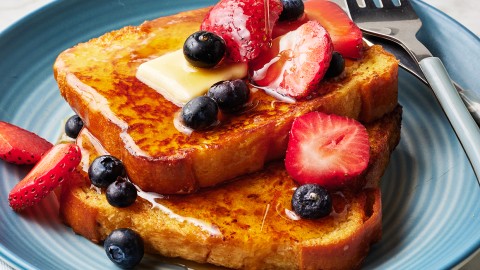
My life is a house of carbs. I love them all and I don’t plan on stopping, but sometimes when my precious breads and cakes go stale or boring, I try to give them a second life—not just to reduce waste, but because it gives me an excuse to make French toast.
This familiar but versatile breakfast dish is sweet, custardy, and satisfying, and it works best with stale bread. Most types of stale bread, that is. To choose the best bread, cake, or pastry to turn into French toast—oh yes, this meal goes way beyond just bread—you need to ask yourself a few questions about crumb, crust, and structure.
In this guide, we’ll explore exactly how to pick the right loaf (or pastry) for the job, why certain breads perform better than others, and which ones you should avoid. Along the way, we’ll dive into enriched loaves, rustic breads, cakes, and even unconventional carb choices that will surprise you.
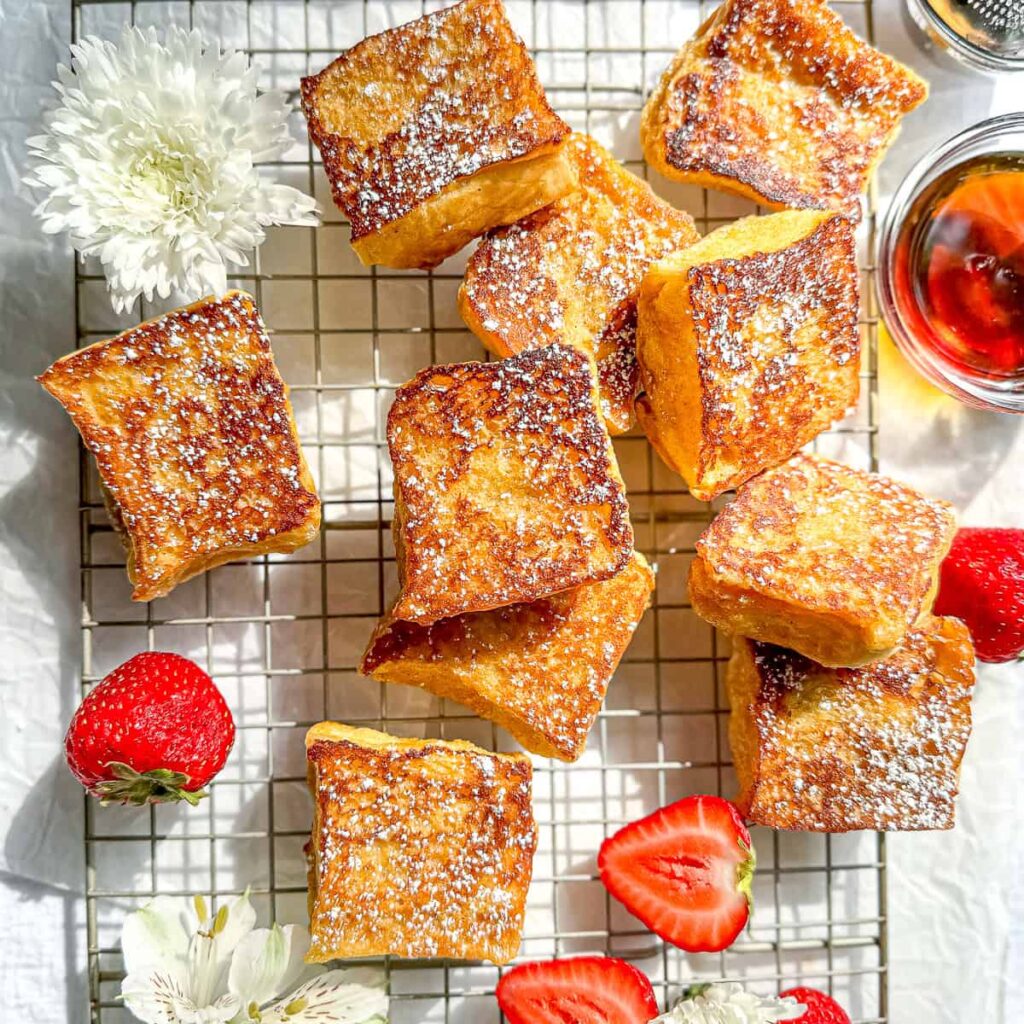
How to Choose a Good French Toast Bread
The first step in making unforgettable French toast is picking the right base. You may think any bread will work, but choosing wisely can elevate your dish from soggy disappointment to custardy perfection.
Read More: Three Ways to Cook Big Mushrooms so They Don’t Get Mushy
Consider the Crumb
The “crumb” refers to the inner texture of a bread or cake. Some breads, like challah or milk bread, have a tight, even crumb that makes them ideal for soaking up eggy custard without collapsing. Others, like ciabatta, have large air holes that let liquid slip through without absorbing much at all.
When it comes to French toast, the best bread is one that soaks evenly, holds onto the custard, and fries into a pillowy interior with a golden-brown crust. That usually means choosing a loaf with a tight, uniform crumb.
What Is the Crust Like?
The crust makes a huge difference in French toast quality. Lean breads like baguettes or rustic sourdough loaves often have tough, chewy crusts that remain leathery even after soaking. This interrupts the smooth custardy experience French toast lovers crave.
In contrast, enriched breads—made with eggs, butter, or milk—have thin, tender crusts that yield beautifully in the frying pan. Brioche, challah, and Hawaiian rolls are prime examples.
If you only have a thick-crusted bread on hand, you can still make it work by trimming the edges or lightly scoring them so custard penetrates more easily.
Will Your Bread Fall Apart?
Soaking bread in custard is a delicate balancing act. If the structure is too weak, slices will disintegrate before they even reach the pan. If it’s too firm, the custard won’t penetrate.
Look for breads that balance softness with strength. A sturdy gluten framework—often found in enriched loaves—keeps slices intact while still allowing them to absorb plenty of custard.
The Best Breads for Classic French Toast
With the basics out of the way, let’s get into the best breads you can use for traditional French toast. These options check all the boxes for crumb, crust, and structure, making them reliable go-to choices.
Brioche
Brioche is often considered the gold standard of French toast bread. Its rich, buttery flavor and tender crumb turn into a decadent custard base once soaked. Because brioche is already enriched with eggs and butter, it complements the custard mixture rather than competing with it.
Thick slices of brioche fry up with crispy edges and a cloud-like interior. If you want a luxurious brunch, brioche should be your first pick.
Challah
Challah, the traditional Jewish braided bread, is another superstar. It’s slightly less buttery than brioche but enriched with eggs, giving it a similarly tender texture. Challah has a mild sweetness that pairs beautifully with custard, fruit, and maple syrup.
Its braided structure also makes for visually stunning slices, especially when cut thick. Like brioche, challah resists falling apart even after a good soak.
Milk Bread (Shokupan)
Japanese milk bread, or shokupan, is famous for its pillowy softness. Its tight crumb soaks custard evenly, producing slices that are almost soufflé-like when cooked.
Milk bread is a versatile choice—it can be sweet or savory depending on how you prepare it. If you’re making stuffed or crème brûlée French toast, milk bread is especially reliable.
Hawaiian Rolls
Sweet, soft, and slightly chewy, Hawaiian rolls are perfect for bite-sized French toast. Their enriched dough provides the right texture, while their natural sweetness enhances the custard.
Cut them in half for mini French toast bites or use them whole for a playful twist on the classic dish.
Babka
Babka, a sweet, twisted bread often filled with chocolate or cinnamon, adds both structure and built-in flavor. Because it’s dense and slightly enriched, babka can handle a soak without falling apart.
Using babka means you get layers of custard-soaked bread with swirls of filling in every bite—perfect for dessert-style French toast.
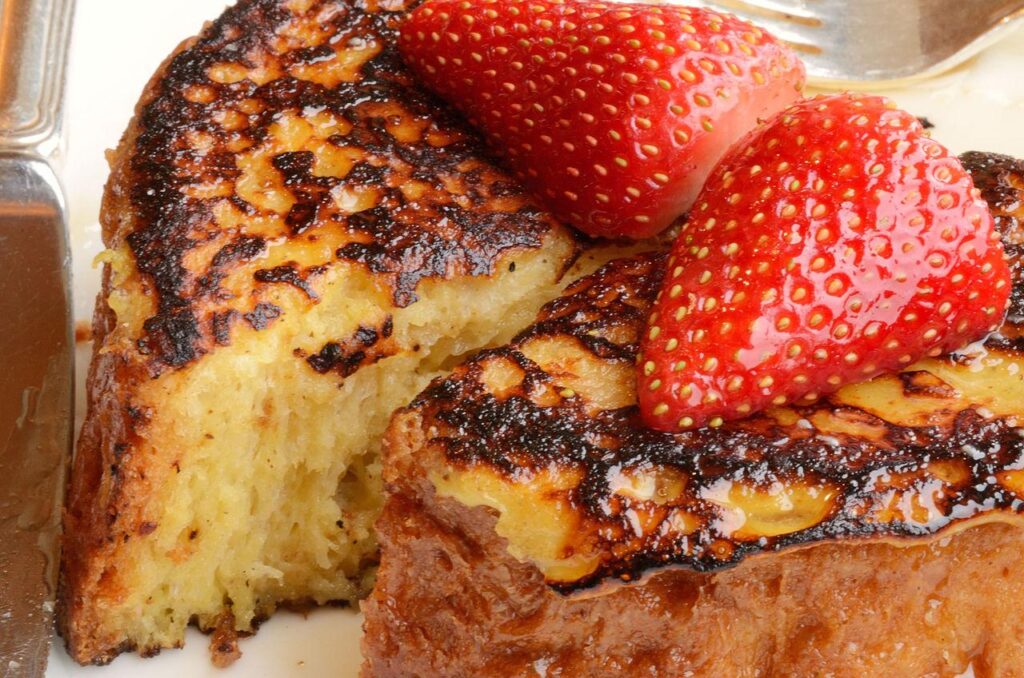
Alternative Breads Worth Trying
While enriched loaves are the best-known choices, other breads can also make excellent French toast if prepared thoughtfully.
Panettone
This Italian holiday bread is rich with butter, candied fruit, and sometimes nuts. Its airy yet tight crumb makes it absorb custard well, while its sweetness adds complexity. Panettone French toast is a holiday favorite, often paired with whipped cream and berries.
Croissants
Croissants aren’t technically bread—they’re laminated pastries—but they can be transformed into luxurious French toast. Because croissants are buttery and flaky, they soak up custard quickly and crisp beautifully in the pan.
Croissant French toast is more delicate than brioche or challah, so handle slices gently.
Pound Cake
Cake might sound unusual, but dense pound cake makes an excellent base. Its structure can withstand soaking, and its buttery sweetness shines through the custard. Pound cake French toast is especially good as a dessert option.
Muffins and Quick Breads
Blueberry muffins, banana bread, and other quick breads can be “French-toastified.” Since they’re already moist, a quick dip in custard is all they need. Too long, and they risk disintegrating.
These options are best for small, individual servings.
Breads That Don’t Work Well
Not all breads are created equal when it comes to French toast. Some simply don’t hold up in terms of texture or flavor.
- Baguette: The tough crust remains chewy and resists custard absorption.
- Ciabatta: Its open crumb lets custard drain instead of soaking in.
- Rustic Sourdough: The sour tang competes with the sweet custard, and the crust is too chewy.
- Very Soft White Bread: Pre-sliced sandwich loaves often disintegrate too easily, leading to soggy French toast.
These can still work in a pinch, but they require more careful soaking and cooking.
Tips for Preparing French Toast
No matter which bread you choose, technique matters. Here are some tips to perfect your French toast.
Slice Thickness Matters
Thicker slices (around 1 to 1.5 inches) give you a custardy center with crispy edges. Thinner slices soak faster but risk falling apart.
Use Slightly Stale Bread
Day-old or two-day-old bread is ideal. Fresh bread is too soft and collapses under custard. If your loaf is fresh, dry it out in the oven for 10 minutes at low heat.
Don’t Over-Soak
Soaking times vary depending on bread type. Brioche and challah can handle longer soaks, while croissants and quick breads should just be dipped lightly.
Balance the Custard
A simple custard of eggs, milk (or cream), sugar, and vanilla is classic. Adjust ratios depending on the bread. Richer loaves may need less sugar; plainer loaves benefit from extra flavorings like cinnamon or nutmeg.
Cook Low and Slow
Use medium-low heat to ensure the custard cooks through without burning the exterior. A bit of butter on the griddle adds flavor and crispness.
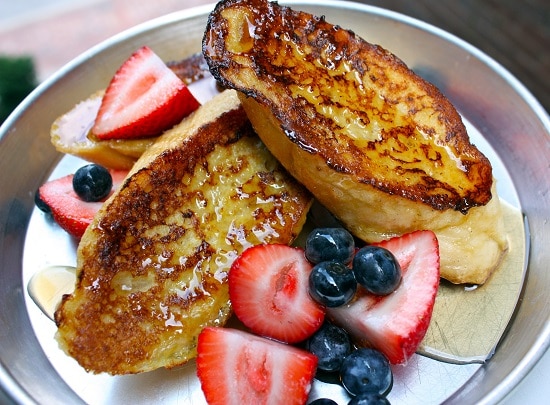
Beyond the Basics: Creative Twists
French toast is endlessly adaptable. Once you’ve chosen the right bread, experiment with fillings, toppings, and flavors.
Stuffed French Toast
Thicker slices of brioche or milk bread can be split and filled with cream cheese, Nutella, or fruit compote before soaking.
Savory French Toast
Use challah or milk bread and swap the sugar for herbs, cheese, or garlic in the custard. Top with smoked salmon or sautéed mushrooms.
Crème Brûlée French Toast
Soak brioche overnight, bake it, then torch the top with sugar for a crackly caramelized crust.
International Variations
- Hong Kong-style: Sweetened condensed milk and thick toast.
- Spanish torrijas: Soaked in wine or milk, then fried.
- Indian Bombay toast: Spiced with cardamom and saffron.
FAQs
What is the best bread for classic French toast?
The best bread for classic French toast is brioche. Its rich, buttery flavor and tight crumb absorb custard perfectly while maintaining structure. Challah and milk bread are also excellent options.
Can I use fresh bread for French toast?
Yes, but fresh bread is too soft and may become soggy. Ideally, use bread that is one or two days old. If your loaf is fresh, dry it out in the oven for 5–10 minutes on low heat.
Can French toast be made with sourdough or baguette?
It can, but these breads aren’t ideal. Their chewy crusts and open crumb structure don’t hold custard as well, often resulting in a tougher texture.
What thickness should I slice bread for French toast?
Slices between 1 and 1.5 inches thick are ideal. Thin slices soak quickly but may fall apart, while thicker slices give a custardy center with crisp edges.
Can I make French toast with cakes or pastries?
Yes. Pound cake, panettone, babka, and even croissants can all be turned into delicious French toast. Just soak them lightly to avoid falling apart.
Conclusion
French toast may be a humble dish, but the bread you choose makes all the difference between mediocrity and magic. Rich, custardy slices of brioche, challah, milk bread, Hawaiian rolls, and babka consistently deliver the best results. Cakes like pound cake and pastries like croissants bring unique twists, while rustic loaves like baguette and sourdough struggle to shine.
The key is selecting bread with a tight crumb, a tender crust, and enough structural integrity to soak in custard without falling apart. Pair this with the right slicing, soaking, and frying techniques, and you can transform even stale bread into an indulgent meal.
Whether you’re making a classic brunch plate, a decadent dessert, or a savory variation, remember: the best French toast starts with the right bread. Next time you eye that leftover loaf on your counter, ask yourself—will it survive the soak and shine on the plate? If so, it just might be the perfect foundation for your next French toast masterpiece.
