I’ll admit it: I’m one of those weirdos who happily downs a tall glass of whole milk just for the taste. Of all my quirks—and trust me, there’s stiff competition—this might be the whitest, most questionable one. Growing up in a “milk with dinner” household turned me into a full-fledged dairy fiend, which explains why my fridge is always overflowing with milk, half & half, and cream. The catch? I’m terrible at tracking expiration dates. Thankfully, all three can be frozen.
The downside? Freezing changes the texture. But that’s okay—if you know what to expect, you can still make it work.
What Happens When You Freeze and Thaw Milk
Milk is perfectly safe to freeze, as long as you do it before the “best by” date. My mom used to stock up on 2% milk at Costco and stash the extra jugs in our big garage freezer. They’d bulge as they froze, and once thawed, the milk separated. A good shake usually fixed it well enough to drink.
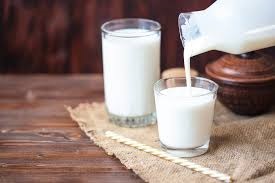
That bulging happens because water expands as it freezes, so you have to leave room for it. If your milk is in a cardboard carton, transfer it to an airtight plastic container or freezer bag, leaving a couple of inches at the top. (Cardboard is porous and absorbs freezer odors, which nobody wants in their milk.)
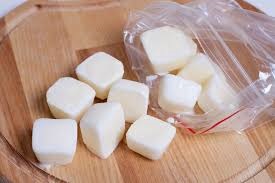
If your milk comes in a plastic jug, pour out a glass first, then freeze. For smaller portions, an ice cube tray works great—especially if you plan to use the milk in smoothies. Once frozen, transfer the cubes to a freezer bag so they don’t soak up any funky freezer smells.
After thawing, expect separation and maybe a slightly grainy texture, even after shaking. Running it through a blender can restore creaminess, but most people just use thawed milk for cooking, baking, or smoothies. That said, I grew up drinking frozen-then-thawed milk and barely noticed the difference—though I admit, I’m not the best judge. Frozen milk keeps for up to two months but should be used within a few days of thawing.
How to Freeze Half & Half and Cream
The higher the fat, the better dairy survives freezing—fewer ice crystals form, which helps preserve texture. Freezing half & half and cream follows the same process as milk: transfer to a plastic container or freezer bag and leave about an inch of space for expansion.
Once thawed, half & half will need a shake to smooth out separation. Heavy cream holds up better, but it won’t whip as well as fresh cream after freezing. If you’re saving it for cooking, sauces, or even cheesemaking, you’re good to go. Want whipped cream? Whip it first, then freeze dollops on a tray before transferring them to a freezer bag. They’ll be ready for topping desserts whenever you need
