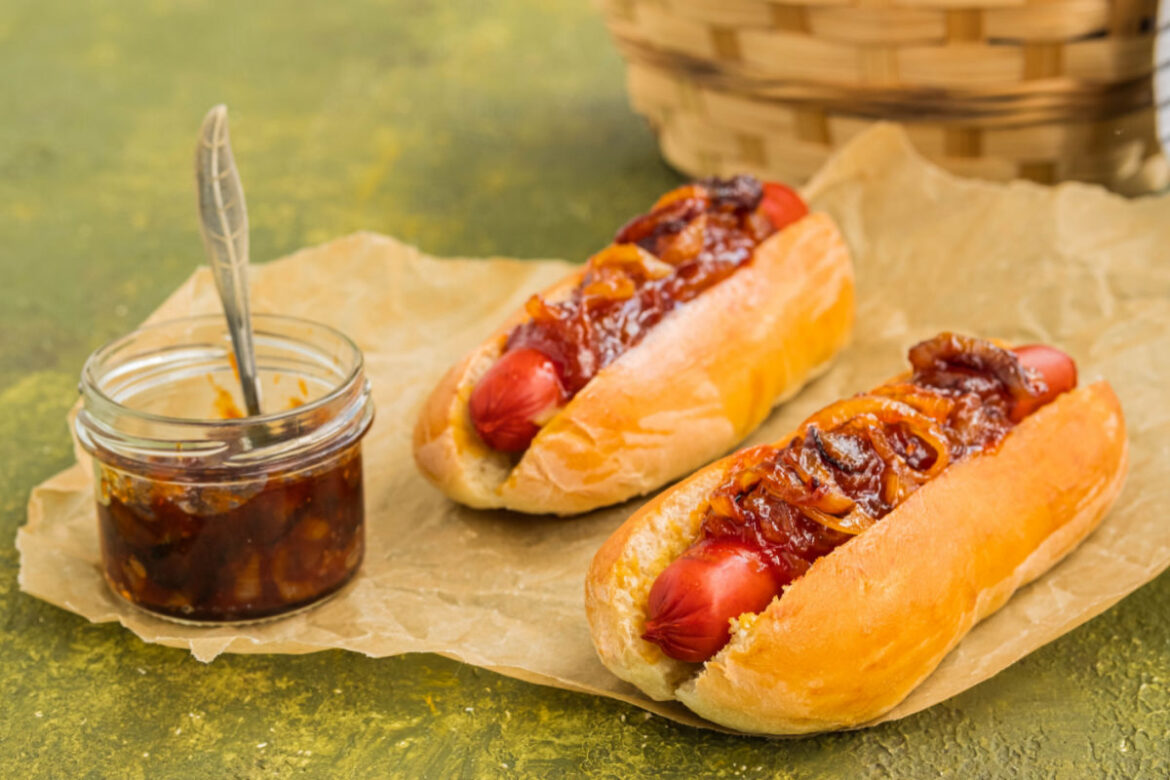
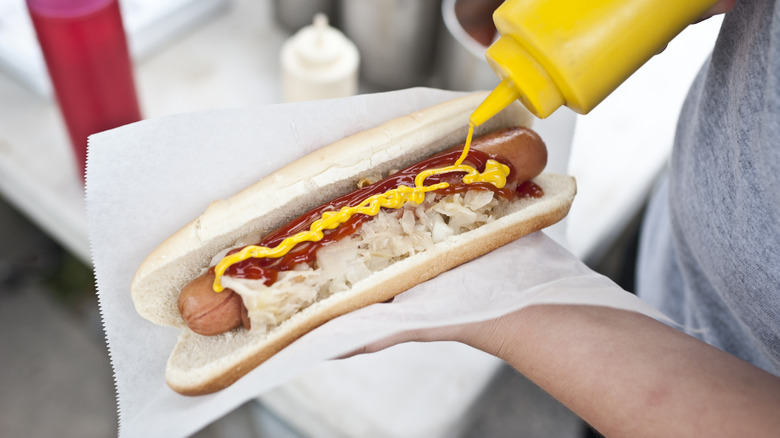
Hot dogs hold a special place in the hearts of food lovers everywhere, and I’m no exception. From the smoky char of a grilled frank to the indulgent mess of a chili dog, I savor every style. But nothing beats the nostalgic charm of a dirty water dog—the kind you snag from a bustling street cart, wrapped in a steamed bun, topped with mustard and sauerkraut. These iconic hot dogs, often associated with New York City’s vibrant street food scene, deliver a juicy, flavorful bite that’s hard to replicate. My fondest memory? Grabbing a dog from George’s cart near the Church of Scientology in Los Angeles—unforgettable flavor in an unexpected spot.
So, what makes a dirty water dog so special? It’s all about the cooking method: hot dogs simmered in a seasoned, salty bath that infuses them with a unique, savory depth. The water, often dubbed “dirty” due to the mix of spices and nitrates from the dogs, creates a plump, tender frank that bursts with flavor. You don’t need a street cart or a vendor’s secret recipe to enjoy this classic at home. With a simple pot, a few ingredients, and some basic know-how, you can bring the dirty water dog experience to your kitchen.
This guide walks you through everything you need to know to master dirty water dogs. From choosing the right hot dogs to perfecting the seasoned water, I’ve got you covered with tips, tricks, and a foolproof recipe. Whether you’re hosting a backyard BBQ or craving a quick, nostalgic meal, these hot dogs will hit the spot. Let’s dive into the world of dirty water dogs and give your franks the treatment they deserve!
What Are Dirty Water Dogs?
The Origins of a Street Food Icon
Dirty water dogs trace their roots to New York City’s bustling streets, where hot dog carts have been a staple for over a century. Vendors simmer beef or pork franks in large vats of seasoned water, creating a juicy, flavorful dog that’s served on a soft bun. The term “dirty water” comes from the cloudy, spice-laden liquid that develops as the hot dogs cook, absorbing flavors from the meat and seasonings. This method ensures every bite is tender and packed with savory goodness. Today, dirty water dogs remain a beloved symbol of urban food culture.
Why They’re Called “Dirty”
The “dirty” in dirty water dogs doesn’t mean unclean—it refers to the murky, flavorful water used to cook the hot dogs. As the franks simmer, they release juices and nitrates, which mix with spices like cumin, garlic, or paprika to create a rich broth. Some vendors add vinegar or salt to enhance the flavor. This unique cooking liquid gives the dogs their signature taste and texture. It’s a simple yet effective technique that elevates a humble hot dog to iconic status.
H3: Regional Variations Across the U.S.
While New York claims the dirty water dog crown, similar styles exist elsewhere. In Los Angeles, carts like George’s (my childhood favorite) add their own spin with extra spices or tangy condiments. Chicago’s steamed hot dogs share a similar vibe, though they’re often served with a poppy seed bun and specific toppings. In the South, some vendors incorporate smoky or spicy elements into the water. No matter the region, the core idea remains: simmered hot dogs soaked in flavor.
Read More: These Are the Best Breads for French Toast
Why Make Dirty Water Dogs at Home?
Recreate the Street Cart Experience
Nothing beats the nostalgia of grabbing a hot dog from a street vendor, but making dirty water dogs at home lets you capture that magic without leaving your kitchen. You control the ingredients, seasonings, and quality, ensuring a delicious result every time. Plus, it’s a fun way to impress guests at a BBQ or game night. With a simple recipe, you can serve up plump, juicy franks that rival any cart’s offerings.
Cost-Effective and Customizable
Buying hot dogs from a cart can add up, especially for a crowd. Making them at home is budget-friendly, with a pack of quality franks costing less than a few street dogs. You can also tweak the recipe to suit your taste—add extra spices, experiment with toppings, or even try plant-based hot dogs. The flexibility makes it perfect for picky eaters or adventurous foodies.
Perfect for Any Occasion
Dirty water dogs are versatile enough for any event, from casual weeknight dinners to large gatherings. They’re quick to prepare, easy to scale, and require minimal cleanup. Serve them with classic toppings like mustard and onions or get creative with gourmet options. Here’s why they’re a crowd-pleaser:
- Quick prep: Ready in under 20 minutes.
- Scalable: Double or triple the recipe for parties.
- Kid-friendly: Simple flavors kids love.
- Customizable: Endless topping possibilities.
- Portable: Great for picnics or tailgates.
Choosing the Right Hot Dogs
Beef vs. Pork vs. Mixed
The best dirty water dogs start with quality franks. Beef hot dogs, like those from Hebrew National or Nathan’s, offer a classic, robust flavor that holds up in the seasoned water. Pork franks bring a slightly sweeter, milder taste, while mixed meat options provide a balanced profile. Choose based on your preference, but ensure the dogs have a natural casing for that satisfying snap.
Why Skinless Hot Dogs Won’t Work
Skinless hot dogs, while convenient, don’t hold up as well in dirty water. The natural casing on traditional franks helps them retain shape and absorb the seasoned water’s flavors. Skinless varieties can become mushy or lose texture during simmering. Look for “natural casing” or “snap” on the label to ensure you’re getting the right type for authentic results.
Plant-Based Alternatives
For vegetarians or vegans, plant-based hot dogs can work in this recipe. Brands like Beyond Meat or Lightlife offer options that mimic the texture of traditional franks. Check that they have a casing-like exterior to avoid disintegration in the water. You may need to adjust cooking time slightly, as plant-based dogs can cook faster. Experiment to find the perfect simmer for your veggie franks.
Crafting the Perfect Dirty Water
The Role of Seasoned Water
The heart of a dirty water dog is the seasoned water, which infuses the franks with flavor. A simple mix of water, vinegar, and spices creates a savory bath that mimics the cart experience. The water should be salty and slightly tangy, with subtle spices that complement the hot dogs without overpowering them. Getting the balance right is key to authentic taste.
Essential Ingredients for the Water
To recreate the dirty water vibe, you’ll need a few pantry staples. Here’s what to include:
- Water: The base of your cooking liquid (1 quart for 6-10 hot dogs).
- Red wine vinegar: Adds a tangy kick (2 tablespoons).
- Cumin: Brings earthy warmth (1/8 teaspoon).
- Garlic powder: Enhances savoriness (1/8 teaspoon).
- Nutmeg: Adds subtle depth (1/8 teaspoon).
- Optional: A pinch of curing salt for that authentic nitrate flavor (use sparingly and follow safety guidelines).
Tips for Adjusting Flavors
Want to make the water your own? Try adding a pinch of paprika for smokiness, a dash of hot sauce for heat, or a splash of soy sauce for umami. Taste the water before adding the hot dogs to ensure it’s well-balanced. If it’s too salty, dilute with more water; if too bland, increase the vinegar or spices. Keep tweaking until it’s just right.
Cooking and Serving Your Dirty Water Dogs
Step-by-Step Cooking Process
Making dirty water dogs is a breeze. Combine water, red wine vinegar, cumin, garlic powder, nutmeg, and optional curing salt in a large pot. Bring to a boil, then reduce to a low simmer. Add 6-10 natural-casing hot dogs, cover, and simmer for at least 10 minutes. Remove from heat and keep the dogs in the water until ready to serve for maximum flavor.
Best Buns and Toppings
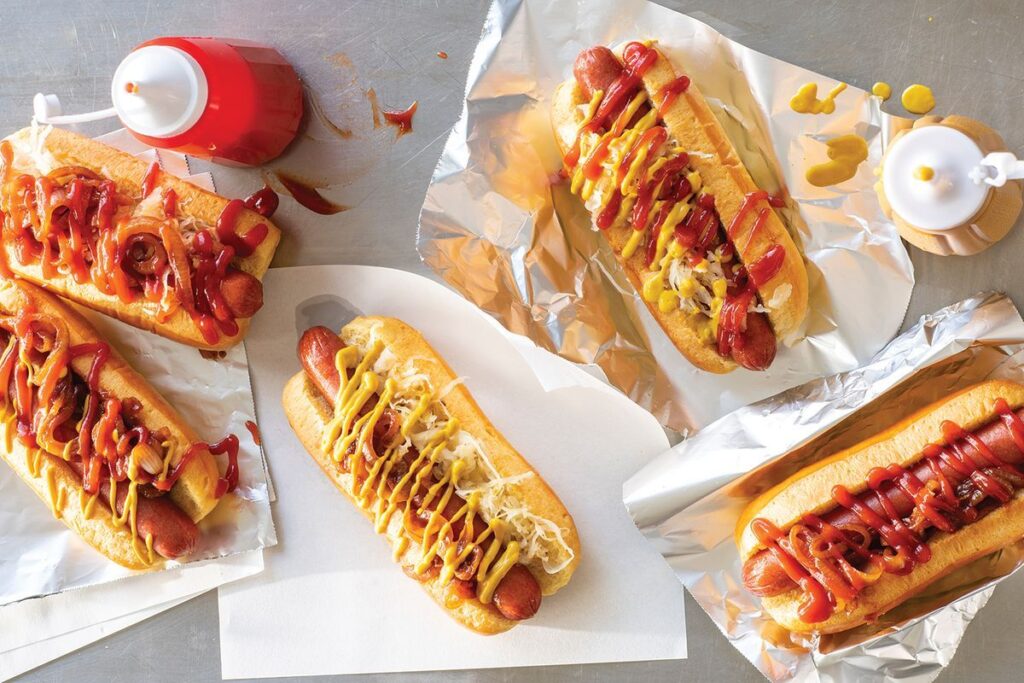
Serve your hot dogs on steamed buns for that true cart experience—place buns over the pot’s steam for 1-2 minutes to soften. Classic toppings include:
- Mustard: Yellow or spicy brown for authenticity.
- Sauerkraut: Adds tangy crunch.
- Onions: Raw or caramelized for sweetness.
- Relish: Sweet or dill for extra zing.
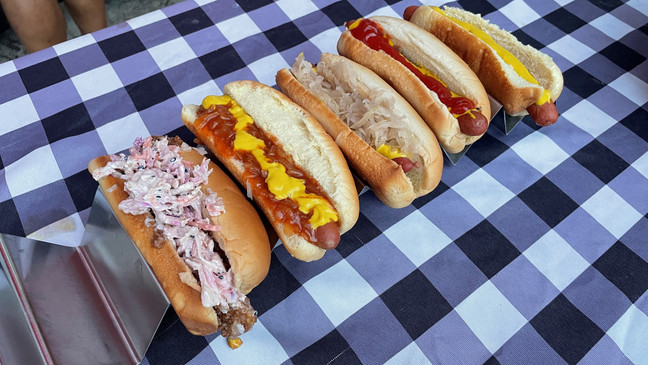
- Ketchup: Optional for those who dare! Get creative with chili, cheese, or even kimchi for a modern twist.
Serving Suggestions for Crowds
Dirty water dogs are perfect for parties. Keep the cooked hot dogs in the seasoned water on low heat to stay warm (up to 2 hours). Set up a topping bar with bowls of mustard, sauerkraut, onions, and more. Provide sturdy paper plates or hot dog trays for easy handling. For a fun touch, offer mini franks for sliders or appetizers.
Troubleshooting and Storage Tips
Common Cooking Mistakes
Overcooking can make hot dogs tough or split their casings. Simmer gently and avoid boiling vigorously. If the water tastes too strong, dilute it with more water to prevent overpowering the franks. Ensure your pot is large enough to avoid overcrowding, which can lead to uneven cooking. Check the dogs after 10 minutes to ensure they’re plump but not mushy.
Storing Leftovers Safely
Got leftover hot dogs? Store them in the seasoned water in an airtight container in the fridge for up to 3 days. Reheat by gently warming the dogs in the water on the stove. Avoid microwaving, as it can ruin the texture. Freeze cooked hot dogs (without the water) for up to 2 months; thaw in the fridge before reheating.
Scaling the Recipe
Need to feed a crowd? Double or triple the water and seasonings, but don’t overcrowd the pot—cook in batches if necessary. For smaller servings, halve the recipe but keep the seasoning ratios intact. If using a sous-vide setup for larger groups, maintain the water at 160°F for consistent results. Always taste the water to ensure the flavors stay balanced.
FAQs
Q: Can I use skinless hot dogs for this recipe?
Skinless hot dogs can work, but they may become mushy and lack the snap of natural-casing franks. For the best texture and flavor, choose hot dogs with a natural casing.
Q: How long can I keep hot dogs in the dirty water?
Keep hot dogs in the seasoned water on low heat for up to 2 hours for serving. Store leftovers in the fridge with the water for up to 3 days.
Q: Can I make dirty water dogs in advance?
Yes! Cook the hot dogs, cool them in the seasoned water, and refrigerate for up to 3 days. Reheat gently in the water before serving.
Q: Are there vegetarian dirty water dogs?
Absolutely! Use plant-based hot dogs with a casing-like exterior. Adjust cooking time to avoid overcooking, as veggie dogs cook faster.
Q: What’s the best way to steam buns at home?
Place a steamer basket over the simmering pot and rest the buns on top for 1-2 minutes. Alternatively, wrap buns in foil and warm in a low oven.
Conclusion
Dirty water dogs bring the nostalgic charm of street food to your kitchen with minimal effort. This simple recipe captures the juicy, flavorful essence of cart-style hot dogs using everyday ingredients. Whether you’re hosting a BBQ or craving a quick, savory meal, these franks deliver. Experiment with toppings, tweak the seasoned water, and make the recipe your own. Grab some quality hot dogs, fire up the stove, and enjoy a taste of the streets at home.
