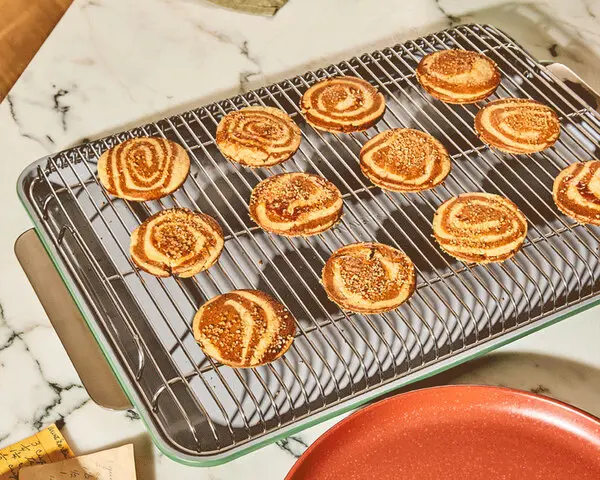
Baking is always a rewarding experience, filling your kitchen with warm aromas and anticipation of something delicious. Once your cookies, cakes, or pastries come out of the oven, however, the cooling process becomes just as important as the baking itself. Allowing air to circulate beneath your baked goods prevents sogginess, maintains texture, and ensures even cooling. This is where a cooling rack usually comes into play.
But what happens when you don’t have a cooling rack? Do you really need to buy one immediately? Fortunately, many everyday kitchen items can step in as perfect substitutes. These alternatives provide similar airflow, support, and efficiency without affecting the quality of your baked creations. Best of all, you likely already have them in your kitchen.
In this article, we will explore six reliable cooling rack alternatives you can use right away. Each option will help you cool baked goods properly, maintain their structure, and avoid moisture buildup. By the end, you’ll know exactly how to handle cooling without worrying about whether you own a dedicated rack.
Using an Oven Rack as a Substitute
How Oven Racks Work for Cooling
Oven racks already allow heat circulation in the oven, which makes them ideal for cooling as well. Their metal bars provide support for cookies, bread, and cakes while leaving enough space underneath for airflow. When removed from the oven and set on a heat-safe surface, they function nearly the same as a cooling rack.
Benefits of Oven Racks for Cooling
They are sturdy, large enough to accommodate multiple items, and designed to withstand high heat. Since oven racks are raised, they prevent your baked goods from sitting directly on a flat surface, which reduces condensation and sogginess. This makes them practical, especially when cooling larger batches.
Best Practices When Using Oven Racks
Place the oven rack over a baking sheet or towel to catch crumbs or drips. Avoid placing delicate cookies directly on wide-spaced racks since they may break or fall through. You can lay parchment paper across the bars if necessary to provide a more stable surface.
Inverted Muffin Tin as an Alternative
Why Muffin Tins Work for Cooling
A muffin tin may not seem like an obvious option, but when flipped upside down, its raised cups create a makeshift rack. This design elevates baked goods off the counter and allows for air circulation, preventing excess moisture buildup.
Advantages of Using Muffin Tins
- Provides excellent stability for larger baked goods
- Keeps items lifted for better cooling
- Multifunctional since muffin tins are common in most kitchens
- Perfect for small loaves, cookies, or pastries
- No need for additional kitchen tools
Tips for Muffin Tin Cooling
Ensure the muffin tin is clean and grease-free before use. Place parchment paper on top if your baked goods are delicate to avoid sticking. Spread items evenly across the inverted surface so air circulates around them properly.
Wire Shelf from the Refrigerator
Why Refrigerator Shelves Work Well
Refrigerator shelves are often made of wire, mimicking the structure of a cooling rack. They provide elevation, spacing, and strength needed for cooling baked items effectively. Since they are sturdy, they can handle heavier baked goods without bending.
Benefits of Refrigerator Shelves
Their design allows full airflow around baked goods, making them useful substitutes. They are usually wide, meaning you can cool larger cakes or multiple trays of cookies at once. Using them also avoids crowding counters when baking large batches.
Guidelines for Safe Use
Before using, make sure the shelf is thoroughly cleaned and sanitized. Place a sheet of wax paper or parchment across the wires if your baked goods are fragile. Always rest the shelf on a stable surface instead of balancing it between counters.
Stovetop Grates for Cooling
How Stove Grates Work as Cooling Racks
The metal grates on your stovetop can serve as excellent makeshift racks. They already provide spacing for air circulation while holding pots and pans, which makes them strong enough to handle baked goods as well.
Benefits of Stovetop Cooling
- Readily available in every kitchen with a gas stove
- Sturdy enough for heavy cakes, pies, or bread
- Perfect height for airflow under baked goods
- Utilizes kitchen space efficiently without clutter
- Reduces need for buying additional equipment
Best Practices for Stovetop Cooling
Clean grates thoroughly before placing food directly on them. For delicate items, spread parchment paper across the grate. Position your baked goods carefully to prevent slipping between the spaces.
Bamboo Steamer Basket
Why Bamboo Baskets Work as Racks
Bamboo steamer baskets are naturally designed to allow steam to pass through. Their woven structure provides excellent ventilation, making them perfect for cooling baked goods like cookies, scones, and muffins.
Benefits of Bamboo Steamer Cooling
- Lightweight yet strong enough to support multiple items
- Designed for airflow, reducing condensation
- Gentle on delicate pastries and cookies
- Doubles as a steaming tool for versatile kitchen use
- Eco-friendly, natural alternative to metal racks
Tips for Using Bamboo Baskets
- Ensure the basket is clean and odor-free before use
- Line the surface with parchment to prevent crumbs from falling through
- Use multiple layers if cooling large batches of baked goods
Paper Towels over a Colander
How Colanders Serve as Cooling Tools
A metal colander has holes that encourage airflow, which makes it an efficient cooling alternative. By flipping it upside down and covering it with paper towels, you create a raised surface suitable for cooling.
Read More: The Right Way to Freeze Milk, Half & Half, and Heavy Cream
Advantages of Colander Cooling
- Elevates baked goods to prevent sogginess
- Readily available in nearly every kitchen
- Works well for small baked items like cookies and biscuits
- Lightweight and easy to move around
- Budget-friendly substitute for cooling racks
Guidelines for Effective Cooling
Always use a stable, heat-resistant colander. Cover the surface with a layer of paper towels or parchment to protect fragile baked goods. Avoid placing very large cakes on it since they may be too heavy or unstable.
FAQs
Can I cool cookies directly on the counter?
Yes, but it is not ideal since it traps heat and moisture, making cookies soggy.
Do I really need a cooling rack for baking?
Not necessarily—several kitchen tools can substitute effectively while still ensuring airflow.
What is the best substitute for a cooling rack?
Oven racks and refrigerator shelves are among the most effective alternatives due to their durability and design.
Can parchment paper help with cooling without a rack?
Yes, parchment provides a protective layer and prevents sticking, though it won’t elevate baked goods.
Are makeshift cooling racks safe?
Yes, as long as the surfaces are clean, stable, and heat-resistant, they work perfectly fine.
Conclusion
Cooling is a critical step in baking, and not owning a cooling rack should never limit your results. By using creative alternatives like oven racks, muffin tins, stovetop grates, refrigerator shelves, bamboo baskets, or colanders, you can achieve perfect airflow and prevent soggy textures. These common kitchen items provide practical, cost-free solutions that ensure your baked goods cool evenly while maintaining delicious taste and texture.
