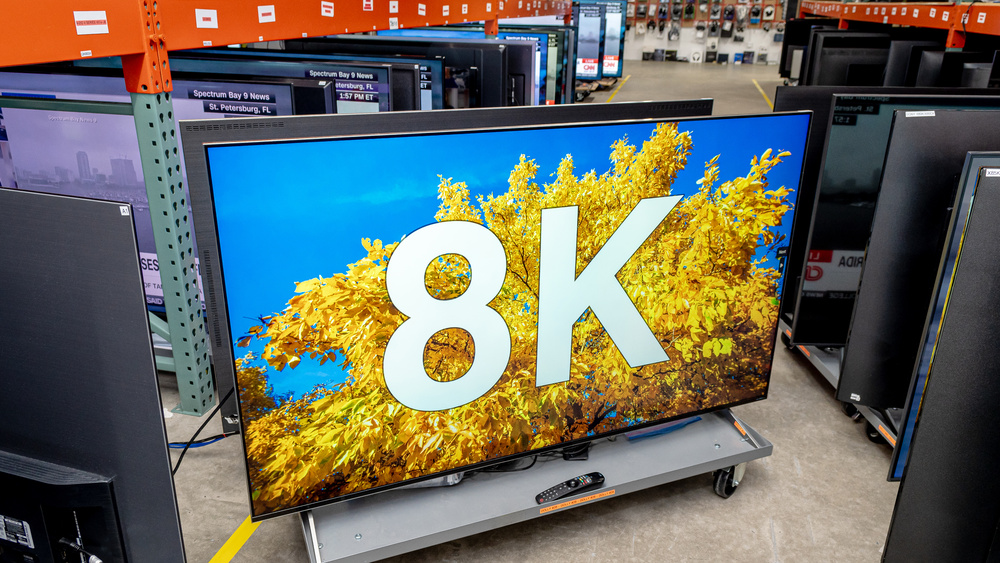
The television industry has undergone significant evolution over the past two decades. From bulky CRTs to sleek OLED panels, from blurry standard definition to razor-sharp 4K, the journey has been one of relentless improvement. Now, in 2025, the buzzword in home entertainment is “8K.” Manufacturers promise ultra-crisp visuals, more detail than the human eye can perceive, and a future-proof investment that will serve you for many years. But the big question is whether upgrading to 8K today truly makes sense.
Understanding the technology, availability of content, real-life visual benefits, pricing, and future trends is essential before making a purchase. In this detailed guide, we explore whether 8K TVs are worth buying in 2025, looking at the hype, the hurdles, and the real-world use cases that determine if it is the right choice for you.
Understanding What 8K Really Means
8K resolution refers to a display with 7,680 horizontal pixels and 4,320 vertical pixels, giving a total of over 33 million pixels. This is four times the resolution of 4K and sixteen times that of Full HD. The result, in theory, is sharper images, smoother gradients, and the ability to see fine details that lower resolutions cannot display.
However, resolution is only one part of the picture quality equation. Panel technology, color accuracy, contrast ratios, HDR performance, and motion handling all play critical roles in determining whether the image looks impressive. While 8K delivers unparalleled pixel density, you may not see its full benefit unless you have a very large TV or sit unusually close to the screen.
Content Availability and the Biggest Limitation
One of the primary reasons 8K has not taken off quickly is the lack of native 8K content. Most streaming platforms such as Netflix, Disney+, and Amazon Prime currently max out at 4K resolution. YouTube has some 8K videos, but they are limited to niche creators and experimental clips rather than blockbuster movies or popular TV series.
Broadcast television remains years away from offering 8K due to bandwidth constraints. Even gaming struggles in this space. While some high-end PCs can push 8K at acceptable frame rates, consoles like the PlayStation 5 Pro or Xbox Series X only support 8K in limited cases, often sacrificing graphical detail or frame rate in the process.
The reality is that without widespread native content, your 8K TV will primarily upscale lower-resolution material. While good upscaling can make a big difference, it still falls short of the clarity and authenticity of true native 8K footage.
Upscaling: The Saving Grace of 8K TVs
Because native 8K content is scarce, manufacturers have focused heavily on perfecting upscaling technology. This process uses advanced algorithms, often powered by AI, to fill in the extra pixels when displaying 4K or even HD material on an 8K panel.
Modern upscaling, especially on flagship models from brands like Samsung and LG, can be remarkably convincing. AI-powered chips analyze textures, edges, and color patterns to recreate detail that appears naturally sharper than the original. This means that even if you are watching a 4K movie, it may look noticeably cleaner and more refined on an 8K display compared to a standard 4K set of similar quality.
That said, upscaling is still a form of intelligent guesswork. The resulting image might be beautiful, but it is not the same as real native resolution.
The Price Gap Between 4K and 8K in 2025
While 8K TVs have dropped in price since their introduction, they still carry a premium over their 4K counterparts. In 2025, a high-quality 75-inch 4K OLED might cost around $2,500, whereas an equivalent 8K model could easily be double that or more.
This raises the question of whether the visual improvement justifies such an investment. For most buyers, the answer depends on usage habits, viewing distance, and the importance placed on having the latest technology. In many living rooms, a top-tier 4K TV delivers a picture so stunning that the additional expense for 8K is hard to justify.
Where 8K Truly Shines
There are scenarios where 8K resolution offers clear advantages. Large screens above 75 inches benefit significantly because the pixel density is high enough to prevent visible pixelation even at close range. In a home theater setup with an 85-inch or 100-inch display, 8K ensures maximum clarity for high-quality sources.
8K also holds appeal for certain professional applications. Video editors, digital artists, and photographers can benefit from the added resolution for detailed work. Museums, public displays, and specialized industries can take advantage of the crispness to present immersive visuals.
Real-World Perception of 8K vs. 4K
Blind tests conducted by reviewers often reveal that the difference between 4K and 8K is not easily perceived at typical living room distances unless the screen is extremely large. This means that for a 55-inch or 65-inch TV viewed from across the room, you may struggle to notice much improvement.
However, enthusiasts who value pixel-perfect detail and sit closer to their screens will notice more texture in images, finer edges, and greater depth in high-quality video sources. For these viewers, the difference can be worth it—provided they can afford the upgrade.
The Bandwidth and Storage Challenge
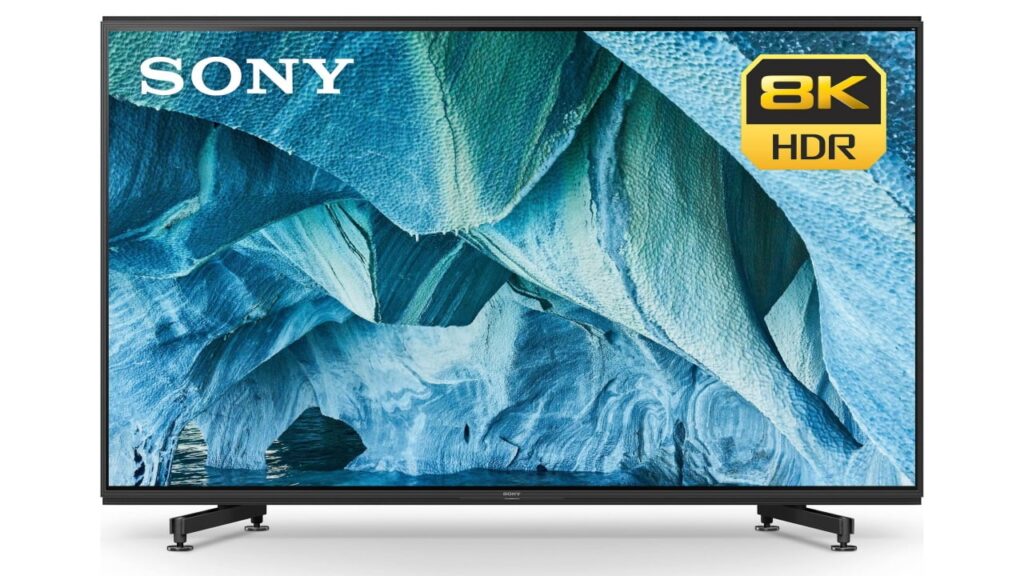
Streaming 8K content requires enormous bandwidth. A true 8K video stream with HDR can require 80 to 100 Mbps or more, far exceeding the average home internet speed in many regions. This means that even when 8K content becomes more available, many households may face buffering issues without upgrading their internet plans.
In addition to bandwidth, 8K video files take up massive storage space. For those who prefer physical media, no widely adopted 8K Blu-ray standard exists yet, further limiting access to native material.
Gaming on 8K Displays
Gaming in 8K remains a niche experience in 2025. While PC gaming enthusiasts with top-tier GPUs can achieve playable frame rates in less demanding titles, the graphical horsepower required for modern AAA games at 8K is immense. Upscaling techniques such as NVIDIA’s DLSS or AMD’s FSR can help bridge the gap, but these methods are not true native 8K rendering.
For console gamers, 4K remains the sweet spot for performance and visual fidelity. While certain titles may offer 8K output, these are often limited to static scenes, basic graphics, or showcase modes that do not represent actual gameplay quality.
Energy Efficiency and Policy Constraints
Another factor affecting 8K adoption is energy consumption. 8K TVs require more processing power and often brighter backlighting to maintain picture quality, which can increase energy use. In some regions, stricter energy regulations have led to brightness limits on 8K models, potentially reducing their appeal compared to top-end 4K sets.
Future-Proofing Considerations
One of the common arguments in favor of buying an 8K TV now is future-proofing. The logic is that as more 8K content becomes available in the coming years, you will already have the hardware ready to display it. This can make sense if you tend to keep your TV for a decade or more and want to avoid upgrading again soon.
However, history shows that display technology continues to improve in other areas beyond resolution. HDR performance, panel types, refresh rates, and image processing all evolve rapidly, meaning that an 8K TV purchased today could still feel outdated in five years due to advancements in other aspects of image quality.
Is 8K Worth It for the Average Consumer in 2025?
For most households, a high-quality 4K TV remains the better value in 2025. These models are mature, offer exceptional picture quality, and have a vast library of native content available. Unless you are building a large home theater or have specific needs for ultra-high resolution, 8K is more of a luxury than a necessity at this stage.
The best approach for most consumers is to invest in the highest-quality 4K TV they can afford, prioritizing panel technology, HDR capabilities, and brightness levels over sheer resolution. This ensures a stunning viewing experience without overpaying for pixels you may rarely notice.
The Minimum Requirements for American Express Cards [2025]
Conclusion
8K TVs in 2025 are technologically impressive, offering a glimpse into the future of home entertainment. They excel in scenarios involving massive screens, specialized professional use, or for early adopters who simply want the latest and greatest technology. However, the combination of high prices, scarce native content, and minimal perceived benefits for most viewing situations means that for the majority of buyers, a premium 4K TV is still the smarter purchase.
If you have the budget, space, and viewing habits that align with 8K’s strengths, investing in one now could make sense—especially if you plan to keep it for many years. But if you want the best balance of quality, content availability, and value, 4K remains the king of living rooms in 2025.
