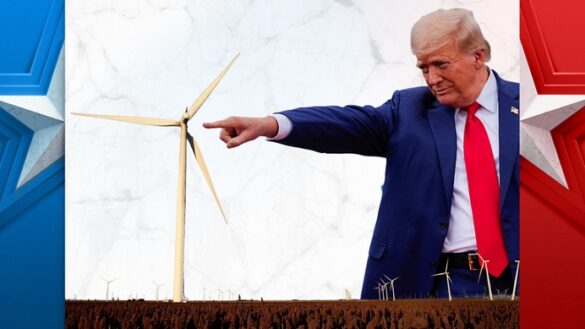
The sweeping domestic policy bill championed by President Donald Trump, known as the “One Big, Beautiful Bill Act,” has sparked significant backlash from Washington state’s climate tech industry, environmental advocates, and political leaders. The legislation, which passed the House and Senate in slightly different forms in July 2025, targets tax credits and incentives established under the Biden administration’s 2022 Inflation Reduction Act (IRA), threatening the growth of clean energy sectors like solar, wind, batteries, and electric vehicles (EVs). As Congress works to reconcile the two versions to deliver a final bill to Trump’s desk, stakeholders in Washington state—a hub for clean energy innovation—are warning of severe economic and environmental consequences, including job losses, higher energy costs, and a weakened position in the global clean energy race.

Overview of the Bill’s Clean Energy Provisions
The House and Senate versions of the bill both aim to dismantle key clean energy incentives, though they differ in timelines and specifics. The primary provisions include:
- Phasing Out Renewable Energy Tax Credits: The Senate bill phases out tax credits for large-scale wind and solar projects by 2028, while the House version imposes stricter timelines, requiring projects to begin construction within 60 days of the bill’s enactment and be operational by 2028 to qualify for credits.
- Eliminating Consumer Incentives: Both versions terminate the $7,500 EV tax credit (by September 2025 in the Senate bill, year-end in the House bill) and credits for home energy efficiency upgrades, such as rooftop solar and electric heat pumps, by the end of 2025.
- Canceling Clean Hydrogen Credits: Tax credits for producing low-emission hydrogen fuel face rapid elimination, impacting emerging clean energy technologies.
- Preserving Select Incentives: Incentives for nuclear, geothermal, hydropower, and carbon capture technologies are extended through 2033 or 2036, reflecting a preference for “clean firm” energy sources that operate continuously, unlike wind and solar.
- New Restrictions on Foreign Materials: Both bills impose restrictions on tax credits for projects using components from “foreign entities of concern” like China, which dominates clean energy supply chains. The Senate version slightly softens these restrictions for publicly traded companies but introduces a complex formula to determine eligibility, potentially stifling projects reliant on Chinese materials.
- New Taxes on Renewables: The Senate bill initially included a provision to impose a new excise tax on wind and solar projects, estimated to raise costs by 10-20%, though this was removed in the final version passed on July 1, 2025.
- Preserving Biofuel Incentives: The bill extends tax credits for clean biofuel production, aligning with Trump’s focus on certain low-carbon technologies.
These changes effectively dismantle much of the IRA, which spurred over $841 billion in clean energy investments, with nearly 80% flowing to Republican districts, including significant projects in red states like Texas and Georgia.
Washington State Clean Energy Landscape
Washington state is a leader in clean energy innovation, hosting a diverse ecosystem of companies in solar, wind, battery technology, carbon removal, nuclear fission and fusion, and sustainable aviation. These businesses, ranging from startups to established firms, operate in both Republican- and Democratic-leaning communities, contributing to economic growth and job creation. The Pacific Northwest’s clean energy sector includes:
- Battery Materials: Companies like Sila and Group14 Technologies in Moses Lake are developing advanced silicon anode materials to replace graphite in lithium-ion batteries, reducing reliance on Chinese supply chains.
- Carbon Removal: CarbonQuest in Spokane is innovating carbon capture devices for industrial applications and green materials like synthetic fuels and concrete.
- Clean Energy Marketplaces: Seattle-based Ever.green and LevelTen Energy connect corporations with clean energy developers to fund renewable projects, supporting the transition to low-carbon power.
- Renewable Energy: Washington’s wind farms (e.g., in Goldendale) and solar projects contribute significantly to the state’s clean energy grid, supported by state mandates and federal incentives.
The IRA’s tax credits and grants fueled a manufacturing boom, with companies announcing plans for 250 new facilities nationwide since 2022, creating over 575,000 jobs and contributing $86 billion annually to GDP. In Washington, these incentives supported projects like Sila’s Moses Lake plant, which is set to begin production by late 2025.
Outcry from Washington Leaders and Industry
Washington state’s political and business leaders have voiced strong opposition to the bill, citing its potential to derail economic progress, increase energy costs, and cede global clean energy leadership to countries like China.
Political Leaders
Senator Patty Murray (D-Wash.): Murray has been a vocal critic, quoting Elon Musk’s description of the cuts as “utterly insane and destructive” and warning that they could “destroy millions of jobs.” She argues the bill undermines America’s energy independence and competitiveness, especially as electricity demand rises due to AI data centers. Murray emphasized the need to kill the bill to protect clean energy jobs and innovation.
Congressional Concerns: While some Republican lawmakers, including Senators Lisa Murkowski (Alaska) and Joni Ernst, pushed for softer cuts to protect jobs in their states, the final Senate bill still phases out wind and solar credits rapidly, disappointing moderates. Democrats like Senator Ron Wyden (Oregon) highlighted the irony of Republicans voting against economic benefits in their own districts, where clean energy projects have created high-wage jobs.
Climate Tech Industry and Nonprofits
Michael Mann, Clean & Prosperous Washington: Mann called the bill a “direct assault” on Washington’s economy, warning that it slashes jobs, raises consumer costs, and undermines global competitiveness. He noted that the cuts threaten the state’s leadership in clean energy innovation, potentially driving investment to countries like China.
Cris Eugster, Ever.green: Eugster described the bill as a “significant setback” for the clean energy transition, particularly for wind and solar, which are critical for meeting rising electricity demand. He warned that the cuts could accelerate climate tipping points, exacerbating worst-case environmental scenarios.
Rob Collier, LevelTen Energy: Collier emphasized the urgency felt by clean energy developers, who are reassessing project timelines and viability due to the policy shift. Despite the uncertainty, LevelTen is adapting to focus on projects that remain viable under current rules, viewing the transition as a “long game.”
Helena Schwarz, Sila: Schwarz expressed optimism, noting that Sila’s focus on domestic silicon anode production aligns with the bill’s restrictions on Chinese materials. However, she acknowledged challenges for other sectors reliant on global supply chains.
CarbonQuest Spokesperson: While supportive of the Senate’s restored incentives for carbon capture, CarbonQuest expressed concerns about the rollback of wind and solar credits and penalties on foreign supply chains. They advocated for an “all-of-the-above” energy policy to maintain workable tax credits.
Broader Industry Concerns
Nationwide, clean energy groups like the Solar Energy Industries Association (SEIA) and American Clean Power Association (ACP) have decried the bill. SEIA’s Abigail Ross Hopper warned that it could “upend an economic boom” that delivered jobs and lower electricity costs, particularly in Republican states. The ACP estimated that the bill could jeopardize 300,000 jobs in solar and energy storage by 2028. Analysts from the Rhodium Group projected that the cuts could increase household energy costs by 7% and add 260 million tonnes of pollution by 2035, equivalent to Spain’s annual emissions.
Impacts on Washington’s Clean Energy Sectors
Wind and Solar Industries
The rapid phase-out of tax credits for wind and solar projects threatens Washington’s renewable energy sector, which includes wind farms in Goldendale and solar installations across the state. These projects accounted for 81% of new U.S. electricity capacity in 2024, driven by falling costs and IRA incentives. The bill’s restrictions on Chinese components further complicate development, as China dominates global supply chains for solar panels and wind turbine parts. The removal of a proposed excise tax on renewables in the Senate’s final bill offers some relief, but the accelerated phase-out still risks canceling 75 gigawatts of planned renewable capacity by 2032.
- Economic Impact: The loss of tax credits could lead to project cancellations, as seen with $14 billion in clean energy investments already canceled nationwide in 2025. In Washington, this threatens jobs in construction, maintenance, and manufacturing tied to wind and solar.
- Energy Prices: Analysts warn that curbing renewables could raise household electricity bills by over $230 by 2035, as solar and wind are often the cheapest sources of new electricity.
Battery and EV Sectors
The elimination of EV tax credits and large-scale battery storage incentives directly impacts Washington’s battery industry, exemplified by Group14 Technologies and Sila in Moses Lake. Group14 announced layoffs and delayed production at its new facility due to “shifts in demand and global trade uncertainties,” likely exacerbated by the bill’s EV credit cuts. Sila, however, remains optimistic, as its silicon anode materials reduce reliance on Chinese graphite, aligning with the bill’s domestic production focus.
- Job Losses: The battery sector supports 122,000 U.S. jobs, with significant employment in Washington. The bill could disrupt this growth, particularly for companies reliant on EV demand.
- Supply Chain Challenges: Restrictions on Chinese materials increase costs for battery manufacturers, as China supplies 64% of global lithium-ion batteries.
Carbon Removal and Other Technologies
The Senate bill’s restoration of carbon capture incentives is a bright spot for companies like CarbonQuest, which develops devices to capture CO2 for use in synthetic fuels and green concrete. These measures support Washington’s emerging carbon removal sector, but concerns remain about the broader rollback of renewable incentives, which could limit the energy needed to power carbon capture technologies.
- Opportunities: Incentives for carbon capture and sequestration (CCS) align with bipartisan support and could drive innovation in Washington’s green materials sector.
- Challenges: The bill’s supply chain restrictions may hinder CCS projects that rely on imported components, and the loss of renewable credits could reduce the clean energy available for carbon-intensive processes.

Economic and Environmental Consequences
Economic Impacts
- Job Losses: The SEIA estimates that the bill could eliminate 300,000 solar and storage jobs by 2028, with thousands at risk in Washington’s clean energy sector. Nationwide, 830,000 jobs could be lost across clean energy industries.
- Investment Flight: Since the IRA’s passage, $522 billion in clean energy investments have been announced, but $14 billion in projects were canceled in 2025 due to policy uncertainty. Companies like France-based ENGIE and Indian manufacturer Premier Energies have scaled back U.S. plans, potentially shifting investments to China or Europe.
- Global Competitivenes: Analysts warn that the cuts cede U.S. leadership in clean energy to China, which installed 64% of global renewable capacity in 2024. This could weaken Washington’s climate tech startups, which rely on domestic manufacturing and innovation.
Environmental Impacts
- Increased Emissions: The Rhodium Group estimates the bill could add 730 million tonnes of greenhouse gas emissions over the next decade, with 260 million tonnes in 2035 alone, undermining global climate goals.
- Climate Goals at Risk: Washington’s clean energy transition, critical for meeting state and national climate targets, faces setbacks as renewables are sidelined. This could push the U.S. further off-track from avoiding climate tipping points.
- Grid Reliability: With 95% of proposed U.S. grid projects involving wind, solar, and batteries, the cuts threaten grid stability as electricity demand rises, particularly for AI data centers.
Responses and Adaptations
Washington’s clean energy sector is adapting to the uncertainty:
- Ever.green and LevelTen Energy: These companies are focusing on projects that remain viable under current rules, emphasizing long-term resilience. LevelTen reports increased urgency among developers to secure funding before credits expire.
- Sila’s Strategic Positioning: By focusing on domestic production, Sila is navigating the bill’s restrictions, though it acknowledges broader industry challenges.
- CarbonQuest’s Advocacy: The company is pushing for a balanced energy policy that supports both carbon capture and renewables, urging Congress to refine the bill’s tax credit rules.
- Industry Lobbying: National groups like SEIA and ACP are lobbying Senate Republicans to soften cuts, citing job losses and economic damage in red states. Some GOP senators, like Lisa Murkowski, have proposed amendments to tie tax credit eligibility to construction start dates rather than service dates, offering slight relief.
Broader Context and Political Dynamics
The bill reflects Trump’s campaign promise to reverse Biden’s climate policies, prioritizing fossil fuels and “energy dominance” through oil, gas, and coal. Energy Secretary Chris Wright has criticized wind and solar as “parasites” on the grid, favoring nuclear and carbon capture. However, the cuts have sparked dissent even among Republicans, with 13 House Republicans and four GOP senators urging preservation of some IRA credits to protect jobs in their districts.
Elon Musk’s vocal criticism, calling the cuts a “massive strategic error,” has amplified the debate, highlighting the bill’s potential to harm U.S. competitiveness in the AI and clean energy races. Climate advocates argue that the bill contradicts Trump’s goal of boosting domestic manufacturing, as it drives investment to countries with stronger clean energy policies.
Looking Ahead: Reconciliation and Next Steps
As Congress reconciles the House and Senate bills, Washington stakeholders are closely monitoring the outcome. Key points of contention include:
- Timelines for Tax Credit Phase-Outs: The Senate’s longer phase-out for wind and solar (2028) versus the House’s stricter 60-day construction start requirement.
- Foreign Material Restrictions: Refining the “foreign entities of concern” rules to balance domestic manufacturing goals with practical supply chain realities.
- Preserving Battery and Carbon Capture Incentives: Ensuring that emerging sectors like Washington’s battery and carbon removal industries retain support.
The final bill, expected to reach Trump’s desk soon, will shape the future of Washington’s clean energy ecosystem. Industry leaders are urging lawmakers to adopt a balanced approach that supports renewables, nuclear, and carbon capture to maintain economic and environmental progress.
FAQs
What are the main clean energy provisions in Trump’s domestic policy bill?
The bill phases out tax credits for large-scale wind and solar projects by 2028 (Senate) or sooner (House), eliminates the $7,500 EV tax credit by September or year-end 2025, cancels credits for clean hydrogen and home energy efficiency upgrades, and imposes restrictions on projects using Chinese materials. It extends incentives for nuclear, geothermal, hydropower, and carbon capture while preserving biofuel credits.
How will the bill impact Washington state’s clean energy industry?
Washington’s climate tech sector, including companies like Sila, Group14 Technologies, Ever.green, and CarbonQuest, faces job losses, project cancellations, and reduced competitiveness. The cuts threaten wind, solar, and battery industries, though carbon capture and domestic battery material production may benefit from specific provisions.
Why are Washington leaders and businesses opposed to the bill?
Leaders like Senator Patty Murray and industry figures argue the bill harms the economy, slashes jobs (potentially 300,000 in solar/storage), raises energy costs, and cedes clean energy leadership to China. It undermines Washington’s role as a clean tech hub and risks missing climate goals.
How do the House and Senate versions of the bill differ?
The Senate bill allows a longer phase-out for wind and solar credits (2028) and softens restrictions on foreign materials for publicly traded companies, while the House version requires projects to start construction within 60 days and imposes stricter supply chain rules. Both eliminate EV and hydrogen credits but differ on timelines.
Can Washington’s clean energy companies adapt to these changes?
Some companies, like Sila, are positioned to benefit from domestic production incentives, while others, like LevelTen Energy, are focusing on viable projects. However, the broader rollback of renewable credits and supply chain restrictions pose challenges, prompting calls for a balanced “all-of-the-above” energy policy.
Conclusion
Trump’s domestic policy bill, with its aggressive cuts to clean energy incentives, has ignited fierce opposition from Washington state’s climate tech industry and leaders. The legislation threatens to derail a thriving sector that supports jobs, innovation, and climate goals, particularly in renewables and battery manufacturing. While some companies like Sila and CarbonQuest see opportunities in specific provisions, the broader impact risks job losses, higher energy costs, and a loss of U.S. leadership to China. As Congress reconciles the bill, Washington’s clean energy community is advocating for policies that preserve the state’s role as a hub for climate innovation, urging a rethink of what critics call a “shortsighted” and “destructive” approach to America’s energy future.
