
The first thing I did on my 21st birthday was head straight into a casino. I wasn’t dreaming of yachts, diamonds, or a millionaire lifestyle—I simply wanted to try my luck at a blackjack table. Since then, I’ve played in a variety of casinos across the country. I’m no high roller, but I know my way around the tables and machines. If you’re stepping onto the casino floor for the first time, it can be overwhelming. Bright lights, ringing slot machines, the shuffle of chips, and cocktails being passed around—it all looks like a scene from a movie.
If you’re not sure where to begin, this beginner’s guide will walk you through everything you need to know about casino gambling. You’ll learn how casinos keep you playing, which games are best for beginners, how to follow casino etiquette, and most importantly, when to quit.

What You Need to Know Before You Start
Imagine walking into a glittering casino after enjoying a big buffet dinner. The slot machines are flashing, you hear the sound of dice rolling, and your pulse quickens as you imagine walking away with a jackpot. Before you sit down at any table, though, there are some basic truths about gambling you must understand.
Read More: Microsoft Shutdown of the Xbox 360 Storefront: A Significant Loss for Video Game Preservation
The House Always Wins
Every game in a casino is designed with a built-in advantage for the house, which is just a fancy way of saying the casino is always statistically more likely to win. This doesn’t mean you can’t win money—it just means the math is on their side. For example, a blackjack game might have a 0.5% to 2% house edge depending on rules, while slot machines can have a 5% to 15% edge. Over time, this advantage ensures the casino profits, no matter how many lucky winners they celebrate on the casino floor.
Luck Plays a Huge Role
Unless you’re a professional card counter (which casinos frown upon), your success mostly comes down to luck. You can learn strategies to minimize losses and improve your odds, but you can’t control the roll of dice or the spin of a roulette wheel. Approach gambling as entertainment, not as a reliable way to make money.
Set a Budget Beforehand
Never walk into a casino expecting to pay next month’s rent with your winnings. Instead, decide how much money you’re comfortable losing before you even set foot on the floor. Think of it as the cost of a concert ticket or a night out. Bring that cash, leave your ATM card behind, and never chase your losses. Once your bankroll is gone, your night of gambling is over.
Hot Streaks Don’t Last Forever
If you’re lucky enough to win early, consider pocketing some of your winnings instead of betting them all back. A good rule is to set a limit: if you’re up 50% or double your starting bankroll, stash a portion of your chips so you’ll walk away with something even if your luck turns.
Take Advantage of Casino Rewards
Most casinos offer free player rewards programs. By signing up, you can earn complimentary meals, free play credits, or even discounted hotel rooms. Since you’re already spending money, you might as well enjoy the perks.
Picking the Right Games
One of the most intimidating things about a casino is choosing which game to play. Do you want a test of skill or just a relaxing way to pass the time with free drinks in hand? Your answer determines where you should head first.
Best Games for Winning Odds
If your goal is to maximize your chances of walking away with some money, you’ll want to stick to games with low house edges. These games reward skill and strategy as much as luck.
- Blackjack (especially single-deck games): With proper strategy, blackjack offers some of the best odds for players.
- Video Poker: Variants like “Double Bonus” or “Double Double Bonus” can offer a house edge under 1%.
- Craps: Certain bets, such as the “pass line” with odds, can give you a relatively low house edge.
- Baccarat: Simple, elegant, and with one of the lowest house edges if you bet on the banker.
Best Games for Fun and Relaxation
If you’re more interested in a fun night out than in beating the casino, try these beginner-friendly games.
- Slots: Easy to play and flashy, slots are purely luck-based. Be careful—penny slots don’t cost a penny per spin.
- Roulette: Place your bet on colors, odds/evens, or numbers. European roulette offers slightly better odds than American roulette.
- Keno: Similar to the lottery—you pick numbers, place your wager, and see what comes up.

Learning the Rules and Strategies
Many first-time gamblers are nervous about sitting at a table, fearing they’ll embarrass themselves by not knowing the rules. The truth is, dealers are often happy to help new players.
Start Small
Look for low-stakes tables, like $5 or $10 minimum blackjack games. These allow you to practice without blowing through your budget too quickly.
Learn Before You Play
You can find countless free resources online. Sites like Wizard of Odds offer detailed strategies for every casino game. Even a quick 15-minute read on blackjack basic strategy can drastically improve your chances compared to playing blindly.
Ask the Dealer
If you’re unsure, politely tell the dealer you’re new. When the table isn’t too busy, many dealers will guide you through the game. They want you to win, because happy players tip better.
Casino Etiquette
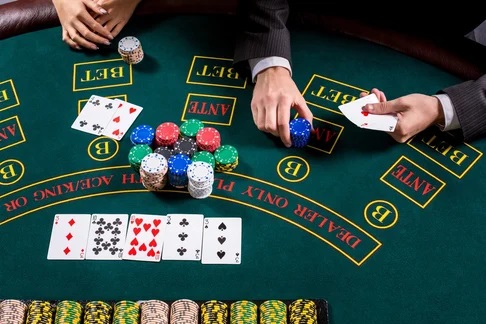
Casinos aren’t just about playing—they’re also about following unspoken rules that keep the games flowing smoothly. Good etiquette can make your experience more enjoyable, and even earn you better service.
General Etiquette Tips
- Don’t linger at a table unless you’re playing.
- Wait for a hand to finish before sitting down.
- Don’t use your phone at the table. Casinos take this very seriously.
- Don’t touch your bet once the dealer has started the round.
- Only touch your cards with one hand.
- Don’t collect your winnings until the dealer pushes them toward you.
- Always tip dealers and cocktail servers. A $1–$5 chip goes a long way toward good service.
Be a Good Sport
Whether you’re winning or losing, keep a positive attitude. Dealers and other players will appreciate your friendliness. You’ll often get better service—and sometimes even advice—if you’re pleasant.
How Casinos Keep You Playing
Casinos are designed to keep you engaged, often without you even realizing it.
- No clocks or windows: Time disappears inside a casino.
- Free drinks: Alcohol loosens your inhibitions and makes you spend more.
- Slot machine psychology: Bright lights, near-misses, and sounds trick your brain into thinking you’re close to a win.
- Chips instead of cash: It’s easier to gamble with chips than with dollar bills, because it doesn’t feel like real money.
Being aware of these tricks can help you stay in control.
Know When to Walk Away
The hardest part of gambling is knowing when to quit.
Don’t Chase Losses
The gambler’s fallacy convinces people they’re “due” for a win after a string of losses. In reality, the odds never change. If you’ve hit your loss limit, step away.
Quit While You’re Ahead
If you’ve doubled your bankroll, consider cashing out. The casino wants you to keep playing, but the smartest gamblers know when to pocket their winnings.
Watch Your Drinking
Casinos serve free cocktails for a reason: drunk players make riskier bets. Pace yourself, drink water between cocktails, and don’t gamble intoxicated.
Final Thoughts
Casino gambling is exciting, flashy, and full of possibilities—but it’s also risky, and the odds are never in your favor. By setting a budget, choosing the right games, following basic etiquette, and knowing when to quit, you can maximize your fun without emptying your wallet.
Remember, gambling should always be about entertainment, not about making money. If you walk away with winnings, consider it a bonus. If you lose your bankroll, think of it as payment for a night of fun, lights, and excitement.
If you’re ready to step into the casino for the first time, take these tips with you. With the right mindset, you can enjoy the thrill of the games without falling into the traps that keep so many players coming back broke.
FAQs
What is the best casino game for beginners?
Blackjack is often recommended for beginners because it’s easy to learn, has one of the lowest house edges, and allows you to use strategy. Roulette and slots are also beginner-friendly if you want something simpler.
How much money should I bring to a casino as a first-timer?
Decide on a fixed budget that you’re comfortable losing—think of it as the price of admission for entertainment. For many beginners, $100–$200 is enough for a night of casual play, though you can start with less.
Do casinos really give free drinks?
Yes, most casinos offer complimentary drinks to active players. However, remember the catch: alcohol can cloud your judgment and lead to riskier bets. Always tip your cocktail servers ($1–$5 per drink).
Can I improve my chances of winning at slots?
Slots are purely luck-based, so there’s no strategy to guarantee wins. The best you can do is pick machines with higher payout percentages and set limits to avoid overspending.
How do I avoid gambling addiction?
The key is discipline. Always set a budget before entering a casino, never chase your losses, and take regular breaks. If you find yourself unable to stop, seek professional help or call a gambling helpline.
Conclusion
Casino gambling can be a thrilling experience filled with excitement, flashing lights, and the promise of fortune. For beginners, the most important thing is to approach it with the right mindset: treat gambling as entertainment, not a guaranteed way to make money. By setting a firm budget, picking games with the best odds, and practicing good etiquette, you’ll enhance your enjoyment while minimizing risks. Remember that luck plays a huge role, and the house always has the advantage, so walking away with winnings is a bonus, not an expectation. Most importantly, know when to stop. With discipline, awareness, and a positive attitude, your first trip to the casino can be both fun and memorable.
