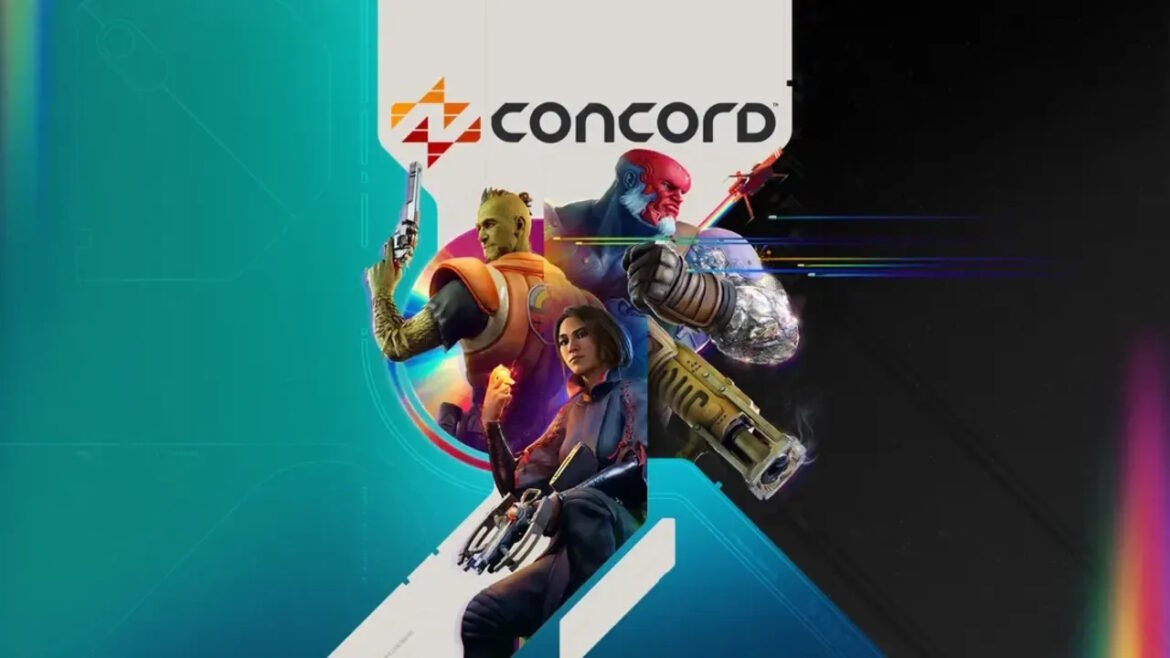
A move that has shocked both fans and industry observers, Sony Interactive Entertainment has announced the closure of Firewalk Studios, a Bellevue, Washington-based game development company. The announcement comes just 18 months after Sony acquired the studio and less than a month after the launch of Firewalk’s debut and only title, Concord. This development also includes the shutdown of German mobile developer Neon Koi, signaling broader internal restructuring within Sony’s game division.
Firewalk’s Brief History Comes to an End
Firewalk Studios was founded in 2018 as part of ProbablyMonsters, a game development collective that aims to create sustainable and supportive environments for its creative teams. ProbablyMonsters itself had positioned Firewalk as a flagship internal studio focused on premium multiplayer experiences.
The studio began as a promising new player in the competitive world of online games, with industry veterans from franchises like Destiny, Call of Duty, and Halo on its team. In April 2023, Sony officially acquired Firewalk Studios, indicating confidence in its direction and talent. This acquisition was expected to bolster Sony’s presence in the increasingly important live service games segment.
Concord’s Launch: A Short-Lived Endeavor
The anticipation surrounding Concord was significant. Officially revealed during the PlayStation Showcase in May 2023, the game was billed as a PvP first-person shooter designed for both PlayStation 5 and PC platforms. Hopes were high, particularly as Sony aimed to expand its live service portfolio, which had traditionally lagged behind rivals like Microsoft in online multiplayer offerings.
However, when Concord was released on August 23, 2024, the reception was lukewarm. Despite the team’s pedigree and the genre’s popularity, the game failed to capture a meaningful player base. Sony decided to price it at $39.99—unusual for a competitive shooter, especially when its most prominent competitors, such as Overwatch 2, Valorant, and Apex Legends, operate under a free-to-play model with ongoing monetization.
Marketing support was minimal, and many fans expressed confusion about the game’s purpose, direction, and value. Within just two weeks, Sony shut down Concord’s servers, issued refunds to customers, and announced the permanent discontinuation of the game.
The Fallout: Sony’s Official Statement and Internal Reactions
In a company-wide memo, Hermen Hulst, CEO of Sony Interactive Entertainment, acknowledged that the company had fallen short of its goals with Concord. He framed the closure of Firewalk Studios as part of a broader evaluation of Sony’s live service strategy.
“The PvP first-person shooter genre is a competitive space that’s continuously evolving, and unfortunately, we did not hit our targets with Concord,” Hulst wrote. “We will take the lessons learned from Concord and continue to advance our live service capabilities to deliver future growth in this area.”
The memo did not provide further information about the internal decision-making process or what specific lessons had been learned. However, it confirmed the closure of Firewalk Studios and the German mobile game developer Neon Koi.
Job Losses and Community Impact
The Washington State Employment Security Department later confirmed that 174 jobs were cut at Firewalk Studios as part of the closure. For a company that was founded on values of stability, sustainability, and employee-first culture, the mass layoff is a sobering outcome.
Neither Sony nor ProbablyMonsters has commented on whether the affected employees would be relocated or supported during their transition. The gaming community has since voiced concern and frustration, particularly with the rapidity and finality of Sony’s decision to abandon Concord.
An Oversaturated Genre and Strategic Missteps
The competitive shooter space is among the most difficult genres in the gaming industry. With established titans like Counter-Strike 2, Call of Duty: Warzone, Fortnite, and Valorant commanding enormous user bases, any new entrant must offer not only innovation but significant marketing support, community engagement, and ongoing updates.
Firewalk’s Concord, while polished in some aspects, failed to distinguish itself meaningfully. Some players noted that the game had engaging mechanics and visually striking environments, but it lacked the depth, balance, and community tools needed to thrive in today’s competitive market.
Moreover, Sony’s decision to charge for Concord rather than opt for a free-to-play model left it at a distinct disadvantage. Without a strong community or robust player onboarding experience, even the most well-designed multiplayer games can struggle.
Firewalk’s Final Statement and Reflection
In a blog post published shortly after the server shutdown, Ryan Ellis, Game Director at Firewalk, expressed disappointment but also appreciation for the players who supported the studio’s vision.
“While many qualities of the experience resonated with players, we also recognize that other aspects of the game and our initial launch didn’t land the way we’d intended,” he wrote. “Therefore, at this time, we have decided to take the game offline… and explore options, including those that will better reach our players.”
This statement, while respectful and reflective, marked the official end of Firewalk’s journey. The studio’s dream of creating a standout multiplayer experience ultimately clashed with the harsh realities of the industry’s live service model.
Industry-Wide Layoffs and a Harsh Market Reset
Firewalk’s closure is not an isolated event. The global gaming industry has been undergoing a significant correction over the past two years. After experiencing exponential growth during the COVID-19 lockdowns of 2020 and 2021, gaming companies overhired and expanded too rapidly.
As economic realities began to hit in 2023 and 2024, many developers began downsizing or shuttering altogether. By mid-2025, over 10,000 jobs had been lost across the gaming sector. Prominent studios at Microsoft, Embracer Group, Ubisoft, and even indie collectives have not been immune to the economic downturn and shifting market dynamics.
Analysts suggest this is part of a necessary, though painful, market correction. Revenue plateaus, player fatigue with the games-as-a-service model, and rising development costs have all contributed to the ongoing turmoil.
Firewalk’s Legacy and What Comes Next
While Firewalk’s life as a studio was short, it serves as a case study in the volatility of today’s gaming industry. Its team, many of whom came from legendary franchises, proved that even deep experience cannot guarantee success without the right conditions and support.
What remains to be seen is how Sony will move forward. The company still has several live service projects in development, including Fairgame$ by Haven Studios and Marathon by Bungie. Whether those projects will meet a similar fate or benefit from the hard lessons of Concord is unclear.
For the developers who poured years into Concord, the closure represents more than a business loss—it’s a personal and creative setback. As always, the hope is that the displaced talent will land on their feet and bring their expertise to new, supportive environments.
FAQs
Why did Sony shut down Firewalk Studios?
Sony closed Firewalk Studios due to the commercial failure of Concord, its only game. The game did not meet performance expectations in a highly competitive shooter market, and Sony decided to permanently end its development and the studio behind it.
What was Concord, and why did it fail?
Concord was a multiplayer first-person shooter developed by Firewalk Studios. It struggled due to a combination of poor marketing, an unpopular pricing model, and tough competition from established free-to-play titles like Valorant and Overwatch 2.
Were any employees laid off due to the studio’s closure?
Yes. According to filings with the Washington State Employment Department, 174 employees were laid off as a result of Firewalk’s closure.
Is this part of a larger trend in the gaming industry?
Yes. The gaming industry has seen widespread layoffs and studio closures over the past two years, with over 10,000 job losses recorded in 2024 alone. These are part of a larger market correction after explosive growth during the pandemic years.
What does this mean for Sony’s future in live service games?
While Concord’s failure is a setback, Sony remains committed to growing its live service offerings. Other titles like Fairgame$ and Marathon are still in development. Sony has indicated it will apply lessons from Concord to improve future efforts.
Conclusion
The closure of Firewalk Studios just weeks after launching Concord highlights the unforgiving nature of today’s video game industry. Despite solid experience and support, a misstep in strategy, pricing, or execution can prove fatal. Sony’s swift exit from the project suggests that major publishers are becoming less patient with underperforming titles. As the industry continues to reset, Firewalk’s story will serve as a stark reminder of both the immense potential and immense risk involved in game development.
