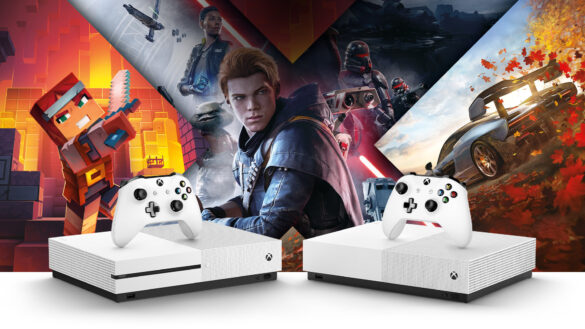
Microsoft has confirmed that it officially ended production of its Xbox One consoles in late 2020, signaling a significant strategic shift in its gaming division. While the news only became public in early 2022, the move aligns with Microsoft’s broader focus on the Xbox Series X|S and its evolving approach to gaming as a platform rather than just hardware.
The Xbox One, once Microsoft’s flagship entry into the eighth generation of video game consoles, has now quietly transitioned into legacy status. Rather than extending the life of the hardware alongside newer devices—as Sony is doing with the PlayStation 4—Microsoft has opted for a more decisive break.
A Look Back at the Xbox One’s Lifecycle
Launched in November 2013, the Xbox One represented Microsoft’s third home console, following the original Xbox and the Xbox 360. It debuted during a turbulent time, facing criticism over its always-online requirements, digital rights management policies, and a heavy emphasis on TV and multimedia features over gaming.
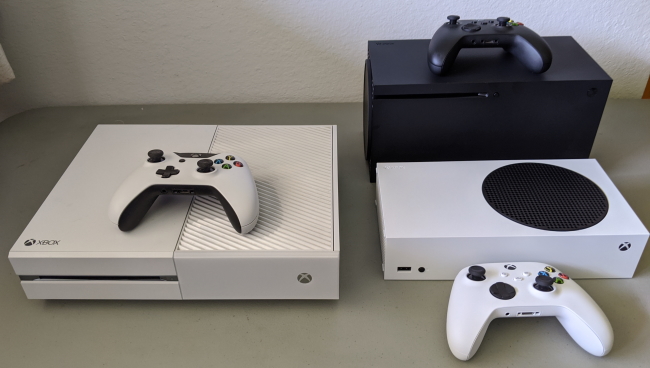
Despite a rough start, Microsoft gradually reshaped the Xbox One’s image, improving software features and releasing more consumer-friendly hardware versions. By the end of its lifecycle, the Xbox One existed in three primary models:
- Xbox One S (2016): A smaller, more refined version of the original, with 4K video playback support and HDR for games.
- Xbox One S All-Digital Edition (2019): A disc-less variant focused entirely on digital downloads.
- Xbox One X (2017): A powerful mid-generation refresh that aimed to offer true 4K gaming performance, outperforming Sony’s PlayStation 4 Pro at the time.
Production Quietly Ceased in 2020
Although Microsoft had initially planned to continue producing the Xbox One S into the next generation, it stopped all production by the end of 2020. The Xbox One X and All-Digital Edition had already been discontinued earlier that year, in July.
The news wasn’t publicly disclosed until a Microsoft spokesperson confirmed it to The Verge more than a year later. This decision, made quietly amid a rapidly evolving hardware landscape and global chip shortages, largely flew under the radar until the scarcity of older consoles prompted questions from consumers and analysts alike.
The Rise of Xbox Series X and Series S
Microsoft’s strategic pivot became clear in November 2020 with the launch of the Xbox Series X and Series S—two consoles designed to redefine the Xbox experience.
- Xbox Series X delivers top-tier performance with 4K gaming, ultra-fast SSD storage, and support for ray tracing.
- Xbox Series S offers a more affordable alternative with digital-only access, targeting casual gamers and digital adopters.
Phil Spencer, Head of Xbox, revealed that the Series X|S is the fastest-selling Xbox generation to date. Despite global supply constraints and fierce competition, Microsoft has seen strong demand, particularly for the Series S, which remains more widely available.
A surprising twist, the new generation has even begun to perform well in historically challenging markets such as Japan—outpacing total Xbox One sales in the country within just a couple of years.
The Legacy of the Xbox One
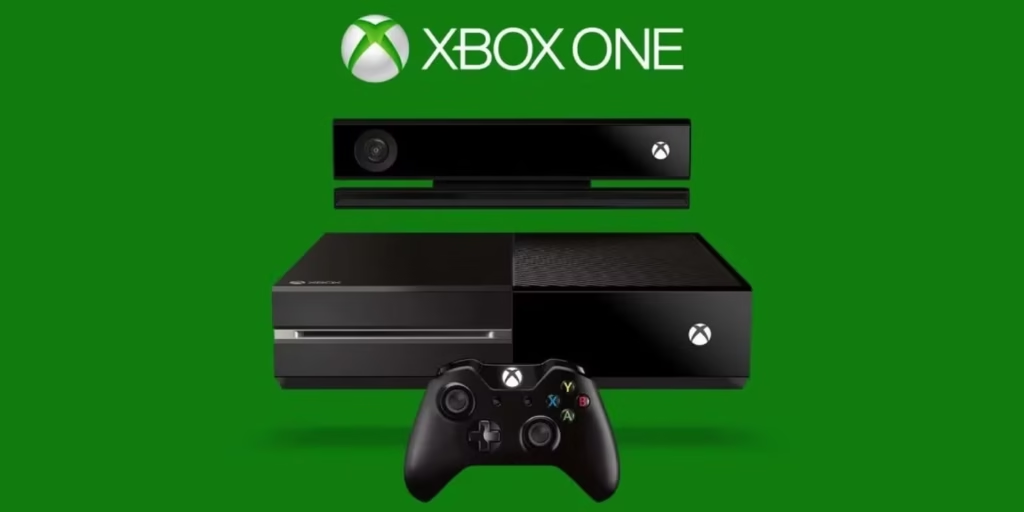
With estimated lifetime sales of around 51 million units, the Xbox One falls short compared to both its predecessor, the Xbox 360, and its primary rival, the PlayStation 4, which has surpassed 117 million units sold.
Yet the Xbox One’s legacy isn’t merely defined by sales. The console era introduced several pivotal developments that now form the core of the Xbox platform today:
- Backward Compatibility: Microsoft made a significant push to support older Xbox 360 and original Xbox titles, setting a precedent for the Series X|S.
- Game Pass Integration: Xbox Game Pass began its rise during the Xbox One generation, offering Netflix-style access to a library of games.
- Cloud Gaming Foundation: The groundwork for Xbox Cloud Gaming (formerly xCloud) began on Xbox One, laying the path for Microsoft’s future in game streaming.
In hindsight, the Xbox One served as a transitional device—a stepping stone between the traditional console model and Microsoft’s vision for a service-oriented gaming ecosystem.
Market Differences Between Microsoft and Sony
Microsoft’s decision to discontinue Xbox One production contrasts sharply with Sony’s approach to its eighth-generation console, the PlayStation 4. As reported by Bloomberg, Sony plans to manufacture roughly one million additional PS4 units through 2022 to help mitigate ongoing shortages of the PlayStation 5.
Sony’s strategy reflects a more conservative, hardware-first philosophy. By maintaining availability of its previous-gen consoles, Sony hopes to satisfy consumer demand while buying time for PS5 production to catch up.
Microsoft, by contrast, seems more interested in pushing its users to adopt the newer Series X|S consoles or engage through Game Pass and Xbox Cloud Gaming—services accessible across PC, mobile, and even smart TVs.
A Service-First Strategy for the Xbox Brand
For Microsoft, hardware has increasingly become just one part of the Xbox equation. The company’s focus is shifting toward growing its subscriber base through services like:
- Xbox Game Pass
- Xbox Live Gold
- Cloud streaming on mobile and web
- Cross-platform play and save functionality
This emphasis on ecosystem over hardware has allowed Microsoft to frame Xbox as a broader entertainment platform—one that isn’t tethered exclusively to a console. This also helps explain the company’s willingness to sunset the Xbox One without fanfare.
Changing the Business Model of Gaming
Unlike traditional console strategies, which rely on razor-thin margins (or even losses) on hardware sales to drive software revenue, Microsoft is positioning its Xbox brand to thrive with or without console dominance.
This is a model similar to Netflix: prioritize user engagement and retention through a strong digital library and seamless access. With Game Pass reaching millions of subscribers and continuing to add day-one releases from major studios, including Microsoft’s own acquisitions like Bethesda and Activision Blizzard (pending final regulatory approvals), the company’s long-term play is clear.
FAQs
When did Microsoft officially stop producing the Xbox One?
Microsoft ceased production of all Xbox One consoles by the end of 2020. While the discontinuation wasn’t publicly disclosed at the time, the company confirmed it more than a year later in response to inquiries about console availability.
Why did Microsoft end Xbox One production so quietly?
The decision was likely influenced by ongoing supply chain constraints and a shift in focus to the newer Xbox Series X|S consoles. Quietly ending production also helped Microsoft manage consumer expectations and avoid overshadowing the launch of its next-gen devices.
Is the Xbox One still supported with software updates and games?
Yes. Although hardware production has ended, Microsoft continues to support Xbox One through system updates and game releases. Many new titles are still compatible with Xbox One, especially through Xbox Game Pass and cross-generation releases.
How does this compare with Sony’s approach to the PlayStation 4?
Sony has taken a different path, choosing to continue manufacturing the PS4 into 2022 to help meet consumer demand amid PS5 shortages. This highlights contrasting strategies: Sony continues supporting older hardware, while Microsoft pivots toward future growth through services and next-gen consoles.
Can players still buy Xbox One consoles and games?
While new consoles are no longer being manufactured, refurbished and second-hand Xbox One systems remain available through third-party retailers. Games and accessories are still widely sold, and digital titles can be accessed via the Microsoft Store.
Conclusion
The quiet end of the Xbox One marks the end of a significant chapter in Microsoft’s gaming history. While not the most commercially dominant console, the Xbox One laid the foundation for many of the services and innovations that now define the Xbox ecosystem. Its legacy lives on through Game Pass, cloud streaming, and the more powerful and refined Series X|S.
Microsoft’s choice to shift focus toward next-gen hardware and digital services reflects a changing philosophy—one that looks beyond the console wars and toward a future where Xbox is more of a platform than a product. As gaming continues to evolve across devices and ecosystems, the Xbox One may one day be remembered less for its own achievements and more for the doors it helped open.
