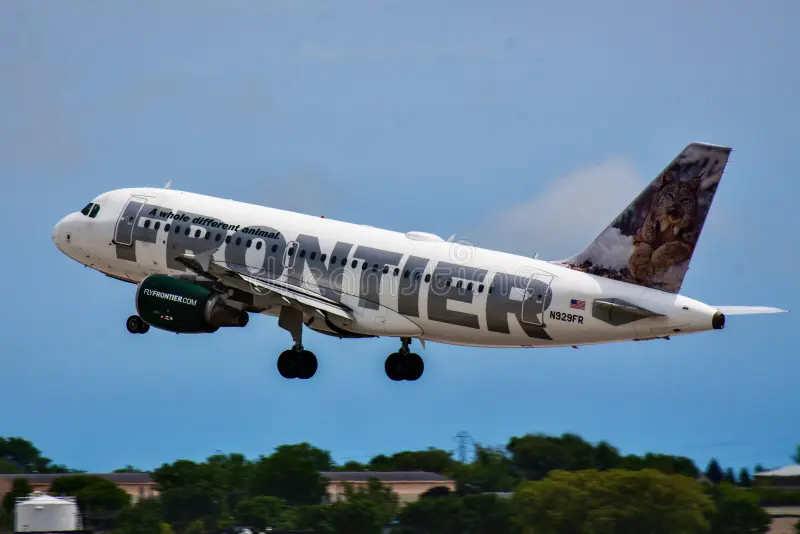
Frontier Redeye Airlines has long branded itself as a unique player in the aviation industry, famously declaring in its 2003 marketing campaign that it was “a whole different kind of animal.” Back then, Frontier was a quirky regional carrier based in Denver, appealing to a niche audience, particularly the anti-corporate crowd prevalent in the Mountain West. The airline carved out a loyal following with its distinctive animal-themed plane tails and the nostalgic charm of freshly baked chocolate chip cookies served onboard. Frontier went toe-to-toe with legacy giants like United Airlines in its Denver hub, earning a reputation for affordability and a touch of personality.
Fast forward to 2025, and Frontier’s identity has evolved dramatically. The cuddly koala of yesteryear has been replaced by a scrappier, more opportunistic creature—think a raccoon or opossum rummaging through the edges of the airline industry’s metaphorical trash cans. Frontier’s modern strategy revolves around agility, darting into lucrative markets, testing routes, and quickly abandoning those that don’t yield profits. The airline’s ultra-low-cost carrier (ULCC) model offers jaw-dropping fares but nickel-and-dimes passengers for nearly every additional service, from seat assignments to checked bags. This essay recounts a personal experience flying Frontier on a budget-conscious work trip, exploring the airline’s operational quirks, seat assignment strategies, and the high-stakes gamble of securing a desirable seat without paying extra. It also examines Frontier’s broader business model, its impact on passengers, and the trade-offs of choosing an ultra-low-cost carrier in today’s aviation landscape.
Frontier’s Evolution: From Regional Darling to Ultra-Low-Cost Maverick
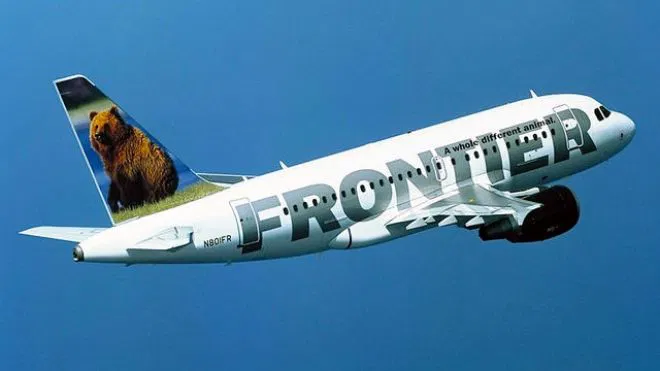
In its early days, Frontier Airlines positioned itself as a regional underdog with a knack for customer loyalty. The airline’s fleet, adorned with vibrant images of wildlife like bears, wolves, and eagles, became a hallmark of its brand. Passengers appreciated the small touches, like warm cookies, which set Frontier apart from the sterile efficiency of larger competitors. Operating primarily out of Denver, Frontier competed fiercely with United, leveraging its affordability and charm to attract leisure travelers and locals alike.
Today, Frontier operates as one of the leading ultra-low-cost carriers in the United States, alongside competitors like Spirit Airlines and Allegiant Air. The ULCC model prioritizes rock-bottom base fares, with revenue generated through ancillary fees for services such as baggage, seat selection, and onboard refreshments. Frontier’s strategy is dynamic and opportunistic: it enters markets with high demand, tests profitability, and exits quickly if a route underperforms. This approach allows Frontier to remain lean and competitive, but it also creates a perception of unpredictability for passengers accustomed to the consistency of legacy carriers.
Frontier’s fleet has grown significantly, and its network now spans major cities across the U.S., Mexico, and the Caribbean. However, its focus remains on offering the lowest possible fares, often undercutting competitors by hundreds of dollars. For example, a round-trip ticket from Denver to Philadelphia might cost as little as $49, compared to $200 or more on United or American Airlines. But these savings come with trade-offs: no free snacks, no complimentary seat assignments, and a bare-bones in-flight experience. Frontier’s business model thrives on upselling, encouraging passengers to pay for extras like extra legroom seats, priority boarding, or even a carry-on bag.
A Personal Journey: Flying Frontier Redeye on a Budget
As a frequent flyer with United Airlines’ Premier 1K status, I typically opt for the perks of legacy carriers—Economy Plus seating, potential upgrades, valuable mileage accrual, and robust protection during travel disruptions. However, for a recent work trip to the East Coast, Frontier’s fares were too enticing to ignore. The airline offered a one-way ticket from Denver to Philadelphia for several hundred dollars less than United’s lowest fare, even after factoring in Frontier’s $30 checked bag fee. The catch? The flight was a redeye, departing at 1:20 AM on a Sunday morning—a schedule that would test any traveler’s endurance. Still, the savings were substantial enough to justify the inconvenience.
Navigating Frontier’s Seat Assignment Maze
One of Frontier’s most prominent ancillary revenue streams is its seat assignment fees. For my flight, the airline charged $12 to select a seat in the back of the plane, $24 for a standard seat closer to the front, and $40 for premium seats with extra legroom, such as those in the first few rows or exit rows. Frontier occasionally offers a limited number of middle seats in the back for free, but none were available when I booked my ticket a month in advance.
Given my goal of maximizing savings, I decided to forgo the seat selection fee entirely. As a solo traveler leaving my wife and three young children at home, I figured even the worst seat—say, a middle seat near the lavatory—would feel like a reprieve compared to my usual routine of managing tablets and snacks for my kids. The seat map at booking showed a mostly empty plane, with only a handful of seats occupied in the $12 section and virtually none in the premium sections. This led me to believe the flight was lightly booked, a reasonable assumption for a redeye departing in the early hours of a Sunday.
The Seat Assignment Strategy: A Game of Patience
Frontier’s online check-in process opens 24 hours before departure, and this is where the seat assignment game intensifies. As the departure date approached, I periodically checked the seat map to monitor occupancy. The back of the plane gradually filled, but it still appeared relatively sparse. However, once check-in opened, the seat map changed dramatically. Frontier’s algorithm automatically assigns seats to passengers who haven’t paid for a selection, prioritizing the cheaper $12 seats in the back. By midday Saturday—about 12 hours before departure—the $12 seats were nearly gone, while the $24 and $40 seats remained largely available.
At this point, I realized the flight was far more popular than I had anticipated. A quick check on Frontier’s website revealed that tickets were no longer available for purchase, suggesting the flight was either sold out or close to it. I debated checking in early to secure a seat, but with most of the cheap seats already taken, I saw little benefit in rushing. My strategy was to wait until the last possible moment, hoping to snag a premium seat that remained unassigned.
Coming Down to the Wire
As I headed to the airport, the seat map showed nearly all $12 and $24 seats occupied. Two $12 seats briefly became available, likely due to cancellations or reassignments, but they quickly filled. By the time I arrived at the airport, only one seat remained: an exit row aisle seat, one of the $40 premium options. This was my moment of truth. I completed check-in via the Frontier app about an hour before departure, and the boarding pass displayed an ominous “Seat 0.” This ambiguous assignment left me wondering if I had secured the coveted exit row seat or if I was at risk of being involuntarily denied boarding (IDB) due to my lack of a confirmed seat.
At the check-in counter, I handed over my bag and engaged in light conversation with the agent. He asked if I could lift 35 pounds, a standard question for exit row passengers responsible for assisting in emergencies. I assured him I could, despite my recent absence from the gym. Moments later, he handed me a boarding pass for seat 13D—the exit row aisle, arguably the best seat on the plane. I had gamed Frontier’s seat assignment algorithm and scored a $40 seat for free.
A Close Call: The Risk of Overbooking
My victory came with a dose of uncertainty. The agent revealed that the flight was overbooked by two passengers, and I had been assigned the last available seat. The two passengers behind me in line, possibly bound for Philadelphia, faced the risk of being bumped. As it turned out, the flight boarded without incident, and the exit row seat across from me remained empty—the only unoccupied seat on the plane. This suggested that Frontier either resolved the overbooking or that the remaining passengers found alternative arrangements.
Analyzing Frontier’s Seat Assignment Algorithm
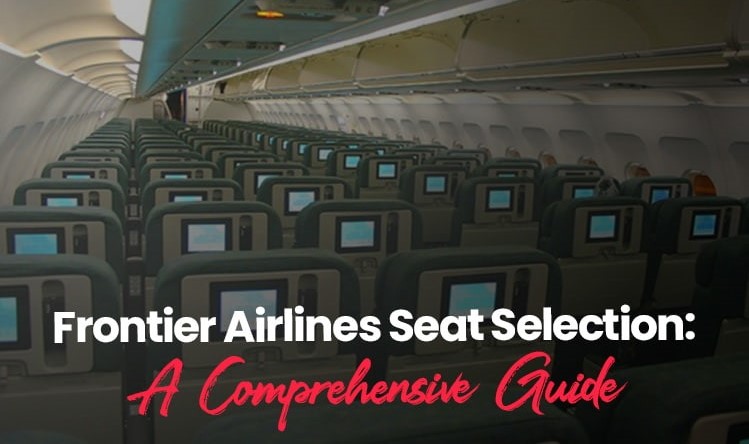
Frontier’s seat assignment process is a calculated system designed to maximize ancillary revenue while ensuring operational efficiency. Passengers who pay for seat selection have priority, with the cheapest seats ($12) filling first, followed by the $24 and $40 options. Those who opt out of seat selection, like me, are assigned seats at check-in, typically from the remaining pool of less desirable options. However, as my experience demonstrates, waiting until the last minute can occasionally yield a premium seat if the flight is full and only high-value seats remain unassigned.
This strategy is not without risks. Frontier, like most airlines, overbooks flights to account for no-shows, and passengers without confirmed seats are the most vulnerable to being involuntarily denied boarding. In my case, the flexibility of my travel plans—arriving in Philadelphia a day early—made the gamble worthwhile. Had I needed to reach my destination on a strict schedule, the uncertainty of not having a confirmed seat could have been a dealbreaker.
Frontier’s Business Model: A Double-Edged Sword
Frontier’s ultra-low-cost model is both its greatest strength and its most significant drawback. For budget-conscious travelers, the airline offers unparalleled savings, making air travel accessible to those who might otherwise be priced out. However, the trade-offs are stark: cramped seats, minimal amenities, and a relentless push to upsell. Frontier’s in-flight experience is bare-bones, with no complimentary snacks or drinks, and even basic services like carry-on bags come with a fee. The airline’s fleet, primarily composed of Airbus A320 and A321 aircraft, is configured for maximum density, with tight seat pitches and limited recline.
Despite these challenges, Frontier’s approach resonates with a specific demographic: price-sensitive leisure travelers, young professionals, and those willing to sacrifice comfort for savings. The airline’s animal-themed branding and playful marketing continue to lend it a distinctive identity, even as its operational model aligns closely with other ULCCs. Frontier’s ability to offer fares as low as $19 or $29 one-way has disrupted the industry, forcing legacy carriers to introduce basic economy fares to compete.
The Passenger Experience: Expectations vs. Reality
Flying Frontier requires a mindset shift. Passengers accustomed to the predictability and perks of legacy carriers may find Frontier’s approach jarring. The lack of free seat assignments, combined with the pressure to pay for extras, can feel like a bait-and-switch for first-time flyers. However, for those who understand the ULCC model and plan accordingly, Frontier can deliver significant value.
My experience highlights the importance of strategic planning when flying Frontier. By researching the seat assignment process and monitoring the seat map, I was able to secure a premium seat without additional cost. However, this required time, patience, and a willingness to accept the risk of overbooking. For less experienced travelers, the process can be overwhelming, particularly when faced with a barrage of upselling prompts during booking and check-in.
Lessons Learned and Tips for Flying Frontier
Based on my experience, here are some tips for navigating Frontier’s ultra-low-cost model:
- Book Early, But Be Flexible with Seats: Purchase tickets well in advance to secure the lowest fares, but consider skipping seat selection if you’re willing to take a chance on the algorithm. Monitor the seat map as departure approaches to gauge availability.
- Check-In Strategically: If you’re aiming for a free premium seat, wait until close to departure to check in, but be aware of the risk of overbooking. For essential travel, check in early to secure a confirmed seat.
- Pack Light: Frontier’s baggage fees can quickly erode savings. Opt for a personal item (free) over a carry-on or checked bag if possible.
- Expect Minimal Amenities: Bring your own snacks and entertainment, as Frontier offers little beyond the seat itself.
- Know Your Priorities: If comfort or schedule reliability is critical, consider a legacy carrier. Frontier is best for those prioritizing cost over convenience.
FAQs
What is Frontier Airlines’ seat assignment policy?
Frontier charges for seat selection: $12 for seats in the back, $24 for standard seats closer to the front, and $40 for premium seats with extra legroom (e.g., exit rows or front rows). Passengers who don’t pay for a seat are automatically assigned one at check-in, typically from less desirable options, though strategic timing can sometimes yield a premium seat for free.
How can I avoid paying extra fees on Frontier?
To minimize fees, book early for the lowest fares, travel with only a personal item (free), skip seat selection if you’re flexible, and bring your own snacks. Check in strategically to potentially snag better seats without paying, but be cautious of overbooking risks.
Why does Frontier charge for so many extras?
As an ultra-low-cost carrier (ULCC), Frontier keeps base fares low by charging for extras like baggage, seat selection, and onboard refreshments. This model allows budget-conscious travelers to customize their experience while keeping costs down for those who opt out of add-ons.
What happens if a Frontier flight is overbooked?
Frontier may overbook flights to account for no-shows. Passengers without confirmed seats, especially those who don’t pay for seat selection, are at higher risk of being involuntarily denied boarding (IDB). Volunteers may be offered compensation, but it’s best to check in early if your travel plans are inflexible.
Is Frontier a good choice for frequent flyers used to legacy carriers?
Frontier is ideal for budget travelers prioritizing low fares over comfort. Frequent flyers accustomed to perks like upgrades or free amenities (e.g., United Premier 1K members) may find Frontier’s bare-bones experience lacking, but it can be a cost-effective option for flexible, price-sensitive trips.
Meta Description
Conclusion
Frontier Airlines remains a distinctive player in the aviation industry, embodying the scrappy, opportunistic spirit of its raccoon-like persona. Its ultra-low-cost model delivers unmatched affordability but demands flexibility and strategic planning from passengers. My experience scoring a free exit row seat on an overbooked redeye flight underscores the potential rewards of gaming Frontier’s system, but also the inherent risks. For budget travelers willing to embrace the trade-offs, Frontier offers a compelling option. However, for those valuing predictability and comfort, the cuddly koala of Frontier’s past may feel like a distant memory, replaced by a leaner, less forgiving creature navigating the competitive skies of 2025.
