Emirates has long held a reputation for offering one of the most iconic and luxurious first-class products in the sky. At present, the airline features three distinct versions of this elite experience—found on its Airbus A380s and both the old and new variants of its Boeing 777 fleet. This article offers a side-by-side comparison of these first-class products and explores which one truly delivers the best in comfort, amenities, and overall experience.
A Trio of Premium Options
Emirates operates a fleet that primarily consists of Airbus A380s and Boeing 777s. While the fleet may seem streamlined, the variety within its premium cabins tells a different story. The comparison between the A380’s expansive layout and the Boeing 777’s first class iterations offers an interesting glimpse into the brand’s evolution. Although one might instinctively favor the newer product, the A380 still maintains unique features that can make it the preferred choice for certain travelers. Looking ahead, Emirates will soon integrate newer aircraft types—such as the Airbus A350, Boeing 787, and Boeing 777X—into its fleet, promising further upgrades to the premium flying experience.
Inside the A380 Experience
Emirates’ A380s are among the most recognized aircraft in the world, especially within aviation circles. Yet, despite their fame, the first class cabin on this jet isn’t as advanced as one might expect. With 14 seats configured in a relatively compact space, the cabin may lack the privacy offered by competitors. Singapore Airlines, for instance, fits just six first class seats into a similar footprint, while Etihad manages to install 10—including its ultra-luxurious Residence suite. So, when measured purely by seat innovation and privacy, the A380 may fall short.
What sets the A380 apart, however, are its signature inflight experiences. The onboard shower suites—an experience exclusive to Emirates—remain a standout feature, offering the novelty of freshening up mid-flight. Additionally, the business class bar located at the rear of the upper deck creates a relaxed, social atmosphere that few airlines can replicate.
While Emirates has made subtle upgrades over time—introducing newer finishes, upgraded shower suite décor featuring the ghaf tree motif, and even premium economy on some jets—the core experience remains consistent. These slight differences are most noticeable on aircraft that have undergone more recent refurbishments.
The Old Boeing 777 First Class Cabin
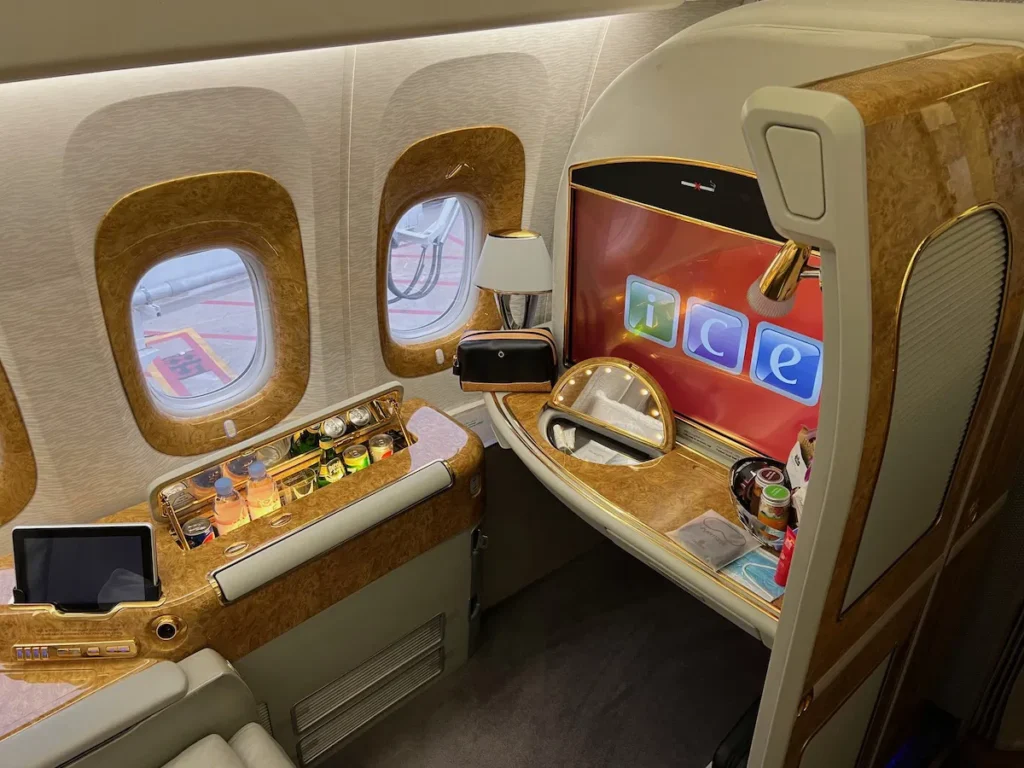
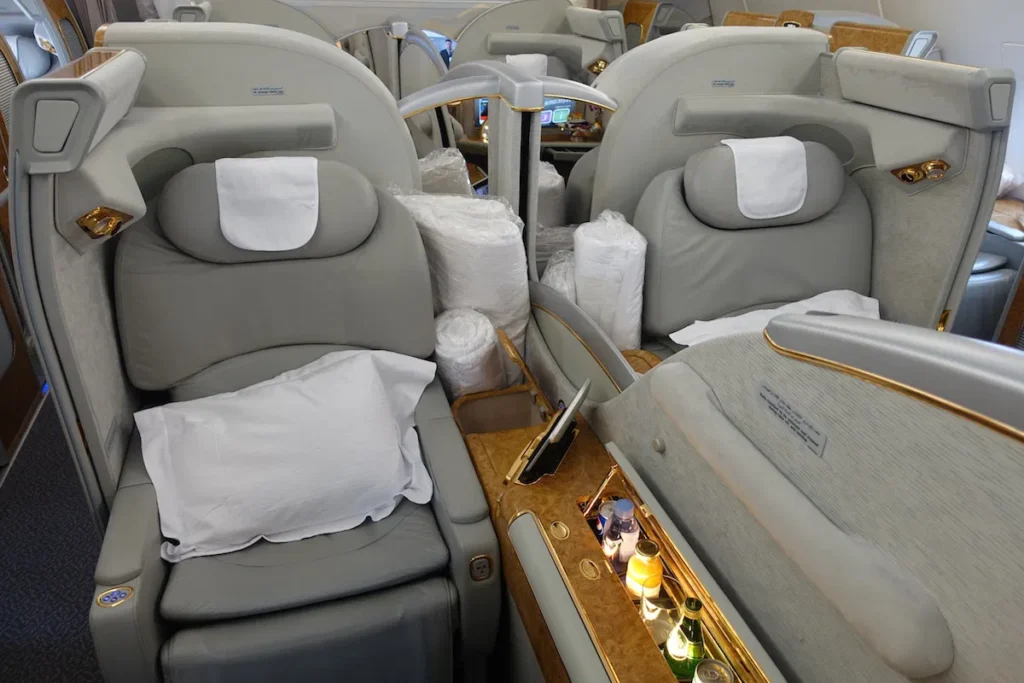
Emirates operates more Boeing 777s than A380s, and the majority of these widebodies still feature the airline’s earlier first class design. Although the seating itself closely resembles what’s offered on the A380, the 777 layout has its own advantages. With only eight seats arranged in a 1-2-1 layout, the cabin feels more exclusive and benefits from the 777’s wider and taller fuselage. This sense of spaciousness contributes to a more comfortable experience, and the reduced seat count often translates to more attentive service.
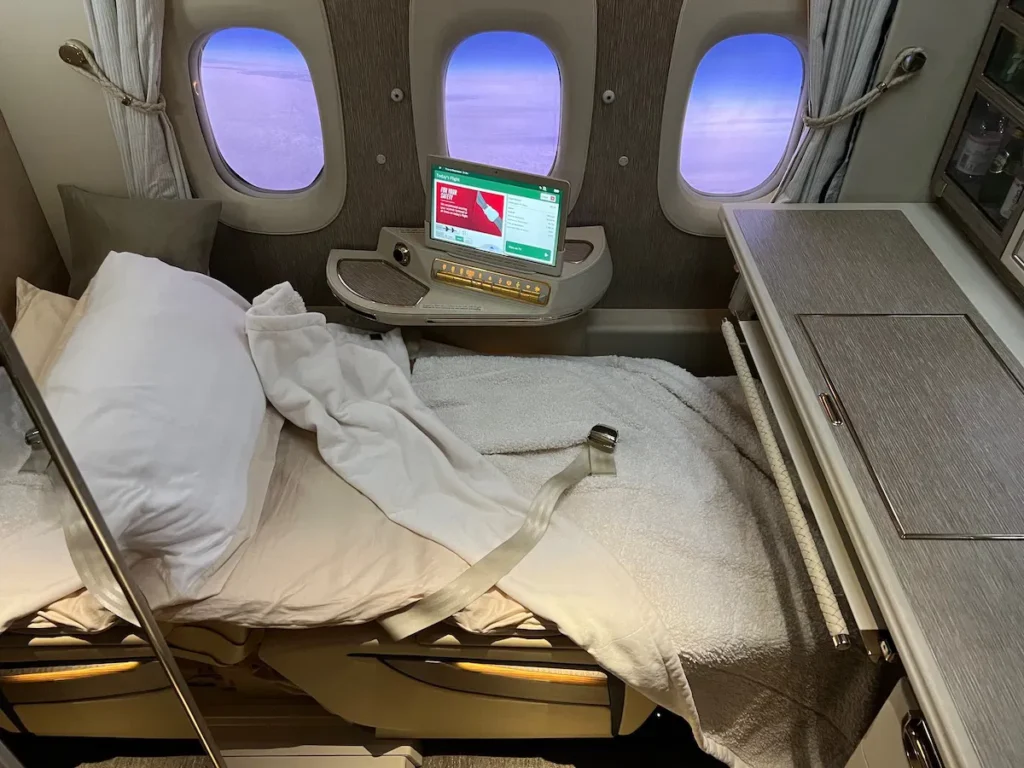
That said, passengers won’t find an onboard bar or shower on the 777, which might be a drawback for those seeking the novelty of the A380’s amenities. However, for travelers prioritizing peace, privacy, and direct aisle access, this cabin still provides a premium, well-rounded offering.
A Glimpse into the Future: The New 777 First Class
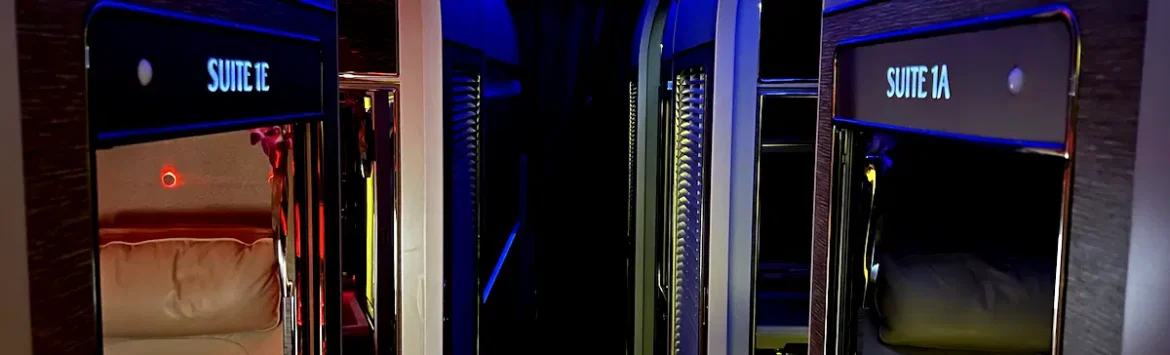
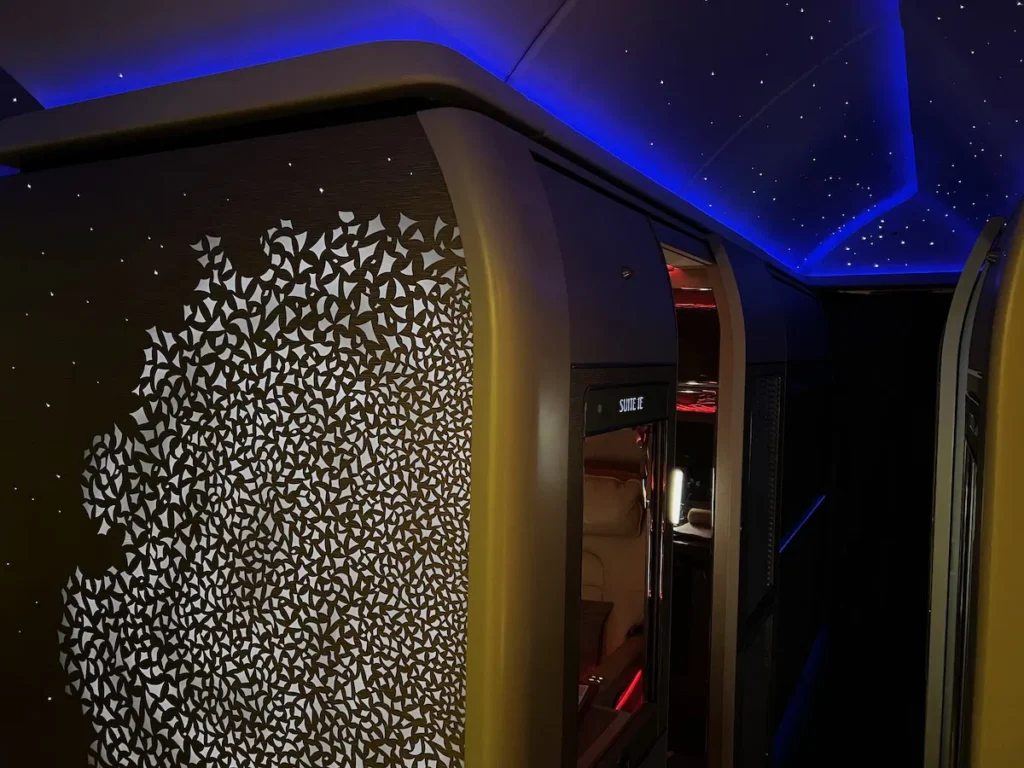
When it comes to luxury in the sky, Emirates’ new 777 first class redefines the standard. With just six fully enclosed suites, this cabin is more reminiscent of a private hotel room than an airline seat. Each suite offers floor-to-ceiling doors, personal climate and lighting control, and even virtual windows for middle seats. A video-based room service feature and a multitude of tech enhancements complete the ultra-modern experience.
While this is arguably the most private and high-tech first class in the world, it does come with limitations. The lack of a shared dining option or a way to combine suites makes this product less ideal for those flying with a companion. The absence of an onboard bar and shower also takes away some of the A380’s playful charm.
Moreover, availability remains a challenge. Only nine aircraft in Emirates’ massive fleet feature this product, making it rare and difficult to book. Most travelers flying on the 777 will still find themselves in the older first class layout.
Choosing the Best Option
Selecting the right Emirates first class product depends heavily on your travel preferences. For solo travelers seeking maximum privacy, the new 777 first class stands out as the top pick. Its enclosed design and tech-forward suite layout offer a cocoon-like experience that few airlines can match.
Those traveling with a companion may lean toward the A380, thanks to its more social features. From showering at 40,000 feet to sipping cocktails in the onboard bar, the A380 offers an element of fun that turns a flight into an experience. However, if the flight is overnight and sleep is the top priority, the older 777 first class—with its quieter cabin and fewer passengers—might prove the more restful option.
In reality, the opportunity to fly the new 777 first class will be rare for most passengers, given its limited rollout. As a result, the majority of travelers will typically find themselves choosing between the A380 and the older 777 product.
Final Thoughts
Emirates continues to set a high bar in the world of luxury air travel. Each of its first class offerings has something to love—whether it’s the glamour and novelty of the A380, the refined simplicity of the old 777, or the game-changing privacy of the new 777 suite. While the new first class leads the way in innovation, the A380 keeps things fun with its exclusive amenities, and the older 777 maintains its charm through a more intimate, well-serviced experience.
