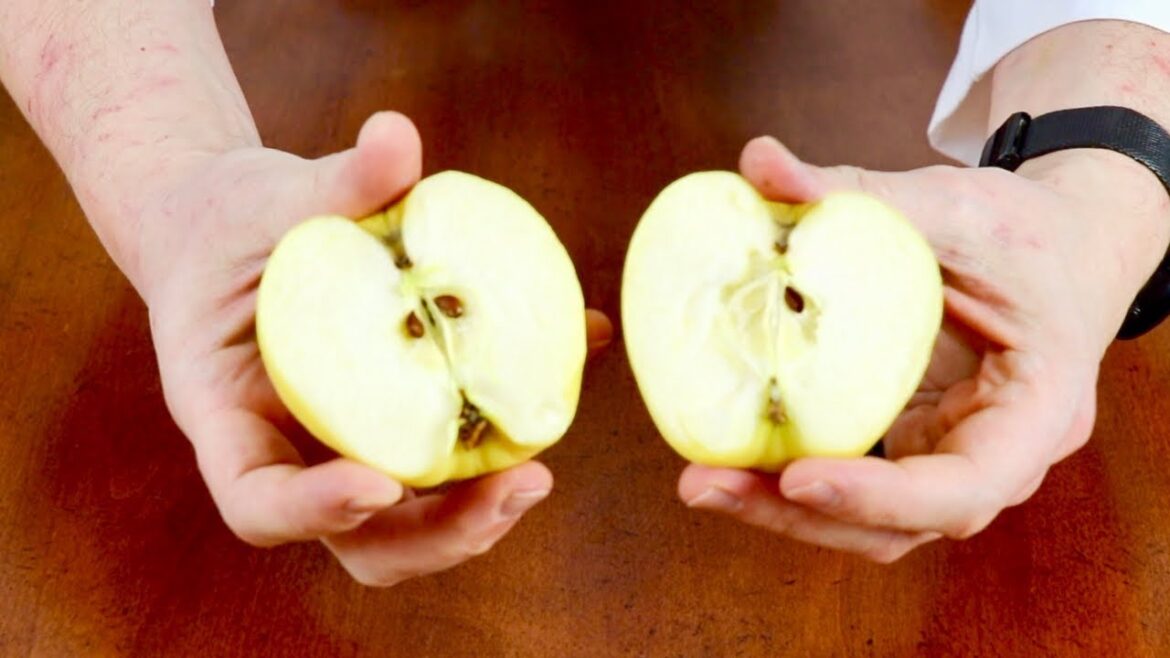
There are everyday tricks that feel magical, and splitting an apple with your bare hands is one of them. No knives, no gadgets, just you and the fruit, a simple yet impressive move that grabs attention at any table. For centuries, people have relied on this technique both for convenience and as a show of skill.
Many consider it a lost art in the modern world, where convenience tools dominate kitchen routines. Yet with a little practice, anyone can master this natural method of breaking an apple in two equal parts. It is more than a party trick; it can be practical, safe, and efficient. Imagine preparing fruit for children without worrying about sharp blades or simply enjoying a snack outdoors with no equipment.
The appeal of this technique also lies in its universal accessibility. You do not need specialized training, significant strength, or secret tricks passed down through generations. You need patience, an understanding of apple structure, and the willingness to practice. Alongside the authentic hand-splitting method, there are small cheats that make the process easier for beginners who want to impress quickly.
The Science Behind Splitting Apples
Apple Anatomy Basics
An apple is structured with skin, flesh, and a core that holds seeds. The skin adds tension, while the core acts like a central backbone. Knowing this structure helps because splitting relies on natural weak points in the fruit.
Pressure Distribution
When equal pressure is applied near the stem, the apple often splits smoothly along its core. Hands positioned correctly use leverage instead of brute force. Even someone without strong grip power can learn this by focusing pressure strategically.
Why It Works
Fruit is cellular and filled with juice. By pulling outward in opposite directions, you exploit internal stress lines. Instead of crushing the apple, you allow it to separate naturally along its structural seam.
Preparing Your Hands and Apple
Choose the Right Apple
Some apples are easier to split than others. Softer varieties like Gala, Fuji, or Honeycrisp often split more readily. Smaller apples also make good practice because less strength is required to open them.
Hand Positioning
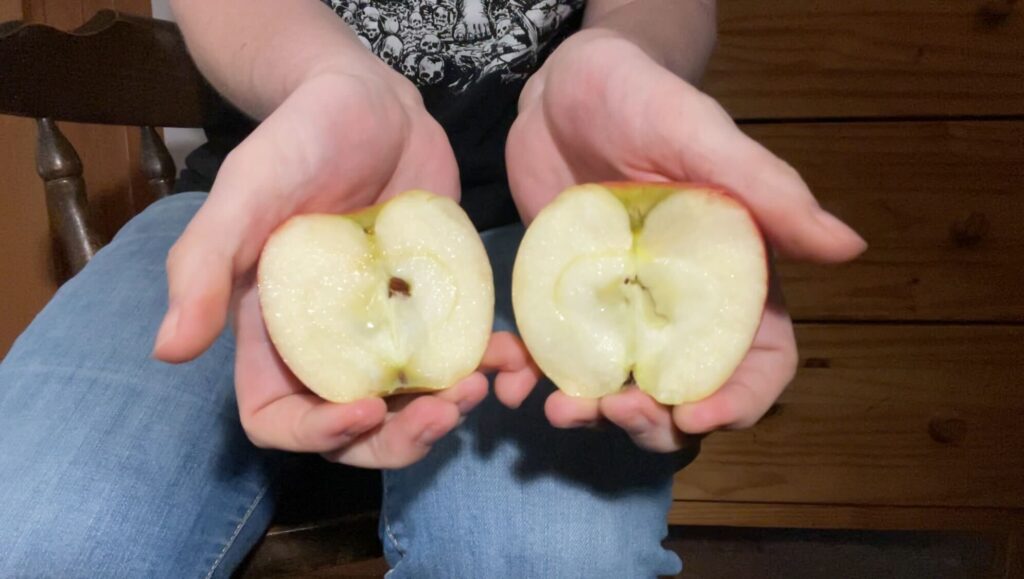
Grip matters. Place both thumbs on top of the apple near the stem, with fingers supporting the underside. Thumbs provide downward pressure while fingers create upward force, creating opposing leverage.
Practice Makes Progress
Your first attempt may not work. That is normal. The skin may resist, or the flesh may break unevenly. With repetition, your grip improves, your fingers strengthen, and splitting becomes second nature.
Step-by-Step Method for Splitting
Initial Grip Setup
Hold the apple firmly with both hands. Ensure thumbs are pressing down into the dimple near the stem. Fingers cradle the bottom, balancing the fruit securely.
Applying Pressure Correctly
Begin by pushing downward with thumbs while simultaneously pulling upward with fingers. The motion should be slow, steady, and deliberate. Jerking movements can cause the apple to crumble instead of splitting cleanly.
Bullet Point Breakdown for Clarity
- Position thumbs at the top, fingers underneath
- Push thumbs down while lifting with fingers
- Focus pressure along the natural core line
- Maintain even force from both hands
- Allow apple tension to break itself
Common Mistakes to Avoid
Using Too Much Force
Many beginners think raw strength is the answer, but excess force often squashes the apple instead of splitting it. Controlled pressure matters more than brute grip.
Wrong Apple Choice
Picking an overly hard or very large apple makes learning harder. Varieties like Granny Smith may be too firm initially, frustrating beginners who expect quick success.
Bullet Point List of Errors
- Attempting with dry or waxy apples
- Pressing thumbs too far apart from the stem
- Using one hand more than the other
- Expecting success without practice
- Splitting when the apple is cold from refrigeration
A Way to Cheat a Little
Pre-Score Method
If you want to impress friends without much effort, you can lightly score the apple with a knife beforehand. A small cut around the skin creates a natural weak point that makes splitting much easier.
Temperature Trick
Slightly warming the apple before splitting loosens fibers, reducing resistance. Leaving it at room temperature for a few hours makes the flesh more pliable and cooperative.
Bullet Point Shortcuts
- Lightly cut the skin for hidden assistance
- Warm apple slightly for softer texture
- Choose smaller apples for quicker success
- Use juicier varieties with natural give
- Practice in private before showing off
Creative Uses for Split Apples
Serving Snacks Safely
Splitting apples without knives is excellent for picnics, schools, and outdoor activities where safety is important. Children can enjoy fruit quickly without sharp blades around.
Cooking Convenience
Hand-split apples are perfect for rustic baking or juicing. Their natural break adds character to dishes like cobblers or salads. Chefs sometimes use this technique for a natural, unpolished presentation.
Decorative Presentation
Split apples create a visual display that feels authentic and organic. At parties, demonstrating the split can be an icebreaker before serving fruit platters or healthy appetizers.
Read More: Swarovski Discount Codes Australia 2025
FAQs
Is splitting apples by hand hard?
At first it can feel difficult, but with proper hand placement and a bit of practice, most people manage easily.
Do I need strong hands to split an apple?
Strength helps, but technique is more important. Even those without heavy grip power succeed once they master pressure distribution.
Can all apple varieties be split?
Yes, but softer, medium-sized apples split more easily. Firmer ones like Granny Smith require extra effort or small cheats to succeed.
Is this method safe for kids?
Yes, compared to knives it is safer, but supervision is recommended until children learn controlled pressure without squeezing too hard.
Why does the apple not always split evenly?
Sometimes the apple’s core is irregular or your pressure is uneven. This is normal, and with practice, results improve over time.
Conclusion
Splitting an apple with your bare hands blends technique, patience, and a touch of showmanship. It does not require knives or fancy tools, only an understanding of fruit structure and the willingness to practice. Once mastered, it becomes more than a trick; it is a practical and safe way to share fruit anywhere. Combine the authentic method with subtle cheats if needed, and soon you will surprise others with this impressive, useful skill.
