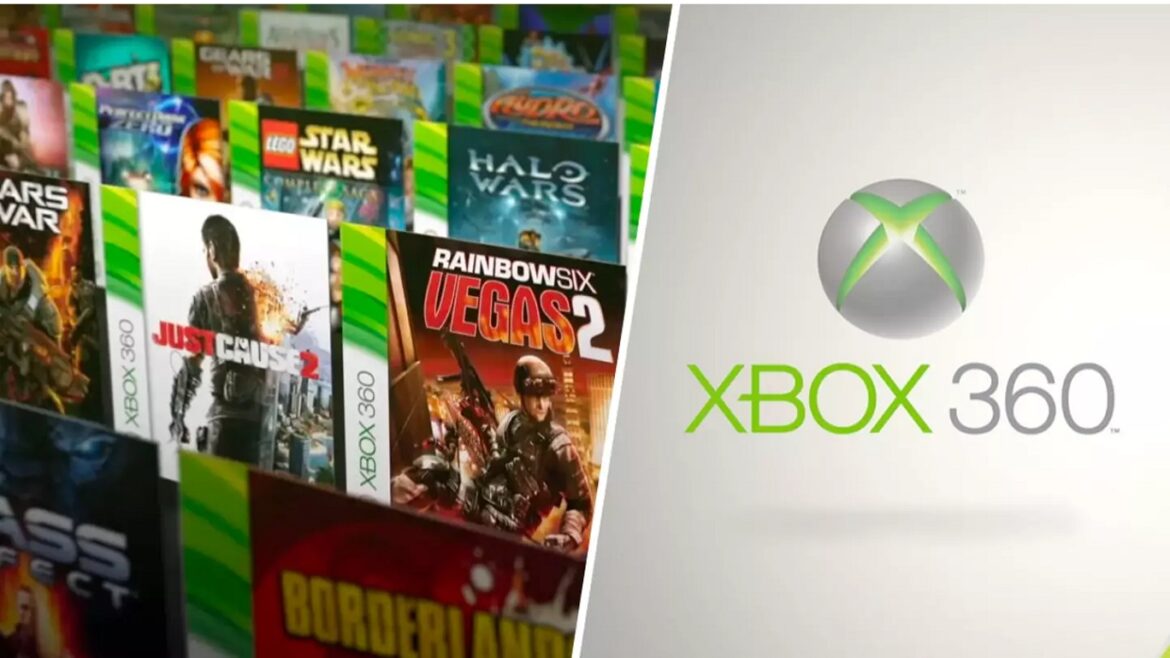
Microsoft’s announcement to shut down the Xbox 360 digital storefront marks the end of a defining chapter in video game history. Nearly two decades after its release in 2005, the Xbox 360 remains one of the most influential consoles in modern gaming. From introducing a robust online multiplayer platform through Xbox Live to pioneering digital game distribution with Xbox Live Arcade (XBLA), the console helped shape the way games are consumed today.
This decision, while expected due to the aging infrastructure, represents a considerable blow to the growing efforts around video game preservation. With over 220 digital-only titles potentially disappearing forever, preservationists, developers, and fans alike are voicing concern over what is becoming a distressing trend across the industry.
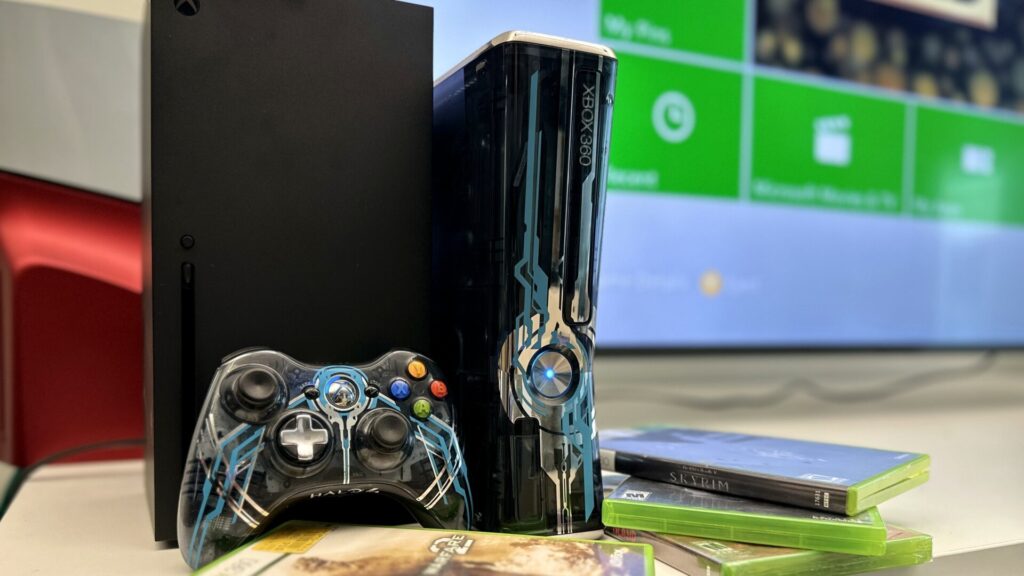
Xbox 360 Marketplace Closure: What It Means
Timeline and Impact
Microsoft will officially shut down the Xbox 360 digital storefront on July 29, 2024. After this date, users will no longer be able to purchase new content from the store. Any previously purchased games or downloadable content (DLC) will remain accessible for download, and users can continue to play their titles offline or online if the game’s publisher continues to support server infrastructure.
Although this might seem like a technical housekeeping move, it is a major shift for legacy gaming. The store supported a wide array of indie gems, arcade classics, and digital-exclusive experiments that are not backward compatible or ported to modern systems.
Not Just a Storefront — A Platform for Innovation
During its peak, the Xbox 360 Marketplace was not just a retail space. It was a launchpad for creativity. Xbox Live Arcade provided independent developers the chance to reach millions of gamers, long before Steam became a household name. Titles such as The Dishwasher, Bastion, Fez, and Dust: An Elysian Tail demonstrated that small teams could produce impactful experiences.
The Broader Pattern: Console Manufacturers and Digital Discontinuation
A Recent History of Shutdowns
Microsoft’s move is not unprecedented. In March 2023, Nintendo closed the eShop for the Wii U and 3DS, effectively removing hundreds of digital-only titles from availability. Similarly, Sony attempted to close the PS3 and Vita storefronts in 2021, although fan backlash led to a temporary reversal.
These decisions highlight a growing issue in the video game industry — digital content is ephemeral unless proactive steps are taken to preserve it.
Industry’s Lack of Long-Term Preservation Vision
Unlike film, literature, or music, video games face compounded issues when it comes to preservation. Games are not just software; they often rely on proprietary hardware, online authentication, or servers to function. Once a storefront is removed or a license expires, that content can become legally and functionally inaccessible.
While some publishers attempt to re-release or remaster older titles, the vast majority do not receive this treatment. Once gone, they are lost to time.
Preservation at Risk: The Scope of Loss
The Numbers Behind the Shutdown
According to data compiled by game historians and fans, approximately 220 titles are digital exclusives on the Xbox 360. These include standalone games, DLC packs, arcade titles, and Kinect-based experiences. Many of these have never been re-released or made backward compatible with the Xbox One or Series X|S.
A Snapshot of Disappearing Games
Games like Charlie Murder, 0D Beat Drop, DeathSpank, Happy Tree Friends: False Alarm, and The Dishwasher: Vampire Smile are just a few of the titles at risk. Many represent creative risks or niche interests that likely won’t see remasters or modern ports. In some cases, the developers or studios responsible for these titles no longer exist.
This includes games across genres: experimental platformers, rhythm titles, horror indies, puzzle adventures, and even educational or trivia-based games. Removing access to these is akin to erasing pages from gaming’s cultural archive.
The Role of Xbox Live Arcade in Shaping Digital Gaming
XBLA as a Catalyst
The introduction of Xbox Live Arcade was revolutionary for its time. It gave smaller studios access to a digital marketplace on a mainstream console, creating opportunities for financial success and creative expression. XBLA was home to critically acclaimed titles like Braid, Limbo, and Castle Crashers.
These successes showed that downloadable games could be artistically and commercially viable. XBLA’s structure helped standardize digital distribution models later adopted across PlayStation, Nintendo, and PC.
Legacy Under Threat
With the Marketplace’s closure, many of the original XBLA titles — unless they’ve been re-released elsewhere — risk falling into obscurity. The fact that some digital SKUs are locked to specific hardware also means players cannot simply carry over their purchases. A user might own Bastion on the Xbox 360, but to play it on the Xbox Series X, they must purchase a new version.
This creates artificial scarcity and burdens preservation efforts.
Legal and Technical Barriers to Preservation
Licensing and IP Restrictions
One major hurdle in preservation is intellectual property law. Unlike books or films, video games are often tied to complex licensing agreements. Music rights, character licenses, or even middleware engines can prevent older games from being re-released legally.
For example, a game with a licensed soundtrack may be pulled from sale once the music rights expire. This issue contributes to the non-availability of certain games despite fan demand.
DRM and Hardware Dependency
Digital Rights Management (DRM) and reliance on specific console ecosystems further complicate matters. A game purchased digitally for the Xbox 360 might be unplayable on modern hardware even if technically backward compatible. Kinect-based games, for instance, require legacy hardware to function, which limits accessibility.
The technical decay of aging hardware also poses risks. As fewer working Xbox 360 consoles remain over time, access to these games becomes increasingly difficult, even for those who legally own them.
Preservation in Action: What Organizations Are Doing
Nonprofits Leading the Charge
Groups like the Video Game History Foundation (VGHF), Hit Save, and the Internet Archive have taken proactive roles in trying to document and preserve video game history. These organizations archive source code, collect physical media, and maintain databases of historical game releases.
Jonas Rosland, Executive Director of Hit Save, emphasized the importance of retaining a broad spectrum of game history: “Game preservation is about more than just saving commercially successful titles — it’s about retaining the full creative breadth of the medium.”
Institutional Support Growing, but Slowly
Some academic institutions, such as the University of Washington and Stanford University, have established digital preservation labs dedicated to interactive media. However, they often face the same challenges related to licensing and platform compatibility.
The need for broader industry collaboration is clear. Without formal backing from console manufacturers and publishers, even the most passionate preservationist efforts may fall short.
The Moral Obligation of Platform Holders
Responsibility Beyond Profit
As stewards of digital ecosystems, companies like Microsoft, Sony, and Nintendo must recognize their cultural responsibility. Gaming is not only a business — it is a significant part of contemporary art, storytelling, and design.
By shuttering storefronts without providing alternative access to older content, these companies risk undermining their own legacy. Long-term goodwill among fans, historians, and developers could be better served by investing in archival tools or accessible emulation platforms.
Viable Alternatives
Microsoft has already made commendable strides in backward compatibility for select titles on the Xbox One and Series X|S. Expanding this program to include more of the threatened games would be one route to mitigate loss.
Additionally, creating a centralized preservation initiative — where retired titles are made available in a museum-style archive, even if only for non-commercial access — could be a meaningful contribution to digital culture.
Fans and Developers Push Back
Community-Led Cataloguing
Since the shutdown announcement, dedicated fans have compiled extensive lists of at-risk titles. These community efforts aim to document everything that may be lost once the store closes. Forums, Reddit threads, and Discord servers have become informal preservation hubs.
Such community documentation may not save the games themselves, but it helps historians and future preservationists understand the scope of what existed.
Calls for Action
Many developers whose early work remains trapped on the Xbox 360 storefront are also advocating for preservation. Some have expressed interest in re-releasing their titles on modern platforms, provided they can regain rights or funding. Others lament that legal red tape prevents them from acting, despite the desire to do so.
A Vanishing Era of Digital Creativity
Obscured History
As the Xbox 360 Marketplace fades into history, a vast collection of interactive works will become inaccessible. These games represent not only entertainment but a timeline of technological evolution, artistic experimentation, and industry trends.
For instance, Kinect games reflect a specific era of motion-based innovation. Indie hits like Fez and Dust: An Elysian Tail show how solo creators could produce hits during the early 2010s. Losing access to these games reduces our ability to study and appreciate that history.
Lessons from Other Media
Other media industries have established more robust preservation norms. Films are regularly restored and archived. Books, even rare ones, find homes in libraries. The music industry has digital reissues, remasters, and legacy collections.
Video games, with their interactive and technological complexity, require equally thoughtful approaches. Otherwise, vital parts of cultural heritage risk disappearing.
FAQS
What exactly is shutting down in the Xbox 360 Marketplace, and when will it happen?
Microsoft will permanently shut down the Xbox 360 digital storefront on July 29, 2024. This means users will no longer be able to purchase new games, DLCs, or any digital content from the Xbox 360 Marketplace after that date. However, users can still re-download previously purchased items and continue to play supported games, both offline and online, as long as the servers for those games remain active.
Will I lose access to the digital Xbox 360 games I’ve already purchased?
No, you will not lose access to previously purchased games or DLCs. Microsoft has confirmed that all existing digital purchases will remain tied to your account and can be re-downloaded and played on your Xbox 360. That said, if the console breaks or the data becomes corrupted, reacquiring those games may depend on your ability to access your Microsoft account and storage space.
How does this shutdown affect video game preservation efforts?
The closure of the Xbox 360 Marketplace significantly impacts video game preservation. An estimated 220+ titles are digital exclusives to the platform and have never been ported to newer consoles or other storefronts. Once the Marketplace is shut down, these titles will no longer be legally available, meaning they risk becoming lost to time — much like early cinema or rare books before the advent of modern archiving.
Are any of these games playable on newer Xbox consoles through backward compatibility?
Some Xbox 360 titles are part of Microsoft’s backward compatibility program and are available on Xbox One or Series X|S. However, many of the digital-only games at risk are not included in that program. Even for those that are backward compatible, users may have to purchase a new version for their modern console, as licenses are often platform-specific and not transferable.
Is there anything fans or developers can do to preserve or save these at-risk games?
Fans have already begun cataloging the endangered titles and raising awareness online. Developers who still hold the rights to their games can potentially port them to newer platforms or release them independently, though legal and financial hurdles often stand in the way. Long-term preservation would require more collaboration between console manufacturers, developers, and nonprofits to archive, emulate, or re-release these titles in some legal form.
Conclusion:
The closure of the Xbox 360 Marketplace is not just a business decision — it is a cultural inflection point. This shutdown adds to a disturbing trend in which generations of digital-only games are lost due to a lack of foresight, legal complexity, and industry neglect.
It is imperative for platform holders to collaborate with preservationists, create alternative access pathways, and embrace the idea that games, like any art form, deserve a lasting legacy. Without structural changes, future generations may only read about the golden era of digital gaming — never experiencing it firsthand.
