
Once a celebrated name in Seattle’s tech and retail landscape, captivated millions with its innovative approach to online shopping. Launched in 2010, the company targeted young mothers with flash sales and a curated, treasure-hunt shopping experience. Its meteoric rise culminated in a $4 billion valuation post-IPO in 2013, only to end in liquidation a decade later. This detailed account explores Zulily’s trajectory, examining the factors behind its success, the challenges that led to its decline, and the abrupt closure under new ownership in 2023. The story underscores the volatility of e-commerce and the complexities of maintaining a competitive edge in a rapidly evolving market.
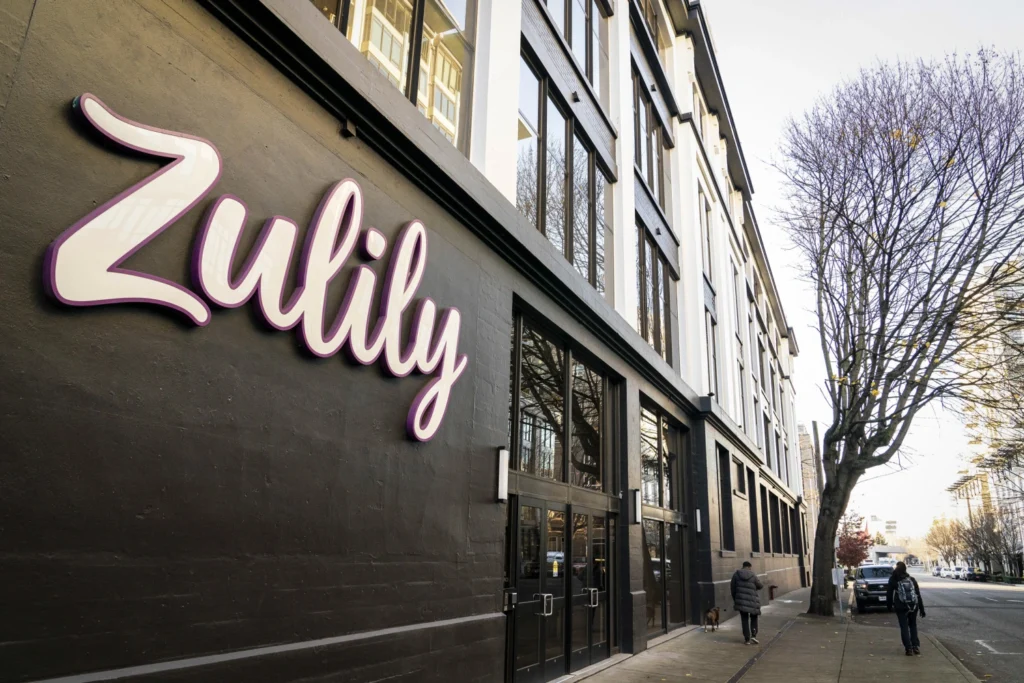
Early Success: A Novel Model for Moms
Zulily’s emerged in 2010, founded by Darrell Cavens and Mark Vadon, with a focus on young mothers seeking deals on children’s and women’s apparel. The company’s flash-sale model created a sense of urgency, with limited-time offers launching daily at 6 a.m. Customers often set alarms to snag products before they sold out, fostering a loyal following. Kiran Akkineni, an early analytics leader, noted the model’s strength: “The thrill of finding unique products at steep discounts drove incredible customer retention.”
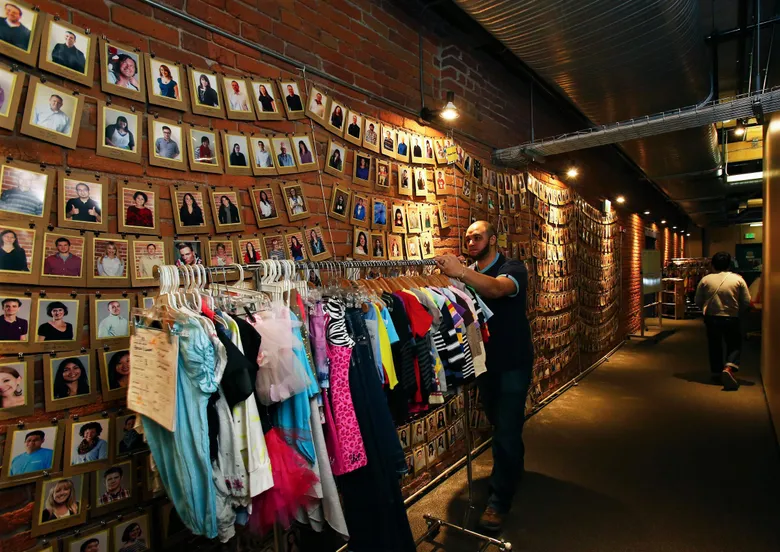
The company’s “inventory-light” strategy set it apart. Zulily sold products on its website before ordering from vendors, minimizing excess stock and optimizing supply chain control. Partnerships with over 15,000 vendors allowed discounts of up to 70% off retail prices, appealing to budget-conscious families. A robust technology platform personalized the shopping experience, using customer data to tailor product recommendations. High-quality photoshoots at its Seattle headquarters created a cohesive, catalog-like feel, enhancing the site’s appeal.
Revenue soared from $143 million in 2011 to $331 million in 2012, with active customers nearly doubling to 1.58 million. Zulily raised $130 million from investors like Andreessen Horowitz and Maveron, fueling growth. In 2013, a successful IPO propelled its valuation past $4 billion, marking it as one of Seattle’s fastest-growing tech companies at the time.
Competitive Edge in a Crowded Market
Early success stemmed from its ability to carve a niche in a competitive e-commerce landscape. Unlike giants like Amazon and Nordstrom, Zulily offered small vendors access to a large audience, enabling unique product offerings. Kevin Saliba, a marketing executive who joined in 2012, recalled the challenge of managing demand: “We had almost too many customers and not enough product.” The flash-sale model turned shopping into an engaging, gamified experience, distinct from traditional retail.
The company’s focus on moms gave it a clear identity, resonating with a demographic underserved by broader platforms. software, designed to hyper-personalize user experiences, leveraged clicks and purchases to refine recommendations, fostering loyalty. Its content strategy, including professional photography, differentiated the platform from competitors with less polished visuals.
Read More: KFC Promotions and Discounts
Challenges Emerge: Growth and Missteps
Rapid growth exposed vulnerabilities. By 2014, the company topped $1 billion in annual revenue, but analysts questioned its long-term sustainability. Customers began complaining about slow shipping times, a stark contrast to Amazon’s fast-delivery standard. The inventory-light model, while efficient, contributed to delays, as products were ordered post-sale. These delays frustrated customers accustomed to near-instant gratification.
The company’s stock price declined in late 2014 after missing earnings expectations, signaling investor skepticism. Zulily expanded its warehouse footprint to handle demand, but operational costs rose. Efforts to broaden its product catalog beyond moms and kids diluted its brand identity. Saliba noted a shift in 2019: “We started targeting men, women, with or without kids, moving away from our core focus.” This pivot positioned Zulily in direct competition with Amazon’s “endless aisle” model, a battle it struggled to win.
Acquisition by Qurate: A Strategic Mismatch
In 2015, Qurate Retail Group (formerly Liberty Interactive), parent of QVC, acquired Zulily for $2.4 billion, a 49% premium but below its IPO peak. Executives touted synergies, citing shared interests in female shoppers. Mobile-savvy, younger demographic contrasted with QVC’s older, TV-based audience, creating integration challenges. A former Qurate executive described it as a “mismatch,” noting differing merchandising models and operational philosophies.
Culture clashed with Qurate’s. The Seattle startup prioritized innovation and growth, while Qurate emphasized stability. Revenue and customer numbers stagnated post-acquisition, with minimal growth in 2016 and 2017. A brief uptick in 2018, driven by a “Best Price Promise” offering discounts for bulk purchases, failed to sustain momentum. Declining sales in 2019, compounded by product quality issues from sourcing directly from China, further eroded customer trust.
External Pressures: Competition and Market Shifts
Zulily faced intensifying competition from emerging players like Shein and Temu, Chinese e-commerce platforms offering ultra-low prices. These competitors gained traction in the U.S., appealing to cost-conscious shoppers. Amazon’s dominance, bolstered by Prime’s fast shipping and vast third-party seller network, set a high bar Zulily struggled to meet.
A significant blow came in 2021 when Apple’s iOS privacy changes limited targeted advertising on platforms like Facebook, where Zulily heavily invested. Qurate’s then-CEO Mike George acknowledged the impact: “The privacy changes increased customer acquisition costs, hitting Zulily’s sales hard.” Revenue dropped 11% in 2021 and 38% in 2022, with losses mounting. Headcount fell by over 1,000 employees between Q3 2021 and Q3 2022.
Jeffrey Shulman, a University of Washington marketing professor, highlighted Zulily’s failure to maintain a clear value proposition: “Expanding beyond moms muddled what drew customers and vendors to the platform.” The company’s identity, once sharply defined, became unclear.
Pandemic Boom and Missed Opportunities
The COVID-19 pandemic briefly boosted Zulily’s revenue as online shopping surged. Qurate considered spinning off Zulily but declined offers, missing a chance to capitalize on the upswing. The growth proved temporary, as economic reopening and supply chain disruptions eroded gains. By 2022, Zulily’s financial performance lagged, contributing the largest losses within Qurate’s portfolio.
Regent’s Acquisition and Rapid Collapse
In May 2023, Qurate sold Zulily to Regent, a Los Angeles-based private equity firm, for an undisclosed sum. Regent, known for acquiring distressed companies like Escada and Intermix, promised to expand Zulily into new markets. Despite generating $300 million in cash through May 2023, Zulily’s trajectory under Regent was catastrophic.
Within months, Regent initiated multiple layoffs, cutting over 800 jobs across Seattle, Nevada, and Ohio. The Seattle headquarters relocated to a smaller facility, and the website went offline in December 2023. On December 22, Zulily announced liquidation, with Douglas Wilson Companies overseeing an orderly wind-down to maximize creditor value. Ryan Baker, vice president at Douglas Wilson, cited a “challenging business environment” and financial instability as key drivers. Customers with pending orders were promised fulfillment or refunds by January 22, 2024.
The closure shocked employees and vendors. Over 800 workers, including 292 in Seattle, lost jobs, and vendors reported unpaid invoices. Zulily’s remaining inventory, valued at $85 million, entered liquidation. The rapid deterioration raised questions about Regent’s strategy. A former employee criticized the firm: “They buy distressed assets cheaply but lack the operational expertise to turn them around.”
Lawsuit Against Amazon: A Final Stand
In December 2023, Zulily filed an antitrust lawsuit against Amazon, alleging price-fixing and supplier coercion. The suit claimed Amazon’s policies prevented third-party sellers from offering lower prices on Zulily, undermining its “Best Price Promise.” Zulily cited five vendors who raised prices or ceased selling due to Amazon’s pressure. The lawsuit echoed allegations in the Federal Trade Commission’s case against Amazon, but analysts like Forrester’s Sucharita Kodali argued Zulily’s downfall stemmed from multiple factors, not solely Amazon’s actions.
Amazon denied wrongdoing, asserting its practices align with industry standards. The lawsuit, filed in Western Washington District Court, remains unresolved, but Zulily’s closure renders its impact symbolic rather than transformative.
Contributing Factors to Zulily’s Decline
Zulily’s collapse resulted from a confluence of internal and external challenges:
- Loss of Brand Identity: Expanding beyond its mom-focused niche diluted its appeal, pitting it against broader competitors like Amazon.
- Operational Challenges: Slow shipping and product quality issues eroded customer trust, exacerbated by an inventory-light model unsuitable for fast-delivery expectations.
- Competitive Pressures: Shein, Temu, and Amazon’s dominance outpaced Zulily’s value proposition.
- Marketing Setbacks: Apple’s 2021 privacy changes increased advertising costs, hitting Zulily’s Facebook-reliant strategy.
- Ownership Missteps: Qurate’s acquisition failed to deliver synergies, and Regent’s brief tenure prioritized cost-cutting over growth.
- Strategic Errors: Extravagant moves, like the Seattle Sounders sponsorship, and tech issues, including warehouse system failures, drained resources.
Coresight Research described Zulily’s collapse as a “cautionary tale,” emphasizing the need for agility, operational efficiency, and market alignment. The shutdown paralleled other e-commerce failures, like Jane.com, highlighting the sector’s volatility.
Impact on Employees and Community
Zulily’s closure reverberated through Seattle’s tech ecosystem. The loss of over 800 jobs, including 274 at an Ohio distribution center and 292 in Seattle, disrupted livelihoods. Vendors faced financial strain from unpaid invoices, with some pursuing legal action. Former employees expressed grief but also gratitude for Zulily’s impact. Jacob Tally, a former marketing leader, reflected on LinkedIn: “Building something at Zulily was rewarding, even if we learned from mistakes.”
Many alumni have transitioned to leadership roles or launched startups, carrying forward lessons from Zulily’s highs and lows. The company’s legacy, as Akkineni noted, remains significant: “It was life-changing for many of us, and its absence will be felt.”

Lessons for E-Commerce and Beyond
Zulily’s journey offers critical insights for retailers:
- Maintain a Clear Identity: A focused value proposition is essential to stand out in a crowded market.
- Adapt to Consumer Expectations: Fast shipping and quality control are non-negotiable in modern e-commerce.
- Balance Innovation and Stability: Overexpansion or misaligned acquisitions can destabilize operations.
- Navigate Competitive Landscapes: Agility is crucial to counter fast-moving competitors like Shein and Temu.
- Leverage Technology Wisely: Investments in personalization and efficiency must align with market demands.
The company’s $9 billion peak in 2013 to a $4.5 million asset sale in 2023 underscores the e-commerce sector’s unpredictability. Zulily’s story, as Coresight Research noted, highlights the importance of understanding consumer demands and market dynamics.
Frequently Asked Questions
What was Zulily’s business model, and why was it successful initially?
Zulily, launched in 2010, targeted young mothers with a flash-sale model offering daily deals on children’s and women’s apparel. Limited-time sales created urgency, driving customer engagement. An inventory-light strategy—selling products before ordering from vendors—minimized stock costs. Personalized technology and high-quality visuals enhanced the shopping experience, leading to $331 million in revenue by 2012 and a $4 billion valuation post-IPO in 2013.
Why did Zulily struggle after its acquisition by Qurate Retail Group?
Acquired for $2.4 billion in 2015, Zulily faced challenges integrating with Qurate’s QVC, which targeted older TV shoppers. Differing merchandising models and a lack of growth focus stalled progress. Slow shipping, product quality issues from Chinese sourcing, and a diluted brand identity after expanding beyond moms hurt performance. Revenue stagnated, and losses grew by 2022.
How did Regent’s ownership contribute to Zulily’s closure?
Regent, a private equity firm, acquired Zulily in May 2023 but initiated rapid layoffs, cutting over 800 jobs across three states. The Seattle headquarters downsized, and the website went offline in December 2023. Liquidation followed, with unpaid vendors and a $85 million inventory sale. Critics noted Regent’s focus on cost-cutting over operational revival as a key factor in the collapse.
What external factors impacted Zulily’s decline?
Competition from Shein, Temu, and Amazon’s fast-delivery model challenged Zulily’s value proposition. Apple’s 2021 iOS privacy changes increased advertising costs, impacting Zulily’s Facebook-reliant marketing. Economic shifts post-pandemic and supply chain issues further eroded revenue, which fell 38% in 2022, exacerbating financial struggles.
What lessons can be learned from Zulily’s downfall?
Zulily’s collapse highlights the need for a clear brand identity, fast and reliable delivery, and agility against competitors. Strategic acquisitions must align operationally, and technology investments should meet market demands. The company’s failure to adapt to evolving consumer expectations and competitive pressures underscores the volatility of e-commerce.
Conclusion
Zulily’s rise from a Seattle startup to an e-commerce powerhouse was remarkable, driven by a unique model and a loyal customer base. Its decline, marked by strategic missteps, competitive pressures, and ownership challenges, culminated in a sudden closure that shocked employees, vendors, and customers. The company’s legacy endures through its impact on Seattle’s tech community and the lessons it offers for navigating the volatile world of online retail. Zulily’s downfall serves as a reminder that even the most promising ventures must adapt continuously to survive.
