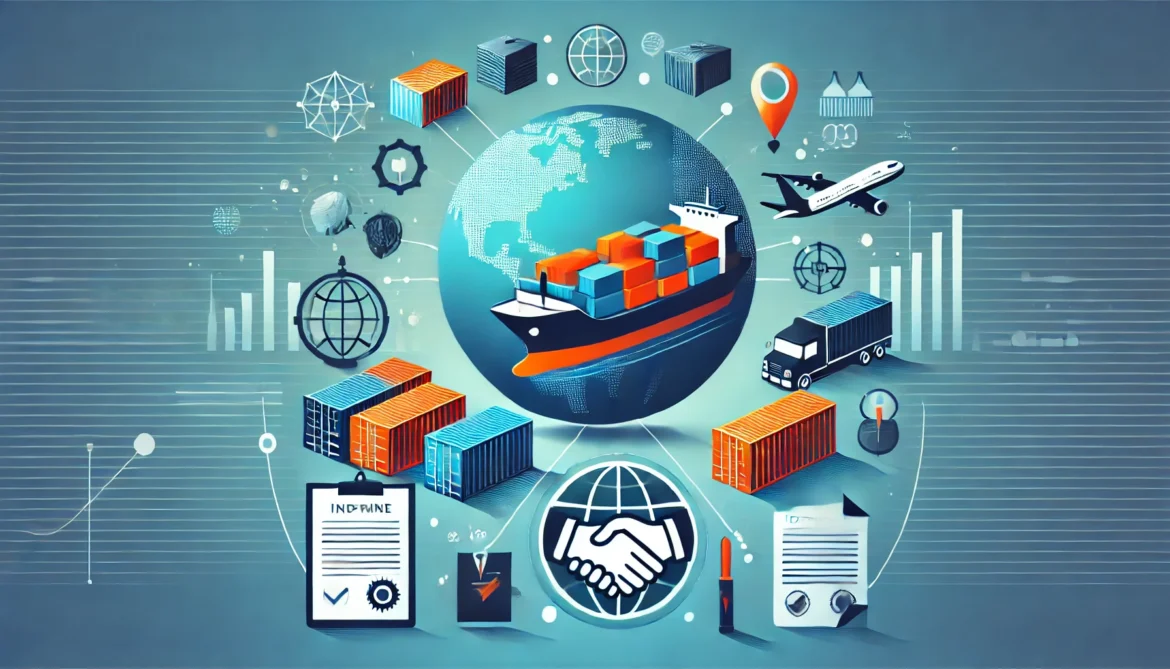
Importing products from China is a game-changer for businesses worldwide. Whether you’re a small retailer or a large corporation, importing from China offers endless opportunities to source products at competitive prices. However, the process can be complicated without proper knowledge and a reliable partner. This article provides a comprehensive guide on how to import from China seamlessly, helping you understand every step of the process and how to avoid common pitfalls.
The Story of Importing From China: A Gateway to Global Business
Imagine waking up in a bustling metropolis, your phone buzzing with notifications about new orders coming in from your online store. The products that are flying off your virtual shelves? They all come from China. It’s not just about getting products at a lower price—it’s about unlocking the potential of the global market.
Let me tell you a story. A friend of mine started a small online business selling electronic gadgets. Initially, he sourced his products locally, but the prices were high, and his profit margins were slim. After researching alternatives, he decided to explore importing from China. He found a supplier, placed an order, and within weeks, his products arrived—at a price so low that he could sell them for a competitive rate while still making a solid profit.
However, there was a catch. The process wasn’t as smooth as he expected. There were language barriers, shipment delays, and even unexpected tariffs that ate into his profits. The solution? A reliable freight forwarder who understood the ins and outs of international logistics, helping him navigate the complexities of importing goods from China with ease.
Why Import From China?
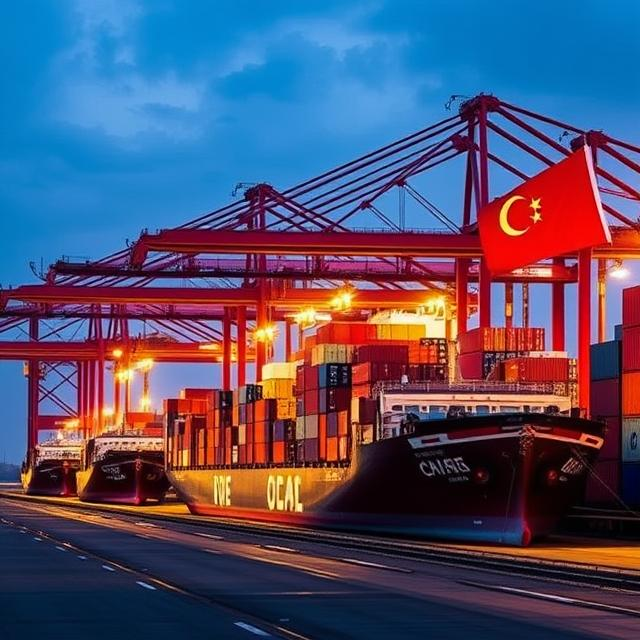
There’s a reason why China is often referred to as the “world’s factory.” Its manufacturing capabilities are unmatched, offering an incredible range of products at prices that are hard to beat. From electronics to clothing, machinery to home goods, China produces a wide variety of products that are perfect for importing.
Here are some of the key reasons businesses choose to import from China:
- Lower Production Costs: The labor costs in China are significantly lower than in many Western countries, which means that manufacturers can produce goods at a fraction of the price.
- Wide Range of Products: China offers an expansive catalog of products, making it easy to find what you need no matter your industry.
- High-Quality Manufacturing: Contrary to the misconception that products from China are of low quality, many manufacturers offer high-quality goods that meet international standards.
- Scalability: China has the infrastructure and capacity to meet large orders, allowing businesses to scale their operations quickly.
Step-by-Step Guide to Importing Products From China
Importing from China can feel overwhelming at first, but with a clear roadmap, it can be a smooth and profitable endeavor. Let’s break it down into manageable steps.
Research Your Product
Before diving into the world of importing from China, you must first identify the product you want to import. This might seem like an obvious step, but it’s crucial to choose a product that fits your target market and meets local regulations.
- Product Selection: Start by considering what you want to sell and the demand in your market. Don’t just choose a product because it’s cheap. Do some market research to ensure that it has a viable market.
- Quality Standards: Consider the quality of the products you want to import. Make sure they meet your local country’s standards for safety and quality.
- Sourcing Products: Once you’ve chosen your product, research suppliers. China’s vast manufacturing landscape means you’ll have no shortage of options, but finding a reliable supplier is key.
Finding Reliable Suppliers
This is arguably the most crucial step in the process. Without the right supplier, everything else falls apart. There are several ways to find suppliers in China:
- Alibaba: Alibaba is one of the most popular platforms for sourcing products from China. You can find manufacturers and suppliers for almost anything, from electronics to fashion.
- Global Sources: Similar to Alibaba, this platform connects buyers with verified suppliers and manufacturers in China.
- Trade Shows: Attending trade shows such as the Canton Fair can give you the opportunity to meet suppliers face-to-face and inspect the products directly.
Once you’ve shortlisted potential suppliers, request samples. This is a vital step, as it allows you to assess the quality of the product before making a bulk order.
Negotiating Prices and Terms
Now that you’ve found a supplier, it’s time to negotiate prices and terms. In China, bargaining is expected, so don’t hesitate to negotiate.
- Price per Unit: The price will likely vary based on the quantity you order, so always ask for bulk discounts.
- Payment Terms: Most Chinese suppliers require an advance payment (usually 30%) with the balance paid before shipment. Ensure that the terms are clear and that both parties are on the same page.
- Lead Times: Ask about the lead time for production and shipping. Understanding this will help you plan your inventory and avoid stockouts.
Shipping and Freight Forwarding
Once you’ve placed your order and agreed to terms, the next step is arranging shipping. This is where a freight forwarder comes into play. A freight forwarder is an expert who handles the logistics of international shipping.
Here are some things to consider:
- Shipping Method: The most common shipping methods for importing from China are sea freight (for large, bulk orders) and air freight (for smaller, urgent orders). Your choice will depend on the size of your order and the time frame.
- Incoterms: Make sure you understand the Incoterms (international commercial terms) in your contract. These terms define who is responsible for shipping, insurance, and customs clearance.
- Customs Clearance: Importing goods from China means you’ll need to clear customs. A freight forwarder can assist with this process, ensuring that all documentation is in order.
- Tracking: Ask your supplier for a tracking number to monitor the shipment’s progress.
Handling Customs and Duties
Every country has its own rules and regulations when it comes to importing goods. Be sure to familiarize yourself with the customs duties and taxes you’ll need to pay when importing from China. This can significantly affect the overall cost of your order.
Working with a freight forwarder can help smooth this process, as they are well-versed in the complexities of customs.
- Tariffs and Taxes: Customs duties are typically calculated based on the value of the goods being imported. Research your country’s tariff rates to ensure that you don’t encounter unexpected costs.
- Required Documentation: Make sure you have all the necessary documentation, such as the commercial invoice, packing list, and certificate of origin. Your freight forwarder can guide you through this.
Receiving Your Goods and Quality Check
After your shipment clears customs, it’s time to receive your goods. This is the final step, but it’s important to perform a quality check to ensure the products meet your expectations.
- Inspection: If possible, inspect the goods before they are shipped. If not, arrange for an inspection upon arrival.
- Warehousing and Distribution: After the goods are inspected, you’ll need to store them. If you don’t have space, consider working with a warehouse provider who can store your inventory and fulfill orders on your behalf.
The Role of a Freight Forwarder in Seamless Importing
A freight forwarder is a key partner in the process of importing from China. They help navigate the complexities of international shipping, ensuring that your goods arrive on time and without issues. Here’s how a freight forwarder can help you:
- Shipping Expertise: Freight forwarders have vast experience in shipping goods internationally, and they understand the nuances of dealing with customs, duties, and tariffs.
- Reduced Risk: By managing logistics and transportation, a freight forwarder minimizes the risk of delays, lost shipments, or unexpected costs.
- Cost-Effective Solutions: Freight forwarders can help you choose the most cost-effective shipping methods and ensure that your goods are transported in the most efficient way possible.
- Seamless Process: They ensure that all paperwork, documentation, and requirements are met, making the import process as smooth as possible.
Frequently Asked Questions
What are the key steps to start importing from China successfully?
The key steps include identifying a profitable product to import, finding reliable suppliers (via platforms like Alibaba, 1688, or Global Sources), understanding import regulations and customs requirements, managing shipping logistics, and ensuring proper product quality control before final delivery.
How can I find trustworthy suppliers in China?
To find trustworthy suppliers, use reputable platforms like Alibaba, attend trade shows (such as the Canton Fair), and conduct due diligence by checking reviews, requesting samples, and verifying supplier certifications like ISO and CE. Working with sourcing agents can also help ensure supplier reliability.
What are the common shipping options when importing from China, and which is the best?
Common shipping methods include air freight, sea freight, and express courier services (DHL, FedEx). Sea freight is cost-effective for large, heavy shipments, while air freight is faster but more expensive. Small packages can benefit from express couriers. The best option depends on your budget, product type, and urgency.
How do I handle customs and import taxes when importing from China?
You need to understand your country’s import duty rates, tariffs, and documentation requirements, such as invoices, packing lists, and bills of lading. Working with customs brokers can simplify the process by ensuring your goods comply with regulations and avoid delays.
How can I ensure the quality of products imported from China?
To maintain quality, conduct product inspections before shipping, request samples, and establish clear quality control standards with the supplier. Hiring third-party inspection agencies and maintaining open communication with suppliers can also reduce the risk of receiving defective products.
Conclusion
Import from China presents a wealth of opportunities for businesses looking to expand their product offerings at competitive prices. By following the steps outlined in this guide and partnering with a reliable freight forwarder, you can seamlessly import products from China, avoid common pitfalls, and grow your business.
Remember, the key to successful importing is choosing the right suppliers, negotiating favorable terms, and working with experts who can handle the logistics and customs process. Whether you’re a seasoned importer or a beginner, this guide will help you confidently navigate the world of international trade and come out ahead.
