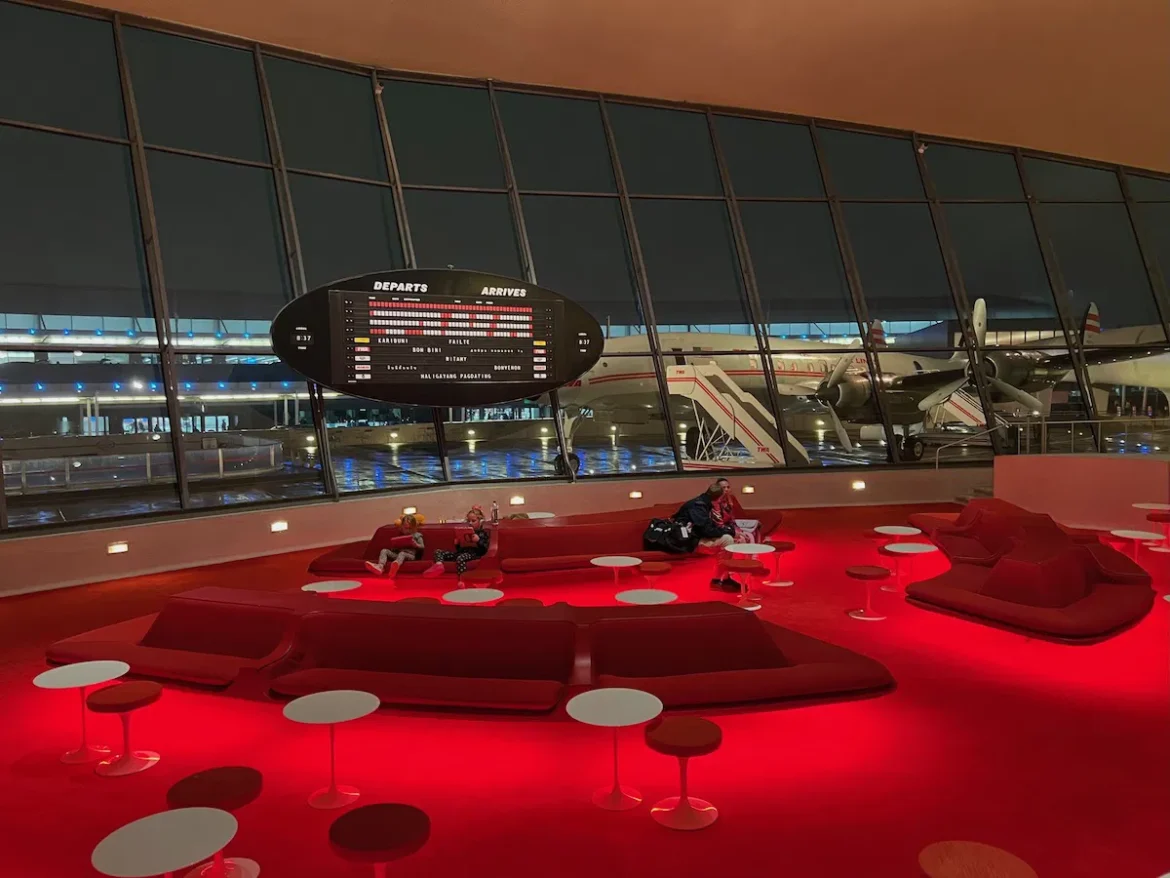
Returning to the TWA Hotel at JFK felt like stepping into a time capsule. With its sleek mid-century modern aesthetic and the nostalgic charm of aviation’s golden age, the property still exudes a visual magnetism that’s hard to match. The check-in area, curved hallways, and Solari board all create the perfect Instagram moment. But beneath this carefully curated surface lies an experience that feels more style than substance.
During my second stay, I hoped the hotel had addressed some of the complaints heard over the years. After all, its debut sparked excitement among aviation enthusiasts and design lovers alike. Yet, just like my first visit, what could have been a standout stay turned into a frustrating series of disappointments. While the hotel’s location and unique history are undeniable, the lack of operational finesse continues to overshadow the novelty.
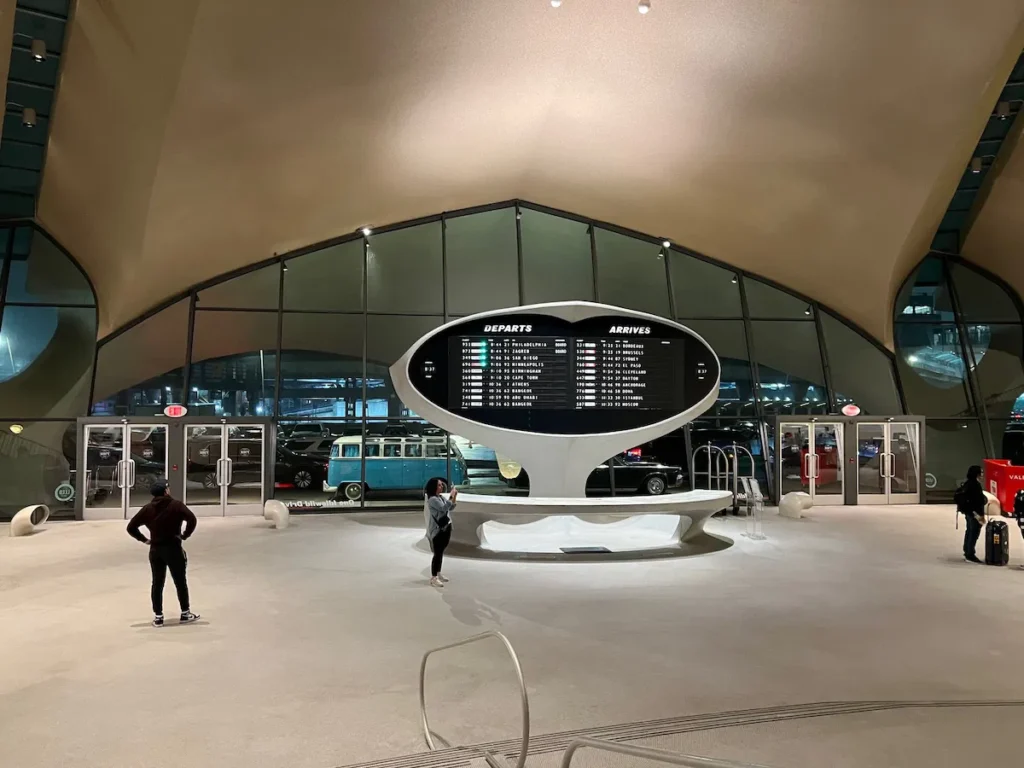
From the moment I stepped into the lobby, the wow-factor was immediate. But it didn’t take long before service issues and basic functional flaws started to appear. It’s not just about nostalgia—it’s about delivering comfort and hospitality, and that’s where the TWA Hotel continues to fall short.
Check-In Experience That Tested My Patience
The check-in process felt more like waiting in line at a DMV than arriving at a premium airport hotel. With self-check-in kiosks scattered throughout the lobby, one might assume efficiency would be a priority. Unfortunately, the machines were glitchy, slow, and poorly supervised. Even though a few staff members were present, their assistance felt minimal and rushed, creating a sense that guests were left to fend for themselves.
Despite arriving at a reasonable hour, the room wasn’t immediately available. The staff seemed overwhelmed, and communication was less than transparent. The charm of the hotel’s surroundings was quickly dulled by the feeling of operational disorganization. After a long transatlantic flight, all I wanted was a smooth arrival process. Instead, it felt like I was solving a puzzle just to get to my room.
There’s something especially frustrating about standing in such an iconic architectural space while having a thoroughly un-iconic service experience. The contradiction between the design and the customer service became impossible to ignore.
Room Vibes: More Museum Than Hotel Comfort
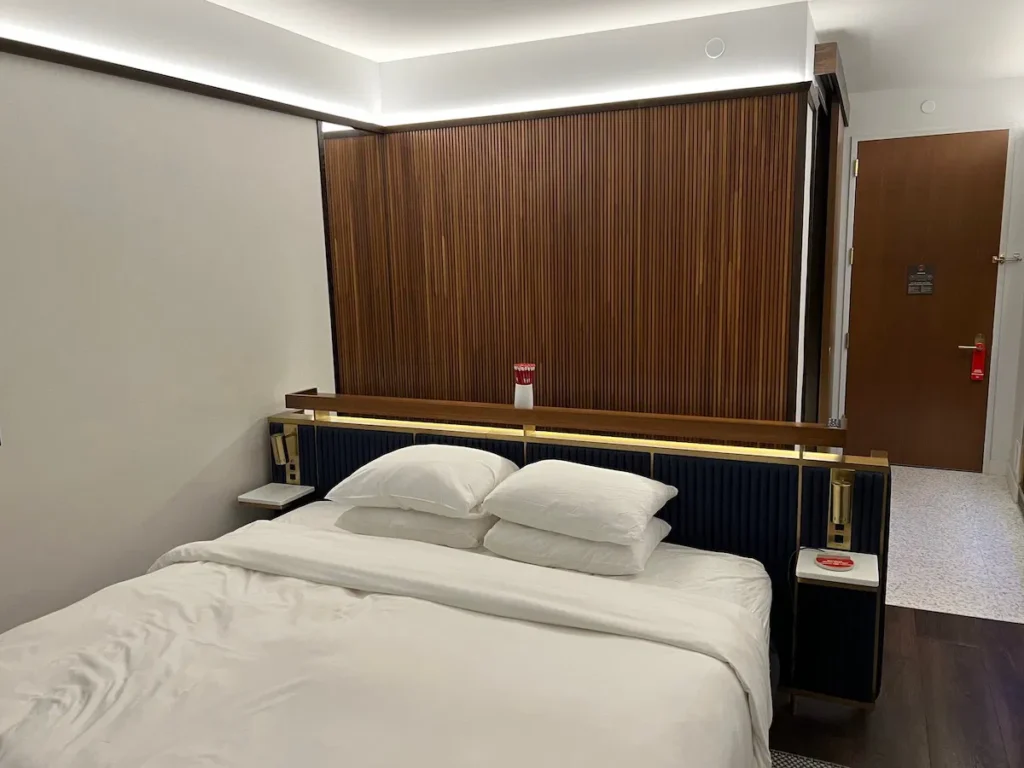
Stepping into the room felt like walking into a museum exhibit. The mid-century design was undeniably impressive, and the preservation of the aesthetic was clearly intentional. But after the visual appeal wore off, the practical elements left a lot to be desired. The bed lacked plushness and leaned more toward firm than luxurious. Pillows were too soft and offered little support, and the lighting system was awkward to operate.
Soundproofing remains a common complaint, and it held true during this stay as well. Despite being advertised as soundproof, the constant hum of JFK traffic and overhead planes seeped through the glass, disrupting what should have been a restful evening. I could hear other guests in the hallways, and the air conditioning unit emitted a distracting buzz.
It’s hard to relax when your room feels like a set piece that forgot to account for the actual needs of a guest. As someone who values both form and function, I found myself thinking about how easily this experience could have been improved with small adjustments.
Amenities That Promise More Than They Deliver
One of the reasons travelers book the TWA Hotel is its rooftop pool and observation deck. The views of JFK’s runways are indeed captivating, especially during sunset. But during my visit, the pool area was crowded, under-maintained, and required waiting in line just to gain entry. The vibe was more chaotic than relaxing, with loud music, limited towels, and a staff that seemed more focused on crowd control than guest comfort.

The gym, while large and well-equipped, felt oddly disconnected from the rest of the hotel. It was open to the public via day passes, which contributed to an inconsistent experience in terms of availability and cleanliness. Meanwhile, the iconic Connie airplane cocktail bar—one of the hotel’s main draws—was beautiful but plagued with slow service and limited menu availability.
Every amenity looked perfect in photos but fell short in real-life use. That recurring theme of style over substance once again defined the stay. For a hotel banking on its unique appeal, those misses add up quickly and leave a lasting impression.
Dining and Service: Disconnected at Best
Hotel dining should feel like an extension of hospitality. Sadly, the TWA Hotel’s dining options still feel disjointed and overpriced. The Paris Café by Jean-Georges has the culinary star power and ambiance to draw a crowd, but both the service speed and food quality were inconsistent. During my visit, meals were delayed, and requests were forgotten more than once.
Other food options, including the food hall and lobby bar, were overwhelmed during peak hours. Staff at these locations often appeared rushed and undertrained, leading to mistakes in orders and a general lack of warmth in service. The disconnect between the brand’s premium image and the actual experience only grew wider as the stay continued.
I found myself avoiding the dining facilities by the end of the stay—not because of cost, but because I didn’t want to deal with the hassle. That’s never a good sign in any hotel, especially one that presents itself as a destination.
Read More: SWISS A330 Business Class Review: A Dated Experience That Misses the Mark
Nostalgia Isn’t Enough the Second Time Around
Staying at the TWA Hotel a second time was a chance to reevaluate, to see if earlier flaws were just growing pains. Sadly, many of those flaws remain, making it clear that this is more of an experience hotel than a reliable place to rest. The novelty fades fast when service is slow, comfort is lacking, and the amenities don’t meet expectations.
It’s disappointing because the potential is massive. Few hotels have this kind of cultural cachet or architectural importance. But leaning too hard on nostalgia without fixing basic hospitality elements turns what could be an icon into a gimmick.
For aviation fans, a single visit may still be worth it for the history and the Instagram photos. But for travelers looking for consistency, comfort, and service to match the setting, this hotel likely won’t earn repeat business. At least, not from me.
Conclusion
While the TWA Hotel impresses with its retro design and unique history, the overall experience continues to fall short. From unpolished service to impractical rooms, it’s a place that looks great but doesn’t deliver where it counts. After two visits, I’m closing the chapter on this airport icon—and I won’t be booking a third.
