
The Rise of Twin-Engine Long-Haul Aircraft
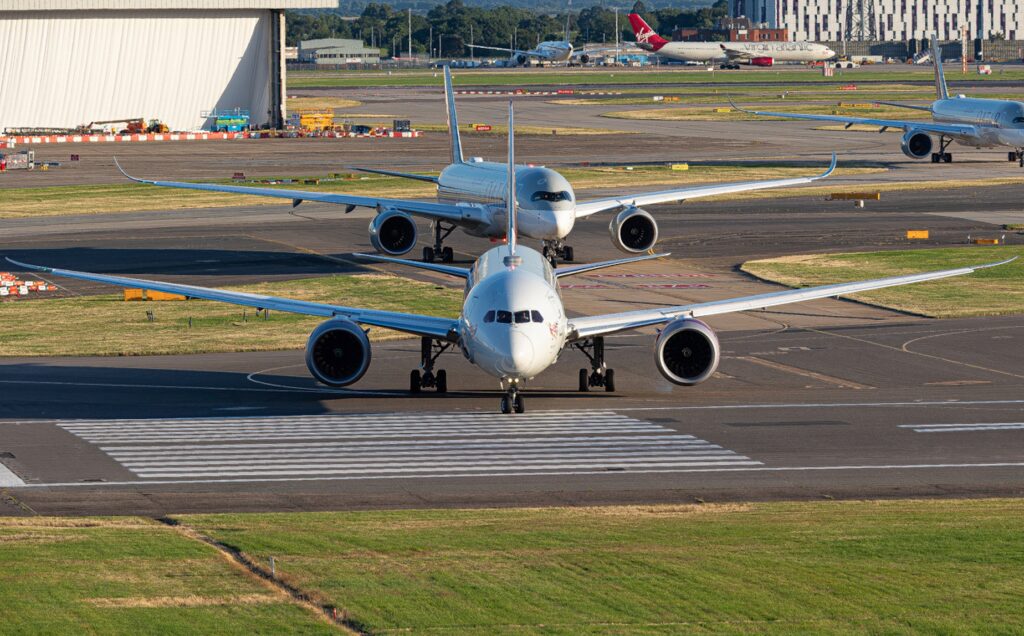
The era of four-engine aircraft is rapidly fading as airlines retire their aging fleets of Boeing 747s and Airbus A380s. With fuel efficiency, operational cost savings, and environmental concerns taking center stage, the future of long-haul aviation clearly favors twin-engine jets. Among the most transformative aircraft leading this revolution are the Airbus A350 and Boeing 787 Dreamliner.
These two aircraft have made significant impacts on the global aviation landscape. Their fuel efficiency, long-range capabilities, and reduced seating capacity relative to older widebodies make them particularly appealing to airlines aiming to maintain profitability on long and ultra-long haul routes.
Read More: Delta One A350 Business Class: The Premier Choice in U.S. Air Travel
Why the Airbus A350 and 787 Are Leading the Future of Air Travel
Modern travelers benefit greatly from the technological advances in the Airbus A350 and 787. Each plane is optimized for passenger comfort, fuel economy, and route flexibility. Innovations in materials, cabin pressure, and noise reduction have changed the flying experience for good.
While both aircraft are engineering marvels and offer similar benefits in many respects, subtle distinctions make one preferable over the other depending on personal preferences and use cases. From the perspective of a frequent traveler and aviation enthusiast, the Airbus A350 stands out as the superior choice.
Comparing the Airbus A350 and Boeing 787
Shared Advantages of Modern Widebody Aircraft
Before delving into the differences, it’s important to highlight the shared qualities that set both aircraft apart from previous generations.
- Lower Cabin Altitude: The Boeing 787 is pressurized to a cabin altitude of 6,000 feet, while the Airbus A350 boasts an even lower cabin altitude of 5,500 feet. This results in less passenger fatigue and dryness during long-haul flights.
- Reduced Cabin Noise: Both aircraft feature significantly quieter cabins compared to older models. Airbus claims the A350 is quieter by approximately five decibels, although passengers often report a similarly peaceful ambiance on both.
- Fuel Efficiency and Composite Materials: Both aircraft are built primarily with carbon-fiber-reinforced polymers, reducing weight and increasing fuel efficiency.
These features contribute to a noticeably improved flying experience, yet the differences become more pronounced when examining aesthetics, functionality, and onboard comfort.
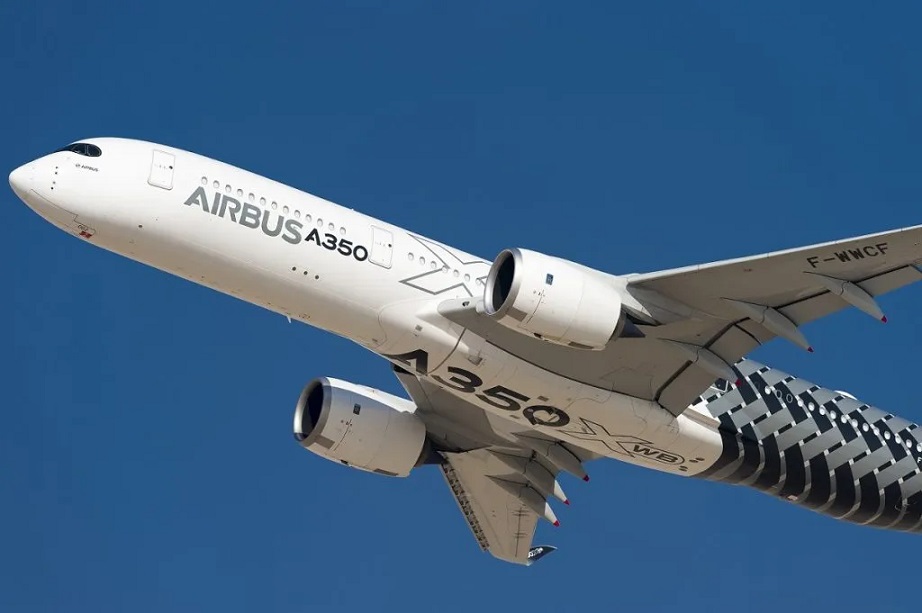
Why I Prefer the Airbus A350
Stunning Exterior Design and Tail Camera Innovation
The visual design of the Airbus A350 is undeniably elegant. Its distinctive “raccoon mask” cockpit windows give it a sleek, futuristic appearance. The sculpted wingtips are not only aesthetically pleasing but also improve aerodynamics and fuel performance.
An additional standout feature is the availability of a tail camera. Airlines such as Finnair, Qatar Airways, and others have equipped their A350s with this feature, offering passengers a live video feed of the aircraft’s takeoff, cruise, and landing from the tail. This inflight entertainment option enhances the experience and is a feature notably absent on the Boeing 787.
Cabin Width and Seating Comfort
The Airbus A350 offers a slightly wider cabin than the Boeing 787. This difference, although minimal in numbers, becomes noticeable during long flights, particularly in economy class. Airlines typically configure both planes with nine seats per row in economy. However, the extra width of the A350 allows for slightly more space per passenger.
In configurations where the Boeing 787 has nine seats abreast, the cabin can feel cramped, especially for tall or broad-shouldered travelers. Conversely, the A350’s layout offers greater shoulder room and a marginally more spacious feel.
Window Shade Preferences and Lighting Control
While the Boeing 787 features electrochromic dimmable windows, this innovation comes with drawbacks. These windows darken at the push of a button, but they do not entirely block sunlight, especially when the sun is directly hitting them. Crews can also override the window settings, limiting passenger control.
The Airbus A350, particularly earlier production models, typically comes equipped with manual window shades. These shades provide complete darkness when desired and are favored by many travelers for their simplicity and reliability. Newer A350s feature improved dimmable shades that outperform those found on the Dreamliner in both clarity and blackout capability.
Superior Cabin Air and Noise Levels
Both aircraft offer reduced cabin noise and improved humidity, but the A350 feels marginally quieter and fresher in actual operation. Anecdotal reports from frequent flyers suggest that the A350 has slightly less engine noise transmitted into the cabin, contributing to a more peaceful experience.
Additionally, the A350’s traditional bleed-air system, while not as futuristic as the 787’s no-bleed system, delivers consistent performance with fewer maintenance complexities related to pressurization.
Versatility in Range and Capacity
The Airbus A350-1000 exemplifies long-range capability and high capacity. With its ability to carry more passengers than any 787 variant, it supports some of the world’s longest commercial flights. Qantas’ “Project Sunrise” will employ specially modified A350-1000s to fly non-stop between Australia and major cities like New York and London.
This level of performance makes the A350 an unmatched leader in the ultra-long-haul space, providing unparalleled endurance while preserving passenger comfort.
Where the Boeing 787 Excels
Greater Product Range and Flexibility
Boeing’s 787 Dreamliner family includes three distinct models: the 787-8, 787-9, and 787-10. This spectrum of options allows airlines to tailor their fleets to different route profiles and passenger loads.
The 787-8, for example, offers long-range capability with lower capacity, ideal for thinner, less-trafficked routes. Airbus currently lacks a direct competitor in that specific market segment, as the A350-900 starts at a higher capacity range.
Advanced Engineering with No-Bleed Systems
The Boeing 787 employs a no-bleed air system, which separates the cabin air supply from the engines. This design reduces maintenance demands and improves fuel efficiency. While it sounds like a purely technical benefit, it may also lead to slightly fresher cabin air over time, especially in newer aircraft.
However, this system can also contribute to its own complexities, and many airlines and maintenance teams are still adjusting to the newer requirements it imposes.
Windows Designed for Immersion
The Dreamliner’s massive windows are among the largest on any commercial aircraft. They offer panoramic views, helping reduce claustrophobia and enhancing the flying experience. On long-haul flights, looking out at the horizon from such large portals can be surprisingly calming.
Although the dimming feature is not universally appreciated, the sheer size of the windows is still an advantage, especially for window seat enthusiasts.
Comparing Passenger Experience: A350 vs. 787
Seat Layout and Economy Class Reality
Economy configurations play a major role in shaping passenger comfort. On both the A350 and 787, the standard is a 3-3-3 configuration. However, due to the A350’s slightly wider fuselage, passengers may notice a few extra centimeters of width per seat. That seemingly small difference can translate into significant relief on a 12-hour flight.
Premium cabins also reflect differences. Business class seats on the A350 often feel more spacious, especially on airlines like Qatar Airways, which have introduced advanced products like Qsuites on this platform. While both aircraft can support luxury seating, the cabin dimensions of the A350 provide more flexibility in seat design.
Noise, Lighting, and Sleep Quality
The Airbus A350 delivers a quieter cabin environment with more natural lighting and less intrusive noise during cruise. These small advantages contribute to better rest and overall comfort.
While the 787 also excels in reducing jet lag and discomfort through advanced pressurization and humidity control, the ambient cabin noise tends to be slightly higher, particularly near the engines or in the rear of the aircraft.
Environmental and Operational Considerations
Both the Airbus A350 and Boeing 787 have helped reduce the aviation industry’s carbon footprint. Their lighter composite structures and efficient engines consume less fuel per passenger mile than the aircraft they replaced.
From an airline’s point of view, the Boeing 787 offers more flexibility in fleet composition and deployment. The A350, on the other hand, shines on high-demand and ultra-long-haul routes due to its superior payload-range capabilities.
FAQs
Which aircraft is quieter, the A350 or 787?
The A350 is marginally quieter, though both offer a much-improved noise profile compared to older aircraft.
Are A350 seats wider than 787 seats in economy?
Yes, the A350’s cabin is slightly wider, providing marginally more seat width in a 3-3-3 layout.
Why do some passengers dislike the 787’s dimmable windows?
They often do not block sunlight completely and can be overridden by the crew.
Which aircraft has a longer range?
The A350-1000 has a longer potential range, especially in its ultra-long-haul variant used for Qantas’ Project Sunrise.
Do all A350s have tail cameras?
Not all, but many A350 operators include this feature, enhancing the inflight entertainment experience.
What is the cabin altitude of the Airbus A350?
It is pressurized to approximately 5,500 feet, which is lower than most jets, reducing fatigue.
Is the A350 more fuel-efficient than the 787?
Both are extremely fuel-efficient; specific efficiency depends on the route, load, and configuration.
Can you feel the cabin width difference between the A350 and 787?
Yes, especially in economy class, where small differences in width can improve comfort noticeably.
Which aircraft is better for ultra-long-haul flights?
The A350-1000 is better suited due to its range and passenger capacity.
Which has more variants available?
The Boeing 787 family includes three variants, giving airlines more flexibility in capacity and range planning.
Conclusion
While the Boeing 787 Dreamliner deserves praise for its innovations and adaptability, the Airbus A350 provides a more refined and consistently superior experience from a passenger perspective. Its elegant design, roomier cabin, manual window shades, lower cabin altitude, and tail camera functionality position it as the aircraft of choice for those seeking comfort and style on long-haul journeys.
For aviation enthusiasts, frequent flyers, and those who appreciate thoughtful design, the Airbus A350 checks more boxes. Though the 787 is far from lacking, the A350 simply feels more polished, more spacious, and more serene in operation.
As both aircraft continue to redefine global travel, passengers are fortunate to enjoy such remarkable choices. Between the two, the Airbus A350 remains my personal favorite—and for good reason.
