The other night, I got high—very high—and decided that chili was in order. I had thawed too many sirloin steaks and needed to use them immediately. So I ran them through my meat grinder and set out to build my favorite simple chili.
Everything was going fine: meat, ground. Onion, mostly chopped. Then came the spice drawer—where I found two key ingredients: a jar labeled “chili powder” and another labeled “ancho chili powder.”
Now, thanks to THC, my brain told me that ancho chili powder must be like regular chili powder—but better. A spicy blend, just with ancho chiles instead of generic ones. So, as the recipe called for 1/4 cup of chili powder, I used 1/4 cup of the ancho stuff.
Big mistake. Delicious, spicy mistake.
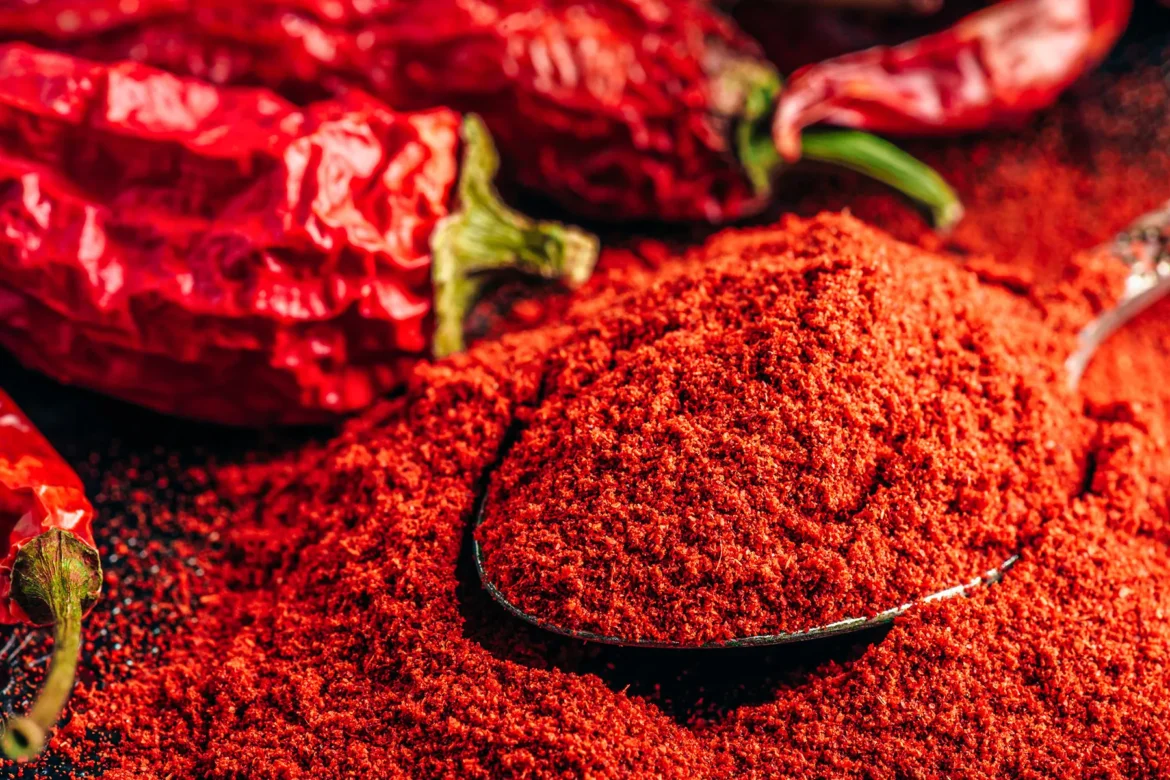
Ancho chili powder is not a blend. It’s pure ground dried ancho peppers. No garlic, no onion powder, no paprika. Just pepper. And when you add 1/4 cup of pure ancho chiles to your chili, the result is exactly what you’d expect: fire. Exquisite, delicious fire.
Understanding Your Chili Powders
If your jar says something like ancho chili powder or chipotle chili powder, it’s most likely pure pepper powder—just one kind of dried, ground chili.
If it just says chili powder, then it’s typically a spice blend—usually a mix of chiles, garlic, cumin, oregano, and other flavorings. When in doubt, flip the jar and check the ingredients.
Read More: Buying your child their first phone – mobile phones for kids
What About Chili Flakes?
Flakes follow similar logic.
If the label reads crushed red pepper, you’re looking at a blend—usually cayenne-heavy, often with seeds. These are your go-to flakes at pizzerias and on pasta.
If the label says aleppo chili flakes or another specific pepper name, it’s a single-origin flake—more nuanced in flavor and often less intense in heat. Use them when you want flavor without just burn.
The Moral of the Chili
This might sound obvious, but sometimes we need obvious spelled out—especially when making late-night food decisions under elevated circumstances.
Would I do it again? Maybe. Do I regret it? Not really. My mouth burned, my stomach flared, but the chili? Glorious.
And hey, some of the best culinary adventures begin with a slightly misguided idea—and a fully stocked spice drawer.
