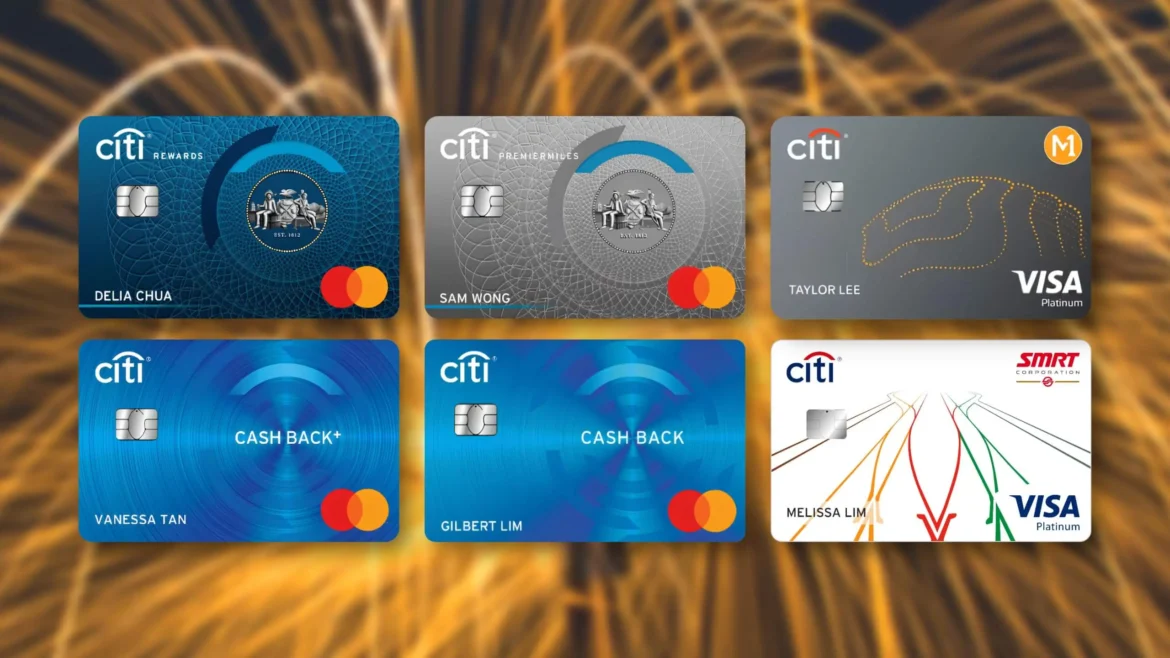
Citi offers a diverse range of credit cards tailored to various financial needs, from cash-back rewards to travel perks. Understanding the minimum requirements for approval is key to selecting the right card and boosting your chances of success. Factors like credit score, income, and credit history play a significant role in Citi’s evaluation process.
Navigating Citi’s application process can feel daunting, especially with varying requirements across cards. Whether you’re eyeing the Citi Double Cash® Card for its simplicity or the Citi Strata Premier® Card for travel rewards, knowing the eligibility criteria helps you apply confidently. This guide breaks down the essentials to prepare you for a smooth application.
This article outlines the recommended minimum requirements for Citi credit cards in 2025, covering credit scores, income, and other factors. From secured cards for beginners to premium options for seasoned cardholders, you’ll find clear insights to match your financial profile with the perfect Citi card.
General Requirements: The Basics for All Citi Cards
Citi’s baseline requirements apply to all credit card applicants, ensuring legal and financial eligibility. You must meet these criteria before specific card requirements come into play. Applications can be submitted online, by phone, or at a Citi branch. Accuracy in your application is critical to avoid delays or denials. Always review terms before applying.
Age and Legal Status
- Must be at least 18 years old to apply independently.
- Applicants aged 18–20 need proof of income to show repayment ability.
- A valid Social Security Number (SSN) or Individual Taxpayer Identification Number (ITIN) is required.
- Must have a physical U.S. address (no P.O. boxes).
- Knowingly providing false information is a federal crime.
Income Considerations
Citi doesn’t publish minimum income thresholds, but sufficient income is needed to cover monthly payments. You can include household income if you have access to it. Higher income improves approval odds, especially for premium cards. The debt-to-income (DTI) ratio is also evaluated. Provide accurate gross or net annual income on your application.
Application Process
Apply online for the fastest response, or call 1-800-347-4934 for assistance. In-person applications are available at Citi branches. A hard credit inquiry occurs upon submission, which may lower your score slightly. Pre-qualification tools on Citi’s website assess approval odds without impacting your credit. Review card terms, including fees and APR, before applying.
Credit Score Requirements: What You Need
Credit scores are a major factor in Citi’s approval decisions, with most cards requiring good to excellent credit. The FICO score range (580–850) guides eligibility, although other factors, such as payment history, also matter. Secured cards are options for those with limited credit. Check your score for free via Credit Karma or AnnualCreditReport.com. Aim to meet or exceed the recommended score for your target card.
Good to Excellent Credit (670–850)
- Most Citi cards, such as the Citi Strata Premier Card, require a credit score of 700 or higher.
- Excellent credit (800+) boosts approval odds for premium cards like the Citi® / AAdvantage® Executive World Elite Mastercard®.
- Payment history and credit utilization (below 30%) heavily influence your score.
- Recent hard inquiries can lower your score, so space out applications.
- Cards with high rewards or perks demand stronger credit profiles.
Fair Credit (580–669)
The Citi Double Cash Card is accessible to those with a fair credit score (580–669). It offers 2% cash back (1% at the time of purchase, 1% at the time of payment) with a $0 annual fee. Other fair-credit options include select Citi store cards, such as the Costco Anywhere Visa Card. These cards report to credit bureaus, helping to improve credit. Maintain on-time payments to boost your score over time.
Limited or No Credit
The Citi® Secured Mastercard® is designed for those with less than three years of credit history. Requires a $200–$2,500 refundable security deposit, equal to your credit limit. No annual fee and monthly reporting to credit bureaus help build credit. No minimum credit score is needed, making it ideal for beginners. Responsible use can lead to unsecured card upgrades.
Specific Card Requirements: Popular Citi Cards
Citi’s portfolio includes cards for cash back, travel, and credit building, each with unique requirements. Below are details for three popular cards, reflecting their credit and financial criteria. Approval depends on your overall creditworthiness, which includes your income and debt. Pre-qualification tools can gauge your eligibility. Compare benefits to align with your spending habits.
Citi Double Cash® Card
- Credit Score: Fair or better (580+), though 670+ improves odds.
- Income: Sufficient to cover minimum payments; no specific minimum disclosed.
- Key Features: 2% cash back (1% at purchase, 1% at payment), 0% intro APR on balance transfers for 18 months, $0 annual fee.
- Other factors: Low credit utilization and minimal recent inquiries can boost approval chances.
- Tip: Ideal for simple cash-back rewards and debt consolidation.
Citi Strata Premier® Card
- Credit Score: Good to excellent (700+ recommended).
- Income: A higher income is preferred due to the premium rewards structure.
- Key Features: Earns ThankYou Points transferable to travel partners, $95 annual fee, 10 points per $1 on hotels and car rentals via Citi Travel.
- Other: A strong payment history and a low DTI ratio are critical.
- Tip: Suits frequent travelers seeking flexible rewards.
Citi® Secured Mastercard®
- Credit Score: No minimum; designed for individuals with limited credit history (less than 3 years).
- Income: Must show ability to make minimum payments.
- Key Features: $200–$2,500 security deposit sets credit limit, $0 annual fee, reports to credit bureaus.
- Other: No rewards, but builds credit with responsible use.
- Tip: Perfect for beginners or those rebuilding credit.
Application Rules: Timing and Restrictions
Citi imposes rules to limit frequent applications and bonus churning, protecting their financial risk. Understanding these restrictions helps you time applications strategically. Violating rules often leads to automatic denials, so plan carefully. Check your credit report to track recent inquiries. Use Citi’s pre-qualification tool to avoid unnecessary hard pulls.
48-Month Bonus Rule
- Welcome bonuses (e.g., 20,000 ThankYou Points) are restricted if you’ve received a bonus for the same card in the past 48 months.
- Applies to cards such as Citi Double Cash, Citi Strata Premier, and AAdvantage cards.
- Closing and reapplying within 48 months won’t reset eligibility.
- Check application terms for bonus disclaimers.
- Affects personal and business cards differently.
Application Frequency Limits
Citi limits personal card applications to one every 8 days and no more than two in a 65-day window. Business card applications are restricted to one every 95 days. Exceeding these limits triggers automatic denials. Space out applications to avoid hard inquiries piling up. Monitor your application history to stay within bounds.
Credit Limit Considerations
Citi may cap the total credit across all your Citi cards, typically with a minimum of $200–$2,000 per card. High credit utilization or multiple cards may prompt denials or lower limits. Request a credit limit increase or close unused cards to free up available credit. The Citi Double Cash® Card starts at $500, while the Strata Premier® starts at $2,000. Approval depends on income and credit profile.
Tips to Boost Approval Odds
Maximizing your approval chances requires preparation and responsible credit management. Small steps can significantly improve your creditworthiness before applying. Regularly monitor your credit score and report any errors. Avoid common pitfalls, such as submitting multiple applications within a short period. Tailor your application to the card’s target audience for better results.
Improve Your Credit Score
- Pay bills on time to strengthen payment history (35% of FICO score).
- Maintain a credit utilization rate below 30%, ideally under 10%.
- Avoid new credit inquiries 6–12 months before applying.
- Dispute errors on your credit report via Equifax, Experian, or TransUnion.
- Use secured cards or become an authorized user to build credit.
Optimize Your Application
- Use Citi’s online pre-qualification tool to check eligibility without a hard inquiry.
- Apply for cards matching your credit profile (e.g., secured for beginners).
- Include all accessible income, such as household funds, if applicable.
- Limit applications to avoid signaling high debt risk.
- Call 1-866-606-2787 if denied to request reconsideration with supporting evidence.
Understand Card Terms
Read terms for APR, fees, and rewards before applying to avoid surprises. Note balance transfer fees (e.g., 3% intro, 5% standard) and foreign transaction fees (3% on some cards). Check for intro APR offers, such as 18 months on balance transfers with the Citi Double Cash card. Ensure rewards align with your spending (e.g., travel vs. cash back). Compare cards to find the best fit for your needs.
Common Pitfalls to Avoid
Applying without preparation can lead to denials and damage to your credit score. Awareness of Citi’s rules and your financial standing prevents costly mistakes. Denials often stem from mismatches in credit profiles or timing issues with the application. Learn from rejections by requesting feedback from Citi. Build a strategy to strengthen future applications.
Applying Too Frequently
- Submitting multiple applications within 8 days (for personal purposes) or 95 days (for business purposes) can lead to denials.
- Hard inquiries can lower your score by 3–5 points and remain on your credit report for up to a year.
- Wait three months after a hard inquiry before reapplying.
- Use pre-qualification tools to minimize unnecessary inquiries.
- Track your inquiries via free credit reports at AnnualCreditReport.com.
Mismatched Credit Profile
Applying for a premium card, such as the Citi® / AAdvantage® Executive World Elite Mastercard®, with fair credit often results in rejection. Match your credit score to the card’s requirements (e.g., 580+ for Citi Double Cash®). Secured cards are better suited for individuals with limited credit. Check your score before applying to avoid wasting inquiries. Improve your credit first if it is below the recommended range.
Read More: Best Credit Cards in India for Airport Spa Access
Ignoring Income and Debt
Low income or high DTI ratios signal repayment risk, lowering approval odds. Pay down existing debt to improve your DTI before applying. Include all income sources, such as spousal or side hustle earnings, if available. Be honest about income to avoid legal issues. High debt loads may require closing unused cards to qualify.
Conclusion
Citi’s 2025 credit card lineup offers options for diverse financial goals, from building credit with the Citi® Secured Mastercard® to earning rewards with the Citi Double Cash® Card. Approval hinges on meeting minimum requirements, such as a credit score of 580–700 or higher, sufficient income, and adherence to application rules. Use pre-qualification tools, improve your credit, and time applications strategically to maximize success in securing your ideal Citi card.
