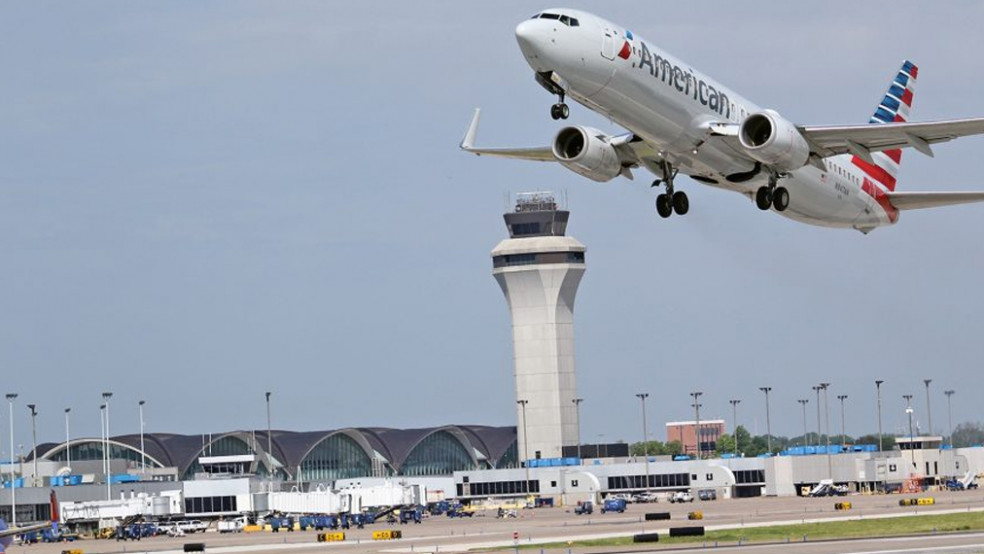
St. Louis Lambert International Airport (IATA: STL) is more than just a transportation hub—it’s a historical landmark, a regional economic engine, and a critical connector between the Midwest and the rest of the world. Serving millions of passengers annually, STL stands as the primary airport for the Greater St. Louis metropolitan area, delivering convenience, accessibility, and a growing roster of flight options.
Whether you’re catching a business trip to Chicago, a family vacation to Orlando, or an international connection to Europe, STL offers travelers a solid balance between regional comfort and global reach.
A Brief History of STL
St. Louis Lambert International Airport has a rich aviation legacy dating back to the early 20th century.
- Founded in 1920, STL is named after Albert Bond Lambert, a St. Louis aviator and Olympic medalist who leased the land to establish the airport.
- The airport is historically significant as the first municipally owned airport in the United States.
- STL played a crucial role in early aviation history, with Charles Lindbergh famously testing aircraft at Lambert Field prior to his transatlantic flight in 1927.
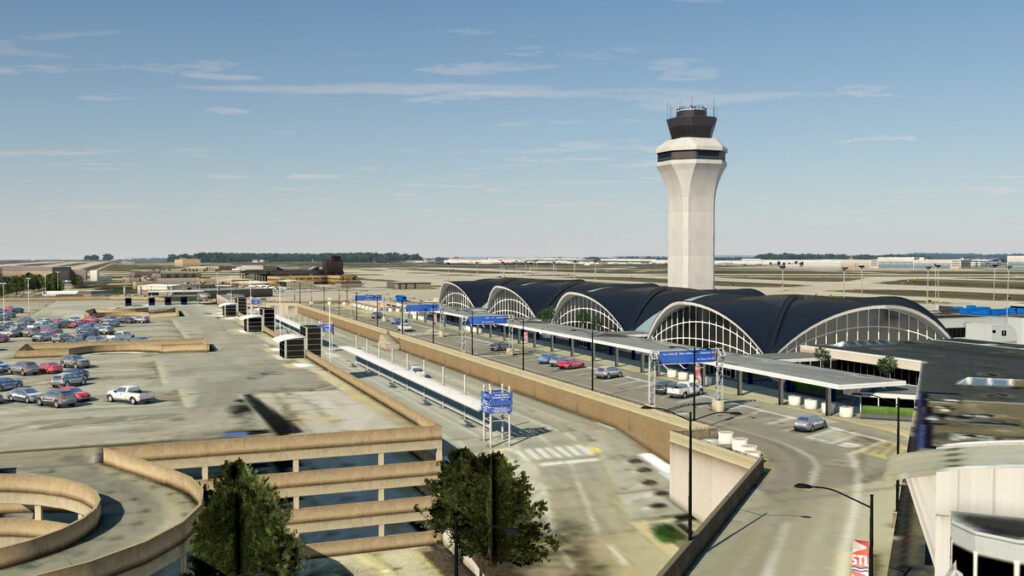
As commercial aviation evolved, STL became a hub of activity for several airlines, particularly TWA (Trans World Airlines), which operated a major hub at the airport for decades until American Airlines acquired the carrier and scaled back operations.
Read More: Best Indian Credit Cards for International Lounge Access
Airport Terminals and Layout
STL consists of two main terminals—Terminal 1 and Terminal 2—each designed for efficient travel while offering distinct airline services.
Terminal 1
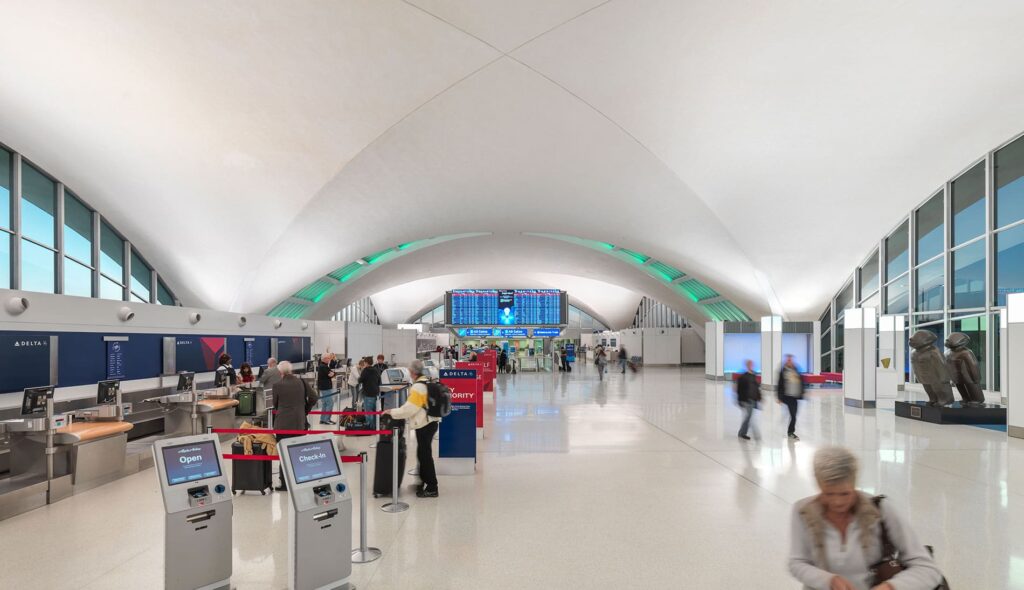
- Serves most legacy carriers, including American, Delta, United, Air Canada, and Alaska Airlines.
- Contains Concourses A, B, C, and D (though B and D are currently closed or repurposed).
- Features TSA PreCheck, CLEAR lanes, and numerous food, retail, and rental services.
Terminal 2
- Dedicated primarily to Southwest Airlines, STL’s largest carrier.
- Also serves international arrivals with U.S. Customs and Border Protection facilities.
- Houses Concourses E, with a modernized terminal feel and spacious gate areas.
Both terminals are connected by a free inter-terminal shuttle, and parking garages offer long-term and short-term options, including premium garage parking directly connected to the terminal walkways.
Airlines and Destinations
As of 2025, STL is served by more than a dozen airlines offering non-stop service to over 70 domestic and international destinations, including:
- Domestic Cities: Chicago, Denver, Las Vegas, New York, Atlanta, Phoenix, Dallas, Orlando, Los Angeles, Seattle
- Seasonal Flights: To popular vacation destinations like Cancun, Montego Bay, and San Juan
- International Service: Limited but includes seasonal charter and scheduled flights to Mexico and the Caribbean
Top Airlines Operating at STL:
Southwest Airlines (Largest market share)
- American Airlines
- Delta Air Lines
- United Airlines
- Frontier Airlines
- Allegiant Air
- Air Canada
- Sun Country Airlines
Ground Transportation and Accessibility
St. Louis Lambert International Airport is located just 14 miles northwest of downtown St. Louis, making it one of the more accessible airports in the Midwest.
Transportation Options Include:
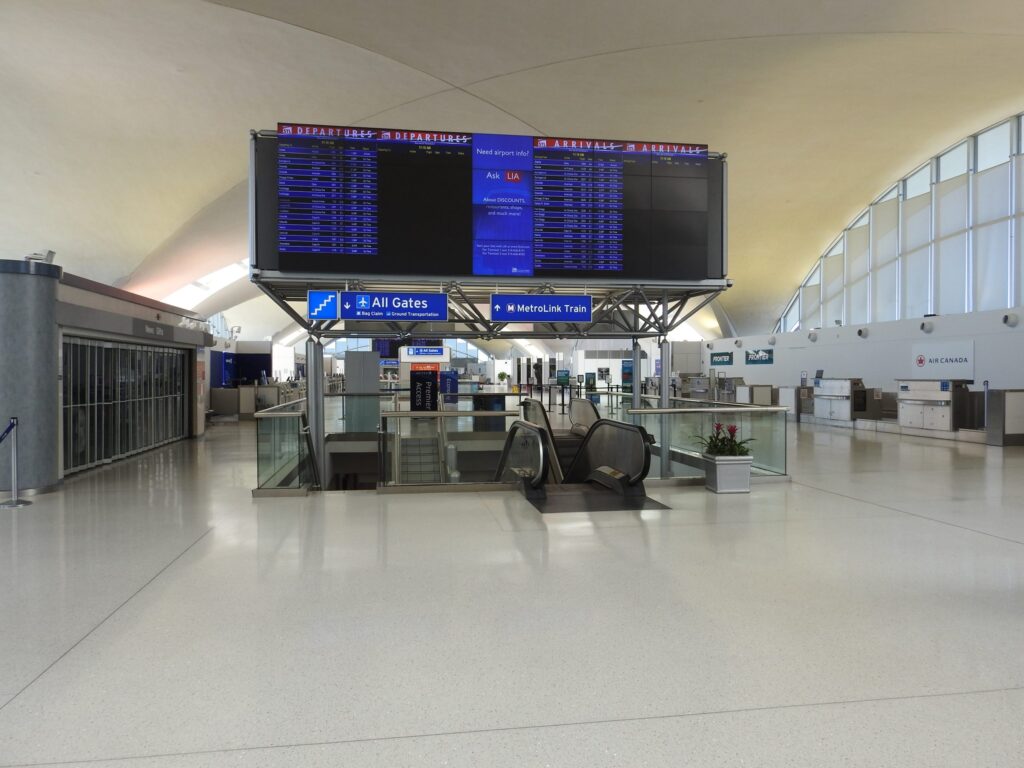
- MetroLink Light Rail: STL is one of the few U.S. airports with direct rail service to the city center. The Red Line provides quick and affordable transport to downtown.
- Rental Cars: On-site rental agencies operate from the Rental Car Center, accessible via shuttle.
- Rideshare & Taxis: Dedicated zones exist for Uber, Lyft, and traditional taxis near terminal exits.
- Shuttle Services: Serve hotels, business districts, and parking lots with high frequency.
- Public Buses: MetroBus services run to several surrounding neighborhoods.
The airport also features ADA-compliant pathways, restrooms, elevators, and shuttle services, ensuring accessibility for travelers with disabilities.
Dining and Shopping at STL
While smaller than mega-hubs like O’Hare or JFK, STL offers a satisfying range of dining and shopping choices that reflect local culture and national brands.
Dining Highlights
- The Pasta House Co. – A local Italian favorite
- Schlafly Beer – St. Louis’s beloved craft brewery, with taps inside the terminal
- Urban Chestnut Brewing – Another regional gem
- Chili’s, Starbucks, Dunkin’, and Auntie Anne’s – Available throughout both terminals
Shopping Highlights
- Hudson News – Convenience stores for books, snacks, and travel gear
- Discover St. Louis – Souvenirs and STL-themed items
- Duty-Free Stores – Available for international travelers in Terminal 2
Digital kiosks, free Wi-Fi, and charging stations make the airport tech-friendly, with plenty of seating areas and workspaces for business travelers.
Security, Services, and Amenities
TSA and Security
- STL provides standard and TSA PreCheck lanes
- CLEAR enrollment and fast-track lanes available at Terminal 2
Family Services
- Mother’s Nursing Rooms: Located in both terminals
- Family Restrooms
- Children’s Play Areas
Business and Travel Services
- Free Wi-Fi throughout terminals
- ATM and Currency Exchange available
- USO Lounge for military personnel and families
- Conference Rooms and work pods
Recent Improvements and Future Plans
STL has undergone steady improvements in recent years, focusing on customer experience and long-term viability.
Notable Projects Include:
- Terminal Modernization: Ongoing upgrades to Terminal 2’s concourse and boarding areas
- Runway Improvements: Enhancements for noise reduction and flight efficiency
- Smart Parking Technologies: Real-time space availability, QR code access, and mobile payments
- New Gate Seating and Wayfinding Systems
In 2024, the airport launched a Master Plan Study to evaluate long-term redevelopment that may include consolidating terminals, improving intermodal transit, and attracting more international service.
Safety and Sustainability
STL emphasizes operational safety and environmental responsibility. Its sustainability initiatives include:
- LED runway lighting
- Stormwater recycling systems
- Low-emissions shuttle fleets
- Partnerships with local recycling agencies
The airport also adheres to FAA safety protocols, with ongoing staff training and emergency preparedness drills.
STL’s Economic and Cultural Impact
St. Louis Lambert International Airport is more than an airport—it’s a regional cornerstone.
- Economic Driver: STL supports tens of thousands of jobs, both directly and indirectly, and contributes billions of dollars annually to the regional economy.
- Gateway to Events: The airport plays a key role during major city events like St. Louis Cardinals games, Anheuser-Busch tours, arch tourism, and college commencements.
- Military Significance: Close to Scott Air Force Base, STL serves as a key transportation point for defense-related travel.
Fun Facts About STL
- Home of the First Air Traffic Control Tower in the U.S.
- One of the oldest airports in continuous operation in the nation.
- Terminal 1 was designed by Minoru Yamasaki, the same architect who designed the original World Trade Center.
- STL was featured in several films, including Planes, Trains and Automobiles.
Final Thoughts
St. Louis Lambert International Airport may not be the busiest or flashiest airport in the United States, but it excels in efficiency, accessibility, and regional service. With a growing network of destinations, a manageable layout, and a strong emphasis on modernization, STL continues to serve as a vital gateway to and from the Midwest.
For travelers seeking a low-stress airport with Midwestern hospitality and strategic connectivity, STL proves itself as a well-rounded, traveler-friendly airport ready for the future.
