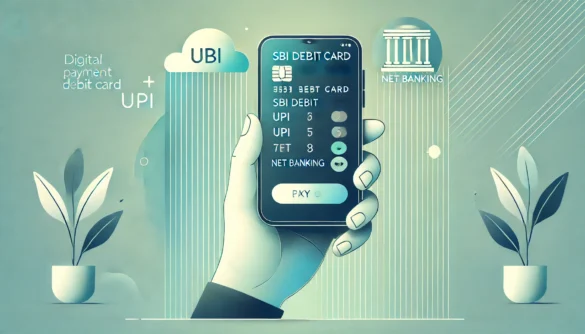
There was a time when using a debit card from any bank for online payments was as easy as it gets. Imagine a day in the life of an average internet shopper. You’ve added items to your cart, you’re ready to check out, and you reach for your debit card. You enter the details, and with a smooth tap or click, the payment is done. Simple, right? But what happens when your trusted payment method suddenly stops working? This is exactly what happened when the SBI UNIPAY removed other banks debit card option again.
Let’s take a deeper dive into this. State Bank of India (SBI) has long been one of the most trusted names in Indian banking. However, the recent removal of the other banks debit card option on SBI UNIPAY has caused confusion, frustration, and concern among many customers who rely on the platform for their online transactions. Whether you’re an SBI customer or someone with a debit card from another bank, this change is significant.
What Exactly Is SBI UNIPAY?
Before we dive into the core of the issue, let’s first understand SBI UNIPAY. SBI UNIPAY is an online payment gateway service provided by SBI. It enables secure, fast, and convenient payments for various services and products across different online platforms. If you’re accustomed to shopping online, you might have already used SBI’s UNIPAY system for debit card payments.
Historically, UNIPAY has allowed users to link debit cards from other banks as well. This inclusivity allowed individuals who had accounts in different banks to still use their debit cards to pay for services using SBI’s secure infrastructure.
But here’s the catch – the recent removal of other banks debit card option has been frustrating for many users. SBI UNIPAY now only supports SBI debit cards, effectively locking out a large portion of the population from utilizing the platform for payments.

The Real Reason Behind The Removal of Other Banks Debit Card Option
Why did SBI remove the other banks debit card option again?
That’s the million-dollar question everyone has been asking. To put it simply, there’s no clear, public explanation from SBI on why they made this decision. However, we can look at potential factors that could have influenced the move.
Security Concerns
In a world that’s rapidly becoming more digital, security is a major concern. Fraudulent transactions, identity theft, and online scams have been on the rise. It’s possible that SBI decided to restrict the system to only SBI debit cards in a bid to offer better security to their customers.
By focusing on SBI debit cards, they may be able to integrate better fraud detection systems, ensuring their customers’ data and financial details remain safe.
Streamlining Operations
Sometimes businesses make tough decisions to improve their services. By limiting the number of debit card options, SBI might be seeking to streamline operations within their platform. Fewer variables mean better control, which could potentially lead to a smoother, faster transaction experience for customers.
Partnership and Business Strategy
There could be a deeper business strategy behind the decision. SBI might be looking to drive more users toward their own SBI debit cards, increasing usage and ultimately boosting their own products. By narrowing the options, they could incentivize customers to sign up for an SBI account.
Whatever the reason may be, the fact is that many SBI UNIPAY users are left wondering how this change will affect them.
How Does This Impact You?
For customers of other banks, the removal of this option from SBI UNIPAY could mean a sudden halt in their usual payment routines. Here’s a quick look at how this decision impacts different groups:
Customers of Other Banks
If you have a debit card from another bank, you might be used to linking it to your SBI account for easy online payments. With this change, you’re now left with fewer options for making payments on platforms that rely on SBI UNIPAY. For many, this can be a major inconvenience.
SBI Customers
If you are an SBI customer, this change may not seem as dramatic, as your SBI debit card will still work. But, if you’ve been accustomed to paying through other bank cards linked to your account, you might find yourself scrambling for alternatives. SBI debit card holders will have to adjust to new payment workflows, and some customers might find it irritating to lose the flexibility they once enjoyed.
Online Merchants and E-commerce Platforms
From an e-commerce perspective, this change can disrupt the way payments are processed. Online merchants and e-commerce platforms who have integrated SBI UNIPAY for payment processing might now have to re-evaluate their payment gateway strategy.
Step-by-Step Guide: What Can You Do Now?
For those caught in the middle of this change, it’s important to know what alternatives exist. Here’s a step-by-step guide to navigate the situation and get your payments back on track.
Check Your SBI UNIPAY Settings
First, log into your SBI UNIPAY account and check whether your payment method is still linked to another bank’s debit card. If your old debit card is no longer showing up as an option, you may need to delete it and add a new payment method.
Get an SBI Debit Card
If you don’t already have an SBI debit card, you might want to apply for one. Given that SBI is now prioritizing their own cards for payments, having an SBI debit card will ensure you continue to enjoy smooth transactions.
Explore Other Payment Methods
If you’re unwilling or unable to get an SBI debit card, consider other payment methods such as UPI, net banking, or e-wallets that are still accepted by many platforms.
Contact Customer Support
If you’re still confused or facing issues, contact SBI customer support for further clarification. They might provide insights into future plans or assist you with troubleshooting the problem.
The Road Ahead: What Does the Future Hold for SBI UNIPAY?
This sudden move to remove other banks debit card option again has undoubtedly raised questions. Will this decision be temporary? Will SBI UNIPAY ever reinstate support for other bank cards?
At the moment, it’s hard to predict. However, the changes made by SBI UNIPAY seem to be part of a larger plan to focus on their own products and improve security and service. It’s clear that SBI is heavily invested in its own debit card system, and they may be trying to simplify and secure the platform.
As SBI UNIPAY continues to evolve, we can expect more changes in the future. Whether for better or worse, this is a reminder of how quickly the digital payments space can shift.
Frequently Asked Questions
Why did SBI UNIPAY remove the option to use other banks’ debit cards?
SBI UNIPAY removed the option to use other banks’ debit cards likely due to security concerns, transaction processing costs, or to promote the exclusive use of SBI debit cards for online payments. This change could also be part of a broader strategy to strengthen SBI’s ecosystem and reduce dependency on third-party bank services.
How will this change impact users who previously used other banks’ debit cards?
Users who relied on non-SBI debit cards for payments through SBI UNIPAY may face inconvenience. They’ll need to either switch to an SBI debit card or find alternative payment methods, such as credit cards, UPI, or net banking. This could impact regular transactions, including bill payments and e-commerce purchases.
Can users still use other payment methods on SBI UNIPAY?
Yes, users can still use alternative payment options such as UPI (Unified Payments Interface), net banking, and credit cards. However, the removal of other banks’ debit card options limits flexibility for those who prefer paying with their debit cards from non-SBI accounts.
What steps should users take if they don’t have an SBI debit card?
If you don’t have an SBI debit card and frequently use SBI UNIPAY, you can:
- Apply for an SBI debit card via online or offline channels.
- Switch to other payment options like UPI or net banking for transactions.
- Explore wallet-based payment apps that still support multiple bank debit cards.
Is this a permanent change, or can users expect the option to return?
As of now, it’s unclear whether this removal is temporary or permanent. It depends on SBI’s policies and future updates. Users are advised to keep an eye on official SBI announcements or visit the nearest SBI branch for clarification.
Conclusion
The recent removal of the other banks debit card option from SBI UNIPAY has caused a significant stir, with many customers feeling frustrated by the limitations it places on their online transactions. While there is still much speculation about the reasons behind the change, it’s clear that the move is part of a larger trend toward securing payment systems and promoting SBI’s own financial products.
For users affected by this change, it’s essential to adjust quickly by either obtaining an SBI debit card or exploring alternative payment methods. Stay tuned to further updates from SBI UNIPAY, and always keep an eye on the evolving world of digital payments!
