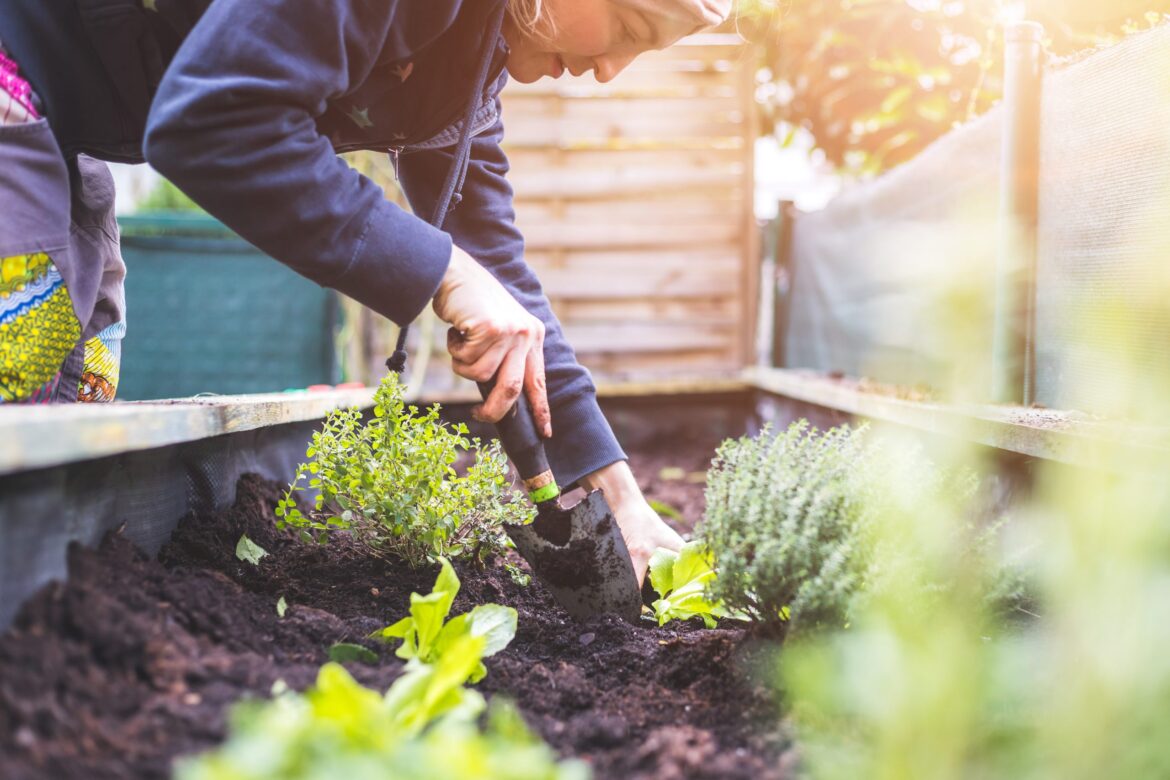
Starting a Raised Garden Beds is an exciting project, but one of the biggest challenges gardeners face is sourcing enough soil. Buying bagged soil from garden centers can become expensive very quickly, especially if you need to fill multiple beds. Fortunately, there are numerous creative and practical ways to find soil without breaking the budget. The secret lies in combining resourcefulness with a willingness to look beyond traditional garden stores.
By exploring free and low-cost options, you can create a thriving raised bed garden without incurring hundreds of dollars in expenses. Many of these soil sources are overlooked because people assume they are too inconvenient, but with a little planning, they can become your best solution. Whether you are a beginner gardener or someone expanding your food-growing space, finding affordable soil can make your gardening goals more achievable.
In this guide, we will walk through several proven strategies for locating free or cheap soil. You will learn how to take advantage of community resources, reuse natural materials, and even transform waste into productive soil. Each method has its own benefits, and when used together, they can significantly reduce your gardening costs while providing rich, healthy soil for plants.
Community-Based Soil Sources
Local Gardening Groups
Joining local gardening clubs or online neighborhood groups is one of the fastest ways to find soil. Members often share resources, including leftover soil from landscaping projects. By networking, you may discover neighbors willing to give away soil for free rather than hauling it away. Many communities also organize soil swaps where extra soil is redistributed among gardeners. This approach saves money and builds connections with like-minded growers.
Community Compost Programs
Many municipalities and nonprofit organizations offer compost pickup or drop-off programs. Finished compost from these facilities is sometimes distributed free or at very low cost to residents. Compost is nutrient-dense and improves soil structure, making it an excellent component for raised garden beds. Check your city website or local recycling center to see if a program exists. With consistent participation, you can supply a large portion of your soil needs from community compost.
Landscaping Companies and Contractors
Landscaping companies often remove large amounts of soil during construction or renovation projects. Instead of paying for disposal, many contractors are willing to give the soil away. The quality may vary, but with amendments and composting, this soil can be revitalized for raised beds. Contacting companies directly or posting requests on local bulletin boards can connect you with free bulk soil that would otherwise go to waste.
Natural and On-Site Soil Sources
Forest Floor Collection
Wooded areas naturally accumulate organic matter in the form of fallen leaves, twigs, and decomposed plant material. This material, often referred to as leaf mold, is rich in nutrients and improves soil moisture retention. If you have access to a wooded area and permission to gather, you can collect this natural soil component to enrich raised beds. Be mindful to harvest sustainably without disturbing natural ecosystems.
Yard and Garden Waste
Instead of bagging up grass clippings, leaves, and other yard debris for disposal, repurpose them into garden soil. Layering organic waste in raised beds helps create a natural composting effect known as lasagna gardening. Over time, the material breaks down into fertile soil that nourishes plants. Using your own yard waste reduces costs and creates a closed-loop system where nothing is wasted.
Topsoil From Your Property
In many cases, digging during home projects exposes usable topsoil. Pathway construction, fence installation, or other landscaping tasks can provide excess soil that can be transferred into raised beds. Before removing it, ensure the soil is free from contaminants. Amending it with compost or manure enhances fertility. By reusing soil from your property, you save both time and transportation costs.
Free and Low-Cost Online Resources
Online Classifieds
Websites like Craigslist, Freecycle, or Facebook Marketplace often have listings for free soil. Homeowners with leftover soil from projects usually prefer giving it away instead of paying disposal fees. These platforms allow you to filter by location, making it easy to find soil nearby. Acting quickly is important since free soil listings are often claimed within hours of posting.
Local Recycling Centers
Recycling centers sometimes offer soil, mulch, and compost generated from municipal green waste programs. While some facilities charge a small fee, many allow residents to collect free soil on specific days. Bringing your own containers or truck can maximize your haul. This is one of the most reliable ways to secure large amounts of soil at little or no cost.
Social Media Community Groups
Neighborhood social media pages and apps such as Nextdoor are excellent for connecting with people giving away soil. Home improvement projects frequently leave residents with extra topsoil that they are eager to remove. Posting a request in these groups often results in quick responses. Building connections this way can also lead to future opportunities for free or inexpensive soil.
Repurposing Organic Waste Into Soil
Kitchen Scraps and Composting
Turning food waste into compost is one of the simplest ways to generate soil material for raised beds. Vegetable peelings, fruit scraps, coffee grounds, and eggshells can all be composted. Over several months, these scraps decompose into nutrient-rich compost that enhances soil fertility. Composting also reduces household waste, making it a sustainable choice for eco-friendly gardening.
Manure From Local Farms
Many farms give away manure, especially horse or cow manure, to gardeners who can haul it themselves. Manure adds essential nutrients to soil and significantly improves plant growth. It is important to compost fresh manure before using it directly in raised beds to avoid burning plants. Contacting local stables or farms can provide a steady supply of free organic matter.
Grass Clippings and Leaf Mulch
Grass clippings and autumn leaves can be collected, shredded, and added directly to raised beds. These materials slowly break down, creating a natural mulch that feeds the soil. They also help retain moisture and suppress weeds. Gathering and reusing organic waste from your yard keeps soil costs low while enriching your raised garden ecosystem.
- Provides organic nutrients as material decomposes
- Saves money by reducing store-bought soil amendments
- Encourages healthier plant growth through improved soil structure
Partnering With Local Businesses
Tree Services and Wood Chips
Tree trimming companies often have wood chips they need to dispose of. Many will deliver these chips to homeowners for free. While not soil by themselves, wood chips make an excellent base layer in raised beds. Over time, they decompose and add organic matter to the soil. Requesting delivery from local tree services ensures a steady supply of free material for your garden.
Breweries and Coffee Shops

Local breweries produce spent grain, and coffee shops generate used coffee grounds. Both of these byproducts are valuable soil amendments. Spent grain provides bulk organic matter, while coffee grounds add nitrogen. By establishing relationships with these businesses, gardeners can collect these materials at no cost. These partnerships create win-win situations, reducing waste for businesses and providing free soil components for you.
Grocery Stores and Food Markets
Some grocery stores give away unsellable produce that can be composted into soil. Fruits and vegetables past their prime may no longer be suitable for sale but still decompose into rich organic matter. Collecting discarded produce requires coordination with store managers but can become a reliable source of composting material. This strategy not only reduces food waste but also provides free resources for gardeners.
- Reduces landfill waste while supporting sustainable gardening
- Provides access to nutrient-dense organic matter
- Strengthens community relationships through resource sharing
Strategies for Maximizing Soil Savings
Combining Multiple Sources
Relying on just one source may not provide enough soil, but combining several methods ensures success. For example, you can use free topsoil from a construction site as a base layer, mix in compost from your kitchen, and top it off with leaf mulch from your yard. This layering strategy balances cost savings with soil quality, giving your plants a fertile growing environment.
Timing and Planning
Planning ahead is crucial when seeking free or cheap soil. Many resources, such as autumn leaves or spring compost giveaways, are seasonal. Marking these opportunities on your calendar helps you gather materials at the right time. By thinking ahead, you can accumulate soil resources gradually and avoid paying high prices during peak gardening season.
Read More: The Difference Between Shrubs and Bushes (and Why It Matters)
Transport and Storage Solutions
Acquiring soil is only half the challenge; moving and storing it efficiently is equally important. Borrowing a truck or trailer can save on delivery costs. Large bins, tarps, or dedicated compost areas help keep soil materials organized. Investing in simple storage solutions ensures that free or cheap soil sources remain usable until you are ready to fill your raised beds.
- Saves time by preparing for seasonal soil opportunities
- Ensures consistent access to multiple soil sources
- Reduces dependence on expensive bagged soil from stores
FAQs
Is free soil safe for gardening?
Most free soil sources are safe, but it is important to check for contaminants. Avoid soil from industrial sites or areas exposed to chemicals. Amending with compost can improve quality and reduce risks.
How much soil do I need for a raised bed?
The amount of soil depends on the size of your bed. As a general rule, calculate the volume by multiplying length, width, and depth. For example, a 4×8 bed that is 12 inches deep requires about 32 cubic feet of soil.
What is the best soil mix for raised beds?
A common formula is 60 percent topsoil, 30 percent compost, and 10 percent soilless mix such as perlite or vermiculite. This balance ensures good drainage, fertility, and structure. Adjust ratios based on what free materials are available to you.
Can I fill an entire bed with compost?
Pure compost is too rich and may not drain well. It is best to blend compost with topsoil or other materials. Layering methods such as lasagna gardening allow compost to integrate gradually into the soil.
How long does it take to create soil from compost?
Depending on conditions, compost can take three to six months to break down into usable soil. Regular turning, moisture management, and balanced materials speed up the process.
Conclusion
Finding free or cheap soil for raised garden beds is possible with creativity, patience, and a willingness to explore unconventional sources. From community compost programs and local contractors to kitchen scraps and partnerships with businesses, there are countless ways to build fertile soil without high costs. By combining multiple methods, planning ahead, and reusing organic materials, you can save money while creating a thriving garden. Affordable soil is within reach, and with these strategies, your raised beds can flourish for years to come.
