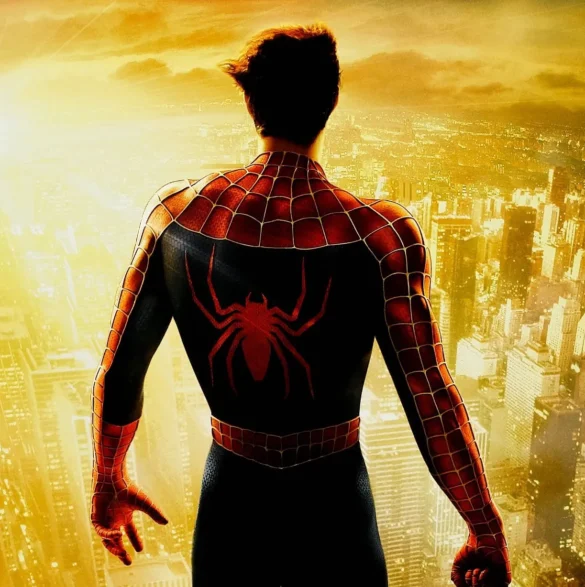
Spider-Man, a cornerstone of Marvel’s legacy, has enthralled audiences since his debut in 1962. As one of the most iconic superheroes, Peter Parker’s alter ego has thrived across comics, television, video games, and films, maintaining relevance in an ever-evolving pop culture landscape. His relatable struggles, witty demeanor, and moral compass have cemented his status as a beloved figure. This extensive guide delves into Spider-Man’s origins, cinematic history, actors, adversaries, physical prowess, age in the Marvel Cinematic Universe (MCU), and broader cultural significance, offering a thorough resource for fans and curious minds alike.

Creation of Spider-Man
Spider-Man emerged from the creative synergy of Stan Lee and Steve Ditko, debuting in Amazing Fantasy #15 in August 1962. According to Britannica, Lee sought to craft a hero who embodied the struggles of everyday life, while Ditko’s artistry brought the character’s dynamic web-slinging and expressive costume to life. Peter Parker, a teenage orphan bitten by a radioactive spider, gained superhuman abilities and learned the weight of responsibility after the tragic loss of his Uncle Ben. This origin story, rooted in the mantra “With great power comes great responsibility,” redefined superhero narratives by blending youthful vulnerability with extraordinary heroism, setting Spider-Man apart in the Marvel universe.
Spider-Man’s Cinematic Journey
Spider-Man’s film history spans multiple franchises, reflecting his adaptability and widespread appeal. Eight live-action films have been released across three distinct universes, complemented by acclaimed animated features. The first trilogy, directed by Sam Raimi from 2002 to 2007, established SM as a cinematic icon with its heartfelt storytelling. Marc Webb’s The Amazing SM duology (2012–2014) offered a modernized take, focusing on a grittier Peter Parker. The MCU trilogy, comprising SM : Homecoming (2017), Far From Home (2019), and No Way Home (2021), integrated Spider-Man into a broader superhero universe, emphasizing his youth and growth. Additionally, SM : Into the Spider-Verse (2018), an animated masterpiece, introduced Miles Morales, earning an Academy Award for its innovative storytelling and vibrant visuals. A sequel, Across the Spider-Verse (2023), further expanded this multiversal narrative, showcasing Spider-Man’s versatility across media.
Actors Bringing Spider-Man to Life
Three actors have defined SM live-action portrayals, each offering a unique interpretation. Tobey Maguire starred in the Raimi trilogy, capturing Peter Parker’s earnestness and emotional depth, resonating with audiences in the early 2000s. Andrew Garfield, in the Webb films, portrayed a more introspective and contemporary Peter, appealing to fans seeking a fresh perspective. Tom Holland, the MCU’s SM, embodies a youthful, charismatic Peter, navigating high school and superhero duties with infectious energy. His performance, starting with Captain America: Civil War (2016), has been praised for its authenticity and charm. Each actor’s portrayal has contributed to SM enduring cinematic legacy, with their convergence in No Way Home celebrating the character’s multifaceted history.

Spider-Man’s First Supervillain
Spider-Man’s earliest supervillain, the Chameleon, appeared in The Amazing Spider-Man #1 in 1963. A master of disguise, the Chameleon challenged SM intellect rather than physical strength, using impersonation to create chaos. Though less prominent than iconic foes like Green Goblin or Doctor Octopus, the Chameleon’s debut marked the beginning of SM diverse rogues’ gallery. His obscurity in modern media, compared to more cinematic villains, underscores the depth of Spider-Man’s adversaries, who range from street-level threats to cosmic challenges, each testing Peter Parker’s resourcefulness and resolve.
Spider-Man’s Strength and Abilities
Spider-Man’s physical prowess, particularly as Peter Parker, is a hallmark of his character. In the comics, Marvel’s official strength scale rates him at 4 out of 7, surpassing Captain America (3) but below The Thing (6) and Hulk (7). Capable of lifting approximately 10 tons, Spider-Man often restrains his strength to avoid harming opponents, reflecting his ethical restraint. His agility, web-based mobility, and spider-sense enhance his combat effectiveness, making him a versatile hero. In the MCU, his strength is showcased in Captain America: Civil War, where he halts a punch from the Winter Soldier’s vibranium arm, a feat impressive given the Super Soldier’s enhanced power and the arm’s indestructible nature. Another iconic moment, depicted in SM : Homecoming (referenced on Wallpaper Flare), shows Spider-Man straining to hold a ferry together as it splits apart, highlighting his superhuman endurance and determination. These instances underscore his deceptive strength, blending raw power with strategic finesse.
Spider-Man’s Age in the MCU
In the MCU, Tom Holland’s SM is portrayed as a high school student, aligning with his teenage origins in the comics. In Spider-Man: Homecoming, Peter Parker is approximately 15 years old, navigating sophomore year challenges. By SM Far From Home, he is around 16, and in SM : No Way Home, his concerns about college applications suggest he is approximately 18, likely in his senior year. This youthful portrayal emphasizes SM coming-of-age arc, balancing school, relationships, and superhero responsibilities. The MCU’s focus on a younger Peter differentiates it from earlier films, where Tobey Maguire and Andrew Garfield portrayed slightly older versions, offering a fresh perspective on his formative years.
Spider-Man’s Cultural Significance
Spider-Man’s enduring popularity stems from his universal relatability. Peter Parker’s struggles—financial hardship, personal loss, and balancing responsibilities—mirror everyday challenges, making him accessible to diverse audiences. His moral philosophy, encapsulated by Uncle Ben’s famous words, resonates across generations, emphasizing accountability and sacrifice. SM presence spans comics, animated series like Spider-Man: The Animated Series (1994–1998), video games such as Marvel’s SM (2018), and films, each medium reinterpreting his story. The multiversal narrative of No Way Home, uniting Maguire, Garfield, and Holland, celebrated Spider-Man’s diverse iterations, reinforcing his cultural impact. His ability to evolve while retaining core traits ensures his relevance in an ever-changing pop culture landscape.

Evolution Across Media Platforms
Spider-Man’s adaptability is evident in his evolution across media. In the 1960s, he addressed teenage alienation, resonating with youth culture. The Raimi films captured post-9/11 heroism, emphasizing sacrifice and resilience. The MCU portrays SM as a millennial and Gen Z hero, grappling with modern anxieties like social media and identity. The introduction of Miles Morales in Into the Spider-Verse brought diversity to the SM mantle, broadening its appeal. Video games, particularly Insomniac’s Marvel’s SM series, offer immersive open-world experiences, blending narrative depth with interactive gameplay. Each medium has reimagined SM, ensuring his story remains fresh and relevant.
Spider-Man’s Rogues’ Gallery
Beyond the Chameleon, SM villains include iconic figures like Green Goblin, Doctor Octopus, and Venom, each presenting unique challenges. Green Goblin’s psychological torment and Doctor Octopus’s scientific brilliance push Spider-Man to his limits, while Venom’s symbiotic nature tests his physical and emotional resilience. These adversaries, alongside lesser-known foes like Mysterio and Sandman, create a dynamic rogues’ gallery that reflects Spider-Man’s versatility. Their cinematic portrayals, particularly in No Way Home, have elevated their status, showcasing how Spider-Man’s battles shape his growth as a hero.
Future of Spider-Man
Spider-Man’s future remains bright, with potential for further exploration in comics, films, and games. The success of the Spider-Verse films suggests continued focus on multiversal storytelling, while the MCU may expand on Peter Parker’s post-No Way Home journey as an independent hero. Upcoming video game sequels, like Marvel’s SM 2 (2023), promise deeper narratives and gameplay innovations. SM ability to adapt to cultural shifts ensures his relevance for future generations, maintaining his status as a pop culture titan.
Conclusion
SM 60-year legacy reflects his timeless appeal and adaptability. From his 1962 debut to his modern incarnations, Peter Parker’s journey as a hero resonates with audiences worldwide. His cinematic portrayals, diverse media presence, and moral core have solidified his place in pop culture. As SM continues to swing through new stories and challenges, his enduring mantra of responsibility and resilience will keep him a beloved figure for decades to come.
