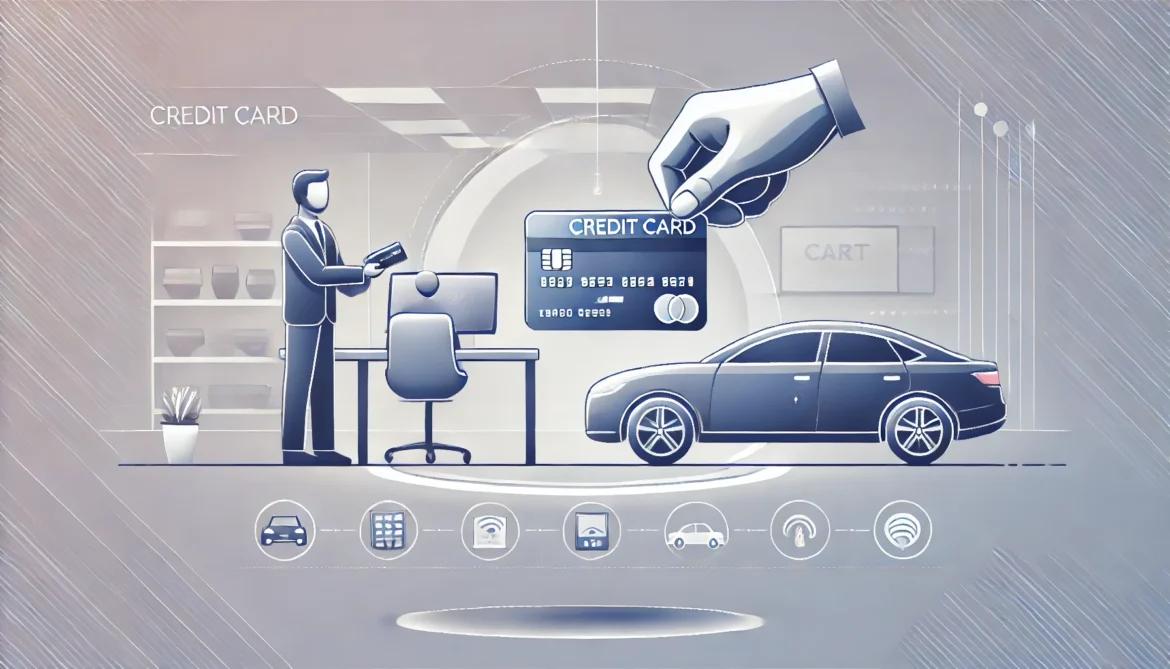
Buying a car is a milestone moment. For some, it’s a symbol of freedom; for others, it’s a necessity for work or family. But have you ever wondered, can you buy a car using a credit card? This question isn’t just a fleeting thought—it’s a fascinating topic with financial, logistical, and practical implications. Let me take you on a journey through this idea, peppered with real-life insights, stories, and a step-by-step guide to help you decide if this payment method could work for you.
The Curious Case of Sam’s New Ride
Sam was a tech-savvy millennial who loved efficiency. When he finally decided to upgrade from his trusty old hatchback to a shiny sedan, he stumbled upon an idea: Could I pay for this car with my credit card? On one hand, the thought of earning massive reward points was tempting. On the other, he worried about hidden fees and potential downsides. His experience navigating this payment method might just be the story you need to hear to decide for yourself.
Can You Pay for a Car Using a Credit Card?
The short answer: Yes, it’s possible—but with conditions.
Car dealerships and financial institutions often allow partial or full payment via credit card. However, they might have restrictions due to transaction fees or risks associated with high-value purchases. Let’s break this down step by step.
Why Would You Use a Credit Card to Buy a Car?
Reward Points and Cashbacks
Credit cards are famous for offering perks like reward points, cashbacks, and travel miles. Buying a car can be a big-ticket purchase that helps you rack up substantial rewards in one go. For instance, if your card offers 2% cashback on purchases, a $30,000 car could yield $600 in rewards!
Convenience and Speed
Let’s admit it—wiring money or writing checks can feel old-fashioned. Paying with a credit card is quick and hassle-free.
Interest-Free Periods
Some credit cards come with introductory 0% APR offers, allowing you to spread the cost over several months without incurring interest charges. This can act as a short-term, interest-free loan if used wisely.
The Potential Downsides
While the benefits are alluring, there are a few caveats you should keep in mind:
Dealer Restrictions
Not every dealer will accept credit card payments for large amounts due to processing fees (usually 2-3% of the transaction). Some might cap the amount you can pay via credit card, say $5,000 or $10,000.
High Interest Rates
If you don’t pay off your balance in full, the interest rates on credit cards can soar, negating any rewards or cashback you earned.
Impact on Credit Score
Maxing out your credit limit can temporarily hurt your credit utilization ratio, which plays a significant role in your overall credit score.
Step-by-Step Guide to Buying a Car with a Credit Card
Check with the Dealer
Before anything else, ask the dealership if they accept credit cards for car payments. Be specific: inquire about limits, fees, and whether they’ll charge you extra for using this payment method.
Analyze Your Card Benefits
Review the rewards, cashback, or travel benefits your credit card offers. Ensure they outweigh any transaction fees or potential interest costs.
Confirm Your Credit Limit
A typical car costs thousands of dollars, so make sure your credit limit can accommodate the purchase. If not, request a temporary credit limit increase from your bank.
Plan for Full Payment
To avoid hefty interest charges, pay off the full balance by the due date. This is especially crucial if your card doesn’t offer a 0% APR period.
Monitor Your Credit Score
Keep an eye on your credit score after the purchase. Ensure your credit utilization ratio returns to normal levels by clearing the debt promptly.
Real-Life Alternatives to Consider
If paying for a car entirely via credit card seems tricky, you can explore these hybrid options:
Split Payments
Many dealers allow you to split the cost—pay a portion via credit card and the rest through other means like cash or financing.
Third-Party Services
Platforms like PayPal or mobile wallets sometimes allow you to link your credit card for high-value transactions.
Use Your Credit Card for Down Payments
Instead of the full amount, consider using your credit card just for the down payment. This way, you enjoy some benefits without maxing out your card.
Should You Do It?
Buying a car with a credit card isn’t for everyone. It’s best suited for those who:
- Can pay off the balance quickly.
- Have a high credit limit.
- Want to maximize rewards or cashback.
Frequently Asked Questions
Can I buy a car entirely with a credit card?
Yes, you can buy a car with a credit card, but it depends on the dealership’s policies. Many dealerships impose limits on how much can be charged to a credit card, while others may accept full payment. It’s best to check with the dealer beforehand.
Are there any extra fees for using a credit card to buy a car?
Some dealerships charge a credit card processing fee (typically 2-3% of the transaction) to cover their merchant fees. Always confirm if these charges apply before proceeding with the payment.
What are the benefits of using a credit card to buy a car?
Using a credit card can offer rewards, cashback, or travel points, depending on your card’s benefits. It can also provide fraud protection and the convenience of splitting payments over time if you plan to pay in installments.
Can using a credit card to buy a car affect my credit score?
Yes, charging a large amount to your credit card can temporarily increase your credit utilization ratio, which may lower your credit score. Paying off the balance quickly can minimize the impact.
What credit card limits should I consider when buying a car?
Ensure your credit card limit is high enough to cover the cost of the car (or the portion you plan to charge). If your limit is insufficient, you might need to request a temporary limit increase from your credit card issuer.
Final Words
So, can you buy a car using a credit card? Absolutely. But as with any financial decision, it’s important to weigh the benefits against the risks. Whether you’re chasing reward points or just looking for a convenient payment method, always remember to plan wisely and act responsibly.
A car isn’t just a purchase—it’s an investment in your future journeys. Let your payment method align with the road you want to take.
