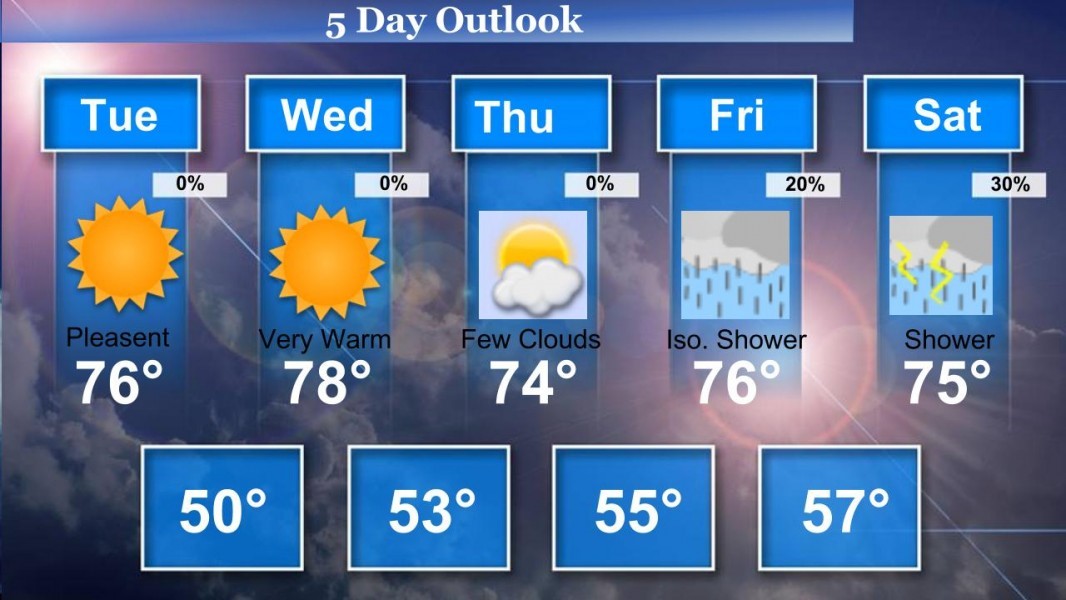
The world of meteorology is undergoing a significant transformation. As new technologies evolve, traditional Weather Forecasting methods-once rooted in physical instruments and historical weather data—are being revolutionized by artificial intelligence (AI) and machine learning. These innovations promise not just greater accuracy, but smarter, more personalized forecasts that are seamlessly integrated into our daily lives.
Bridging the Gap Between Short-Term and Long-Term Forecasting
One of the most exciting developments in modern meteorology is the use of AI to improve both immediate and extended forecasts. Historically, predicting the weather just hours ahead was one of the most difficult challenges. But with machine learning, models can now analyze enormous datasets—satellite imagery, real-time sensor data, user-submitted reports—and deliver hyperlocal predictions.
Soon, these models could alert us to sudden storms or flash floods with precise location and timing, a game-changer in emergency preparedness.
Improving the Weather User Experience
Technology alone isn’t enough. Making forecasts accessible and useful for the average person is just as important. Most users interact with weather data through apps, and those apps need to evolve.
The future of weather UX is:
- Fast: Users want quick answers, not complex charts
- Clear: Information must be simple and actionable
- Context-aware: Whether planning a commute, event, or outdoor activity
The challenge lies in balancing personalization with usability—offering more relevant insights without overwhelming the user.
Toward Fully Personalized Weather Forecasts
Imagine your weather app knows you’re about to jog and offers a tailored forecast for your route, or it checks your calendar and alerts you to rain before your next meeting. This level of contextual forecasting is within reach.
However, with personalization comes responsibility:
- Users must consent to data use
- Forecasting platforms should be transparent and secure
- Data privacy must be non-negotiable
When done right, personalized forecasts enhance the user experience while respecting privacy.
The Expanding Role of AI in Meteorology
- AI is already making waves in weather forecasting. Early examples include:
- Pixel phones using AI to summarize forecast data
- RainViewer integrating AI-powered insights into weather alerts
- These are just the beginning. AI will soon be essential in:
- Automating analysis of satellite data
- Detecting small-scale weather patterns
- Improving lead times for extreme events like tornadoes
In the future, we may no longer receive vague county-wide tornado warnings, but street-specific alerts with enough time to act.
Seamless Integration Into Everyday Life
Weather data is becoming less of a standalone service and more of a background utility that powers smarter decisions.
Soon, you might:
- Walk past a digital billboard that shows your personalized forecast
- Get proactive weather alerts in your smart car or calendar
- Let your smart thermostat adjust based on predicted temperatures
Forecasting will blend into your environment, helping you decide what to wear, where to go, and when to leave—all without needing to open an app.
Weather Apps as Part of a Smarter Ecosystem
Standalone weather apps may eventually fade away. Instead, weather data will be embedded in the systems we already use:
- Smart cars rerouting based on storm paths
- Irrigation systems adjusting based on rainfall predictions
- Travel apps offering destination forecasts during booking
- Home assistants offering spoken alerts in real-time
Weather data won’t just inform—it will automate and optimize decisions throughout your day.
Read More: Prepaid travel cards
A Return to Simplicity
Ironically, the future of weather apps might involve going back to basics. Many have become bloated with ads, features, and settings that obscure the core value: knowing what the weather will be and what to do about it.
The ideal app of the future will:
- Load instantly
- Focus on clarity over complexity
- Deliver exactly what the user needs—nothing more, nothing less
- Simplicity, backed by powerful technology, will define the next generation of weather experiences.
Conclusion
The future of weather forecasting is intelligent, integrated, and deeply personal. As AI and big data transform how we collect and interpret meteorological information, forecasts will become more accurate, more relevant, and more embedded into our daily lives.
From hyperlocal alerts to context-aware recommendations, the evolution of forecasting is about empowering people with smarter decisions—not just predicting the sky. The next decade promises a leap forward, where we don’t just check the weather-we live with it, naturally and seamlessly.
