
Trulia, a well-known real estate platform owned by Seattle-based Zillow Group, has announced a significant change to the way it presents neighborhood information on its home listings. The company revealed that it will begin phasing out crime data from its listings starting early next year. This decision comes amid increasing concerns over the reliability of crime statistics and their potential to reinforce racial and socioeconomic bias in the housing market.
The change reflects a broader industry reckoning about how data is used in digital real estate platforms and the ethical responsibilities these platforms hold when presenting information that can directly influence public perception of communities.
Industry Response Highlights Broader Ethical Debate
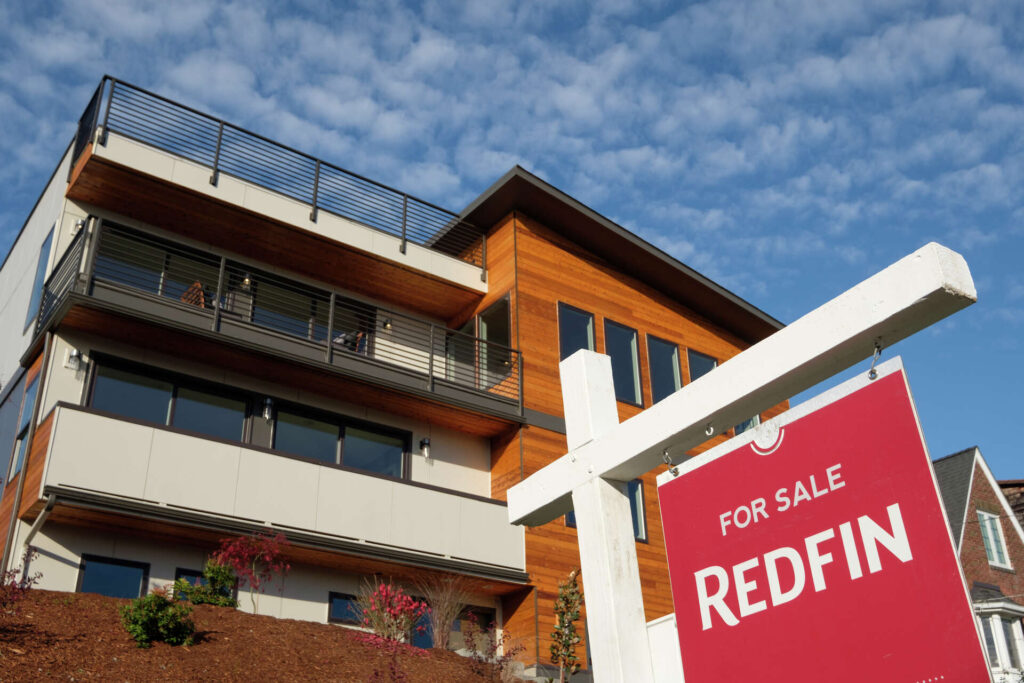
This decision didn’t occur in isolation. Trulia’s announcement followed a blog post by Redfin, another prominent real estate platform also headquartered in Seattle. In the post, Redfin revealed that it had considered integrating crime data into its website but ultimately chose not to, citing concerns over fairness and the potential to perpetuate systemic inequalities.
Christian Taubman, Redfin’s Chief Growth Officer, wrote in a December 13 blog post that “given the long history of redlining and racist housing covenants in the United States, there’s too great a risk of this inaccuracy reinforcing racial bias.” He further stated that Redfin believes no real estate websites should display neighborhood crime data, emphasizing the need to prioritize equity in homebuying resources.
This stance struck a chord with other players in the industry. Realtor.com, another major platform, also announced around the same time that it would discontinue displaying crime data on its listings. The industry seems to be moving toward a consensus that displaying crime statistics can mislead buyers and inadvertently contribute to discriminatory housing patterns.
Crime Data Challenges in Real Estate Listings
Public safety information has long been considered a crucial factor in real estate decisions. Many buyers cite neighborhood safety as a top concern when choosing a home. For years, real estate platforms have catered to that demand by integrating crime maps and safety ratings into home listings. Trulia, for instance, featured a dedicated “Crime” tab, allowing users to see reported incidents in a given area.
However, the practice has come under increasing scrutiny. Trulia’s own statement emphasized the complexity of public safety data, noting that definitions and methods for measuring crime can vary significantly from one community to another. This inconsistency makes it difficult to ensure the accuracy or fairness of the information being presented.
A Trulia spokesperson explained, “Public safety data is defined and measured differently across communities — which may perpetuate bias in real estate and present challenges with providing accurate crime data from our vendors. Because of this, Trulia will no longer display crime data on our site as of early 2022.”
The Role of Crime Statistics in Reinforcing Bias
At the heart of this decision lies a deeper issue: how crime data can be misused or misinterpreted, especially in a country with a long history of racially discriminatory housing practices. Redlining, the systematic denial of services to residents of certain areas based on race or ethnicity, was once an official policy in the U.S. Its effects are still visible today in segregated neighborhoods and unequal access to resources.
Crime statistics, while ostensibly neutral, can reflect and perpetuate these inequalities. Data may be skewed by over-policing in certain communities, underreporting in others, and subjective classification of what constitutes a “crime.” When real estate platforms present this data without sufficient context, it can reinforce harmful stereotypes and deter prospective buyers from exploring diverse neighborhoods.
By removing these metrics, platforms like Trulia aim to prevent such unintentional discrimination and create a more equitable environment for home seekers.
A Shift Toward Holistic Neighborhood Insights
As Trulia prepares to remove the crime data tab from its listings, the company says it will continue to focus on providing useful and fair information to users. Instead of relying on crime statistics, Trulia plans to invest in other tools that help consumers assess neighborhoods holistically.
This includes features that provide data on local amenities, schools, transportation access, walkability, and resident reviews. These factors can offer a more nuanced and balanced view of a neighborhood’s livability without relying on potentially biased crime reports.
According to the company, “Trulia is committed to providing consumers with tools, services and information to help them make informed decisions about real estate. To achieve this, we continuously review the display of publicly available data to ensure accuracy, equity, and transparency.”
The shift suggests that the future of real estate platforms will prioritize context-rich, community-driven content over raw statistical overlays, which may lack nuance and foster exclusion.
Historical Context of Crime Data and Real Estate Segregation
Understanding the implications of this decision requires a look into the historical interplay between crime perception and housing policy in the United States. For decades, perceptions of safety have been used as a dog whistle in real estate, often leading to the exclusion of minority communities from desirable neighborhoods.
Terms like “bad neighborhood” or “high-crime area” have been used—sometimes subtly, sometimes overtly—to direct potential buyers away from predominantly Black or Latino neighborhoods. The federal government’s redlining practices in the mid-20th century, which used racial demographics as a proxy for investment risk, institutionalized this discrimination.
Modern digital real estate tools, though far removed from those overtly racist practices, can unintentionally perpetuate similar outcomes if not carefully managed. Making crime data easily accessible and highly visible on listings risks discouraging buyers from considering areas that, while safe and thriving, are stigmatized by outdated or misleading statistics.
The Future of Neighborhood Data on Real Estate Platforms
The decisions by Trulia, Redfin, and Realtor.com may signal a broader evolution in how online real estate services handle sensitive information. These platforms are increasingly recognizing their power in shaping public perceptions and the importance of presenting data responsibly.
This trend toward more inclusive, bias-conscious practices also aligns with a wider societal movement to reassess how data, algorithms, and digital tools impact inequality. From mortgage algorithms to tenant screening tools, technology in the housing industry is undergoing intense scrutiny for its potential to reproduce structural disadvantages.
Real estate platforms are now expected to not only provide listings but also act as stewards of ethical information-sharing. How they curate and contextualize neighborhood data will likely remain a subject of ongoing public and regulatory attention.
FAQs
Why is Trulia removing crime data from its listings?
Trulia is removing crime data due to concerns that the information may be inaccurate or reinforce racial and socioeconomic biases. Crime statistics can vary by region, are often collected differently across jurisdictions, and can misrepresent the safety or character of a neighborhood.
Will any public safety information still be available on Trulia?
While the dedicated “Crime” tab will be removed, Trulia will continue to offer tools and features that help users assess neighborhood characteristics, such as walkability scores, school ratings, commute times, and resident reviews. These provide more balanced insights without relying on crime statistics.
How does crime data contribute to bias in real estate?
Crime data can reflect systemic issues like over-policing in minority neighborhoods or inconsistent reporting standards. When presented without context, it can stigmatize entire communities and discourage investment or interest from potential buyers, furthering patterns of segregation and inequality.
Is Redfin also removing or avoiding crime data?
Yes, Redfin announced that it had considered displaying crime data but ultimately chose not to include it on its platform. The company stated that the risk of reinforcing racial bias was too great and recommended that all real estate platforms avoid showing this type of data.
What alternatives to crime data might help homebuyers assess a neighborhood?
Homebuyers can look at school quality, local amenities, transportation access, community events, and resident feedback. Visiting neighborhoods in person, speaking with locals, and consulting local government websites can also offer valuable insights that aren’t captured by statistics alone.
Conclusion
Trulia’s decision to remove crime data from its real estate listings marks a turning point in how digital housing platforms present neighborhood information. With growing awareness of the role that data can play in reinforcing existing biases, companies like Trulia, Redfin, and Realtor.com are rethinking what it means to inform buyers fairly and equitably.Rather than relying on flawed or contextless crime metrics, these platforms are shifting toward more comprehensive tools that paint a fuller picture of neighborhoods—without resorting to data that may perpetuate stereotypes or deter interest in certain areas.
As technology continues to shape the real estate landscape, ethical considerations will remain central to how information is collected, shared, and consumed. Trulia’s move may well inspire others in the industry to follow suit, setting new standards for fairness and transparency in homebuying tools.
