When planning an international trip, ensuring you have a reliable and secure way to pay for expenses is essential. While carrying cash can be risky due to potential loss or theft, prepaid travel money cards offer a convenient and secure alternative. These cards allow you to load a chosen currency before departure and use it like a debit card abroad. This guide provides an in-depth look at prepaid travel money cards, their types, benefits, drawbacks, and top picks, along with practical tips for managing your money overseas.
Understanding Prepaid Travel Money Cards
What Are Prepaid Travel Money Cards?
Prepaid travel money cards are financial tools designed for use during international travel. You load a specific amount of money onto the card in your chosen currency, which can then be used for purchases or cash withdrawals abroad, similar to a debit card. Unlike credit cards, prepaid cards limit spending to the preloaded amount, helping you stick to a budget without the risk of overspending.
The exchange rate applied to your transactions depends on the card provider. Some use the interbank rate (the best possible exchange rate), while others use rates set by Mastercard or Visa, which are slightly less favorable. Additionally, providers may add a foreign exchange fee, typically ranging from 1% to 2.5%, which can impact the overall cost of using the card.
Safety and Security of Funds
One of the primary advantages of prepaid travel cards is the safety of your funds. The money loaded onto these cards is considered e-money and is typically held in a ring-fenced account with a UK bank, separate from the card provider’s operational funds. This ensures that your money is protected if the card issuer encounters financial difficulties. However, there is a small risk if the underlying bank holding the ring-fenced account goes bust, as this is not covered by the Financial Services Compensation Scheme (FSCS) in the same way as standard bank accounts.
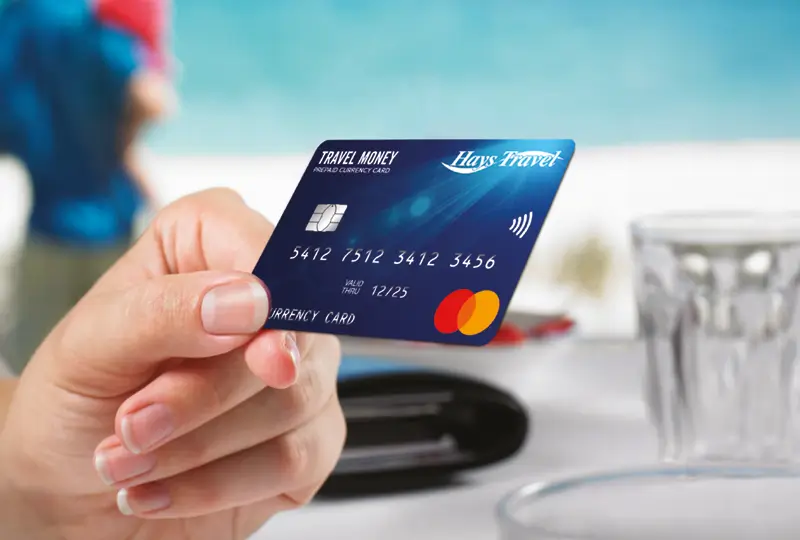
Types of Prepaid Travel Money Cards
Multi-Currency Cards
Multi-currency cards allow you to load multiple foreign currencies onto a single card, making them ideal for travelers visiting several countries. By locking in exchange rates before your trip, you can budget with certainty and potentially benefit if the pound weakens after loading the card. However, if the pound strengthens, you may lose out on better rates. These cards are particularly useful for multi-destination trips, offering flexibility and control over spending.
Prepaid Sterling Cards
Prepaid sterling cards are loaded with pounds sterling, which are converted to the local currency at the point of spending or withdrawal, typically within a couple of days. This option is simpler, as you don’t need to predict exchange rates in advance, but it comes with less certainty about the rate you’ll receive. These cards are suitable for travelers who prefer a straightforward approach and don’t mind some variability in exchange rates.
Alternatives to Prepaid Travel Cards
Travel Credit and Debit Cards
Before opting for a prepaid travel card, consider travel credit or debit cards, which often provide near-perfect exchange rates with no additional fees for spending or withdrawals abroad. These cards are generally easier to use, as they don’t require preloading funds, and they integrate seamlessly with daily spending. Travel credit cards also offer Section 75 protection for purchases between £100 and £30,000, even when made overseas, providing an added layer of security for significant transactions.
Cash as a Backup
While cards are convenient, cash remains useful in destinations where card payments are not widely accepted, such as small vendors or rural areas. To get the best exchange rates for holiday cash, tools like TravelMoneyMax can help you compare rates from various providers, ensuring you get the most value for your money.
Read More: Wells Fargo Autograph Journey Card Review: Powerful Rewards, Limited Redemption Options
Key Considerations for Using Prepaid Travel Cards
Safety in Case of Loss or Theft
If your prepaid travel card is lost or stolen, contact the card provider immediately to freeze the card and protect your funds. Most providers offer 24/7 support for such incidents, ensuring you can quickly secure your money and, if necessary, order a replacement card.
Understanding Fees
Prepaid travel cards may come with various fees, including:
- Exchange Fees: Some providers charge a percentage (e.g., 1%–2.5%) for converting currencies.
- Inactivity Fees: Certain cards impose fees if the card is not used for a specified period.
- ATM Withdrawal Fees: Some cards charge for cash withdrawals, especially after a certain number or amount.
- Card Delivery Fees: Physical cards may incur a delivery fee, though virtual cards for digital wallets are often free.
Always review the fee structure before choosing a card to avoid unexpected costs.
Currency Compatibility
Not all prepaid cards support every currency. Before selecting a card, confirm that it allows you to load or spend in the currency of your destination. For multi-currency cards, check the range of supported currencies to ensure they align with your travel plans.
Choosing Local Currency for Transactions
When paying with a prepaid card abroad, you may be offered the option to pay in pounds or the local currency. Always choose the local currency, as paying in pounds often results in poorer exchange rates set by the merchant’s bank, known as dynamic currency conversion.
Limitations of Prepaid Cards
Prepaid travel cards have some limitations. They are typically not accepted for car hire or at many petrol stations, as these transactions often require a credit card for security deposits. Ensure you have an alternative payment method, such as a travel credit card or cash, for these situations.
Top Picks for Prepaid Travel Money Cards
Revolut
Revolut is a top choice for weekday travelers due to its use of the interbank exchange rate with no additional fees for most currencies from Monday to Friday (UK time). However, a 1% fee applies to exchanges on weekends, which can be avoided by loading pounds and exchanging to your desired currency on a weekday. Revolut supports over 30 currencies, including popular ones like euros and US dollars.
Key features include:
- Free Virtual Card: Compatible with digital wallets like Apple and Google Pay.
- Physical Card Delivery: Costs around £4.99.
- ATM Withdrawals: Up to five withdrawals or £200 per month are free, with a 2% fee (minimum £1) thereafter.
- Exchange Limits: A 1% fee applies if you exchange more than £1,000 in a 30-day period.
Revolut’s funds are ring-fenced with Barclays, ensuring safety if the provider faces financial issues. However, weekend travelers should plan ahead to lock in rates during the week.
Trading 212
Trading 212 stands out for its low 0.15% flat fee on in-app currency conversions, making it more cost-effective than Revolut for weekend exchanges. It also offers 1% cashback on most spending (up to £15 per month), adding value for frequent users. However, it supports only 13 currencies, which may limit its appeal for travelers visiting less common destinations.
Additional considerations:
- Card Delivery: Costs £4.95 for a physical card.
- ATM Withdrawals: Free up to £400 per month, with a 1% fee thereafter.
- Investment Features: Trading 212 is primarily an investment platform, so its app includes investment options. Be cautious not to engage in investments without understanding the risks, as the value of investments can fluctuate.
Funds are ring-fenced with Barclays, NatWest, and JP Morgan, but if you opt for interest-bearing accounts (via qualifying money market funds), your money may not be covered by the FSCS.
Wise
Wise offers a broad range of 40 currencies and charges a minimum 0.33% exchange fee, which varies by currency (e.g., 0.33% for pounds to euros). This makes it competitive for weekend travelers or those who prefer not to lock in rates in advance. Wise allows two fee-free ATM withdrawals up to £200 per month, with a 1.75% fee plus 50p for additional withdrawals.
Other features include:
- Card Delivery: Costs £7 for a physical card.
- Management Options: Can be managed via app or online.
- Investment Option: Like Trading 212, Wise offers interest-bearing options based on investments, which carry risk and are not FSCS-protected.
Wise’s funds are ring-fenced with Barclays, ensuring security in case of provider insolvency.
How to Use Prepaid Travel Cards Effectively
Loading and Exchanging Currency
To lock in an exchange rate with a multi-currency card, follow these steps:
- Check if your desired currency is supported.
- Load pounds onto the card via the provider’s app or website.
- Navigate to the “exchange” option and select your target currency.
- Review the offered rate and confirm the exchange if satisfactory.
- The converted amount will appear as a balance in the foreign currency, ready for use.
For sterling cards, simply spend in pounds, and the card will convert to the local currency at the prevailing rate, typically within a few days.
Comparing with Cash Rates
Before choosing a prepaid card, compare its rates and fees to the cost of exchanging cash using a tool like TravelMoneyMax. In some cases, cash may offer better value, especially for small transactions or in destinations with limited card acceptance.
Managing Your Card
Most prepaid cards are managed through a mobile app, allowing you to monitor balances, exchange currencies, and freeze the card if lost or stolen. Some providers, like Wise, also offer online management for added convenience. Regularly check your balance and transaction history to stay within budget and detect any unauthorized activity.
Eligibility for Prepaid Travel Cards
Prepaid travel cards are accessible to most people, as they do not require a hard credit check. You typically need to:
- Be 18 or older (though some providers offer cards for under-18s for fee-free spending abroad).
- Provide proof of address and identification.
For parents, prepaid travel cards for kids can be a practical way to provide spending money for holidays. These cards allow controlled loading of funds and are designed for fee-free use abroad. Check our Best Prepaid Travel Cards for Kids guide for more details.
Practical Tips for Overseas Spending
To maximize the value of your prepaid travel card:
Plan Ahead: For multi-currency cards, lock in rates when they are favorable to avoid fluctuations.
Carry a Backup: Have a travel credit or debit card or some cash for situations where prepaid cards are not accepted.
Monitor Fees: Choose a card with low or no fees for your typical usage patterns, such as frequent ATM withdrawals or large transactions.
Stay Secure: Keep your card’s contact details handy and report any loss or theft immediately to protect your funds.
Frequently Asked Questions (FAQs)
What is a prepaid travel money card?
A prepaid travel money card lets you load a chosen currency before traveling, allowing you to spend or withdraw cash abroad like a debit card. It helps you budget by limiting spending to the preloaded amount, with exchange rates set by the provider or card network.
What’s the difference between multi-currency and prepaid sterling cards?
Multi-currency cards let you load multiple foreign currencies and lock in exchange rates before travel, ideal for multi-country trips. Prepaid sterling cards are loaded with pounds, which are converted to the local currency when you spend, offering simplicity but less rate certainty.
Are prepaid travel cards safe to use?
Yes, funds on prepaid cards are considered e-money and are typically held in a ring-fenced account with a UK bank, protecting your money if the card issuer goes bust. However, there’s a small risk if the underlying bank fails, and you should report lost or stolen cards immediately.
What fees should I watch out for with prepaid travel cards?
Common fees include exchange fees (1%–2.5%), ATM withdrawal fees (after free limits), inactivity fees, and card delivery fees (e.g., £4.95–£7). Always check the fee structure and choose local currency for transactions to avoid dynamic currency conversion costs.
Are travel credit or debit cards a better alternative?
Travel credit or debit cards often offer near-perfect exchange rates with no fees and don’t require preloading, making them simpler for some travelers. Credit cards also provide Section 75 protection for purchases between £100 and £30,000, but prepaid cards are better for strict budgeting.
Conclusion
Prepaid travel money cards offer a secure and flexible way to manage spending abroad, allowing you to lock in exchange rates or spend in pounds with conversions handled automatically. With options like Revolut, Trading 212, and Wise, travelers can choose cards that suit their needs, from low fees to broad currency support. However, alternatives like travel credit or debit cards may offer better rates and fewer restrictions, while cash remains a reliable backup. By understanding the types, fees, and limitations of prepaid cards, and comparing them with other options, you can ensure a hassle-free and cost-effective travel experience. For the latest deals and comparisons, tools like TravelMoneyMax can help you make informed decisions, keeping your holiday budget on track.
