Car insurance is a legal necessity for anyone looking to drive on public roads. With various types of insurance available, choosing the right one can feel overwhelming. Among the options, fully comprehensive car insurance stands out as the most extensive coverage, but is it the best choice for you? This guide dives deep into what fully comprehensive car insurance entails, its benefits, limitations, costs, and additional options, helping you make an informed decision. Whether you’re a new driver or reassessing your current policy, this comprehensive overview will clarify everything you need to know.
Understanding Comprehensive Car Insurance
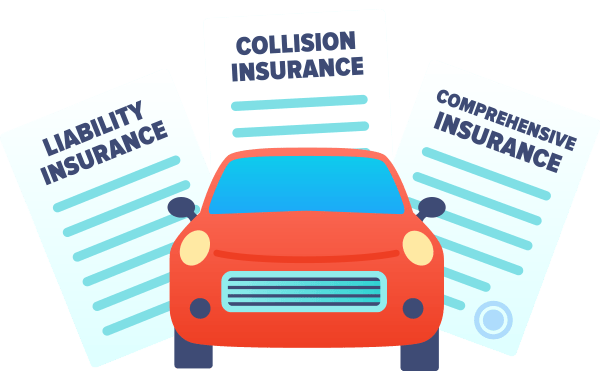
Fully comprehensive car insurance is often regarded as the gold standard of car insurance policies due to its extensive coverage. Unlike other types of insurance, it provides the highest level of protection, safeguarding you, your vehicle, and others in a wide range of scenarios. To appreciate its value, it’s helpful to compare it with other common types of the car insurance:
- Third-Party Insurance: This is the minimum legal requirement in most countries. It covers damage or injury you cause to other people or their property but offers no protection for your own vehicle in an accident.
- Third-Party, Fire, and Theft Insurance: This extends third-party coverage to include protection against theft or fire damage to your vehicle. However, it still doesn’t cover damage to your car in an accident you cause.
- Fully Comprehensive Insurance: This encompasses all the protections of third-party, fire, and theft insurance, plus coverage for damage to your vehicle, even if you’re at fault. It’s designed to give you peace of mind in most driving-related incidents.
If you’re insuring a motorbike or van, specialized policies exist, and separate guides can provide tailored advice for those vehicles.
Read More: The Axis Burgundy Private Credit Card: A Comprehensive Guide
What Does Fully Comprehensive Car Insurance Cover?
Fully comprehensive car insurance is designed to cover a broad spectrum of incidents, making it the most robust option available. Here’s a detailed look at what you can typically expect from a comprehensive policy:
- Repairs After an Accident: Whether you’re at fault or not, comprehensive insurance covers the cost of repairing damage to your vehicle following a collision.
- Damage to Other Vehicles: If you cause an accident, your policy will cover repairs to other vehicles involved.
- Fire or Flood Damage: Damage caused by natural disasters like fires or floods is typically covered, ensuring your car is protected from environmental hazards.
- Theft: If your car is stolen, comprehensive insurance will cover the cost of replacing it, up to the vehicle’s market value.
- Injury to Others: Medical expenses or compensation for injuries caused to other people in an accident are covered, protecting you from significant financial liability.
Despite its name, “fully comprehensive” doesn’t cover every possible scenario. Policies often exclude:
- Theft Due to Negligence: Leaving your car unlocked or windows open may void theft coverage.
- Driving Under the Influence: Damage or injury caused while driving under the influence of alcohol or drugs is typically excluded.
- Invalid License: Driving without a valid license invalidates most claims.
- General Wear and Tear: Routine maintenance issues or gradual deterioration aren’t covered.
- Driving Someone Else’s Car: Some policies allow this, but it’s not standard, so verify with your insurer.
- Uninsured Drivers: If an uninsured person drives your car, coverage may be denied.
It’s critical to read the fine print of any policy to understand its specific inclusions and exclusions, as these can vary between the providers.
Additional Coverage Options
Comprehensive car insurance can often be customized with add-ons to suit your needs. Some insurers include these as standard, while others charge extra. Common optional coverages include:
- Breakdown Cover: Assistance if your car breaks down, including roadside repairs or towing.
- Personal Injury Accident Cover: Compensation for injuries sustained by you or your passengers in an accident.
- Personal Belongings Cover: Protection for items left in your car, such as electronics or bags.
- Legal Protection: Covers legal fees if you’re involved in a dispute related to an accident.
- Windscreen Cover: Repairs or replaces damaged windshields, which can be costly without coverage.
- Wrong Fuel Cover: Covers damage caused by accidentally filling your car with the wrong fuel.
- Courtesy Car Cover: Provides a temporary vehicle while yours is being repaired.
- Key Cover: Reimburses the cost of replacing lost or stolen keys.
- No-Claims Discount Protection: Preserves your no-claims discount even after making a claim.
- Transport Home After an Accident: Covers the cost of getting home if your car is undrivable.
- Vandalism Cover: Protects against intentional damage to your vehicle.
If you own a brand-new car, consider gap insurance, which covers the difference between your car’s purchase price and its depreciated value if it’s written off. Always check what’s included in a policy and compare add-ons to ensure they align with your needs.
How Much Does Comprehensive Car Insurance Cost?
The cost of comprehensive car insurance varies based on several factors, including your age, driving history, location, and the type of vehicle you drive. Insurance providers use car insurance groups to assess your vehicle’s risk level, which influences premiums. Surprisingly, comprehensive insurance is often cheaper than third-party or third-party, fire, and theft policies, despite offering more coverage. Here’s why:
Risk Profile: Drivers opting for third-party insurance are statistically more likely to engage in risky behavior, leading to more claims. Insurers charge higher premiums to offset this risk. In contrast, comprehensive policyholders are often perceived as more cautious, resulting in lower premiums.
Average Costs (May 2025): According to Confused.com, average annual premiums are:
- Comprehensive: £777
- Third-Party, Fire, and Theft: £1,658
- Third-Party Only: £2,113
These figures highlight that comprehensive insurance often provides the best value, combining extensive coverage with lower costs. However, your personal circumstances—such as a history of convictions, your postcode, or the car’s value—will significantly impact your quote. For a detailed breakdown, explore guides on factors affecting car insurance quotes.
To ensure you’re getting the best deal, obtain quotes for all types of coverage and weigh the cost against the benefits. Tools like the Compare+ Car Insurance tool can provide personalized cost-cutting tips, while guides on securing cheaper car insurance offer practical advice, such as timing your renewal or bundling policies.
Staying on Top of Your Car Insurance
Managing your car insurance effectively can save you time and money. Timing is key—research shows that getting quotes 20–30 days before your policy expires often yields the lowest prices. Tools like the MoneySavingExpert app’s Bill Buster feature can track your policy, notify you when it’s nearing renewal, and suggest the optimal time to shop for quotes. Available on both the Apple App Store and Google Play, this app simplifies the process of staying proactive about your insurance.
For those ready to explore options, resources like the MoneySavingExpert car insurance section offer top tips, including nine ways to reduce costs. Comparing quotes across providers ensures you find the best balance of coverage and affordability.
Comprehensive Car Insurance FAQs
Why Is Comprehensive Car Insurance Often Cheaper?
Comprehensive insurance is frequently less expensive because policyholders are statistically less likely to take risks compared to those with third-party coverage. Insurers factor in this lower risk when setting premiums, making comprehensive policies a cost-effective choice for many drivers.
Can I Drive Any Car with Comprehensive Cover?
Not automatically. Some comprehensive policies include “driving other cars” (DOC) coverage, allowing you to drive someone else’s car with their permission, typically with third-party-only protection. However, this isn’t standard, and many insurers exclude it or restrict it to certain age groups (e.g., over 25). Always check your policy details first.
Does Comprehensive Insurance Cover Others Driving My Car?
Comprehensive insurance may cover other drivers operating your car, but only if they’re named on your policy or if the policy explicitly allows it. Uninsured drivers using your vehicle will likely void coverage. Confirm with your insurer to avoid surprises.
What’s the Difference Between Comprehensive and Fully Comprehensive?
There’s no practical difference—“comprehensive” and “fully comprehensive” are interchangeable terms used by insurers to describe the same level of coverage. The terminology can vary, but the protection offered is identical.
Can Young Drivers Get Comprehensive Cover?
Yes, young drivers can obtain comprehensive insurance, though premiums are often higher due to their lack of experience and higher risk profile. Shopping around and considering telematics (black box) policies can help young drivers find more affordable comprehensive coverage.
Making the Right Choice for You
Fully comprehensive car insurance offers the highest level of protection, covering a wide range of incidents from accidents to theft, often at a lower cost than less comprehensive options. However, it’s not a one-size-fits-all solution. Your driving habits, vehicle type, and budget should guide your decision. By comparing quotes, understanding policy details, and considering add-ons, you can also tailor your insurance to suit your needs while keeping costs manageable.
Take advantage of tools and resources to stay informed, such as comparison platforms and renewal trackers. With the right approach, you can secure comprehensive coverage that provides peace of mind without breaking the bank. Whether you’re a seasoned driver or new to the road, understanding your options ensures you’re protected for the journey ahead.
