
Selling a residential property is a multifaceted endeavor that demands strategic planning, meticulous preparation, and informed decision-making. Beyond merely determining an asking price, numerous factors influence the success of a sale. This comprehensive guide presents 19 professional tips, organized approximately in chronological order, to facilitate a smooth and efficient selling process. These recommendations focus exclusively on selling your primary residence. For those selling buy-to-let properties, additional tax considerations, such as capital gains tax, may apply, which are not covered here. Consult the HM Revenue & Customs website for further details.
Evaluate Your Mortgage Terms
Prior to listing your property, thoroughly review your mortgage agreement to identify any potential penalties for early repayment. If you are on a standard variable rate—typically applied after a fixed or tracker period expires—no penalties should apply. For those within an introductory rate period, verify whether your mortgage is portable, allowing transfer to a new property without additional costs, contingent on lender approval and affordability checks. Non-portable mortgages may incur early repayment charges, typically 1–5% of the remaining balance. For instance:
- A 2% charge on a £226,000 mortgage equals £4,520.
- A 3% charge amounts to £6,780.
- A 5% charge totals £11,130.
Utilize a mortgage calculator to assess whether exiting your current deal is financially viable compared to potential savings on a new mortgage. If penalties are prohibitive, consider postponing the sale until the introductory period concludes.
Strategize Your Next Move
Once you confirm minimal financial penalties, define your objectives for selling. Homeowners typically have three primary options:
- Sell to Purchase Immediately: Selling your current home to buy another concurrently, whether upsizing, downsizing, or relocating. This approach streamlines transactions by using the same conveyancer for both deals and requires only one move. However, navigating dual property chains can increase complexity and stress. Consult our Buying a Home Timeline Guide for additional guidance.
- Sell to Purchase Later: Selling your home and transitioning to temporary accommodation, such as renting, before buying again. This option is ideal for relocations when the desired location is uncertain, offering chain-free buyer status, which is appealing to sellers. However, account for rental costs, fixed tenancy commitments, potential house price increases, and secure storage for sale proceeds (e.g., Temporary High Balance Protection for six months).
- Exit Homeownership: Selling without plans to purchase another property, such as moving into rented accommodation, abroad, or with family. This eliminates chain-related issues and mortgage obligations but requires careful planning for managing sale proceeds. Equity release is an alternative for retirement funding without selling, though it carries inherent risks.
Forum insights suggest that selling first and renting temporarily can reduce chain-related stress, though securing short-term rental agreements may be challenging.
Read More:How to get cheap hotel deals
Calculate Total Selling Costs
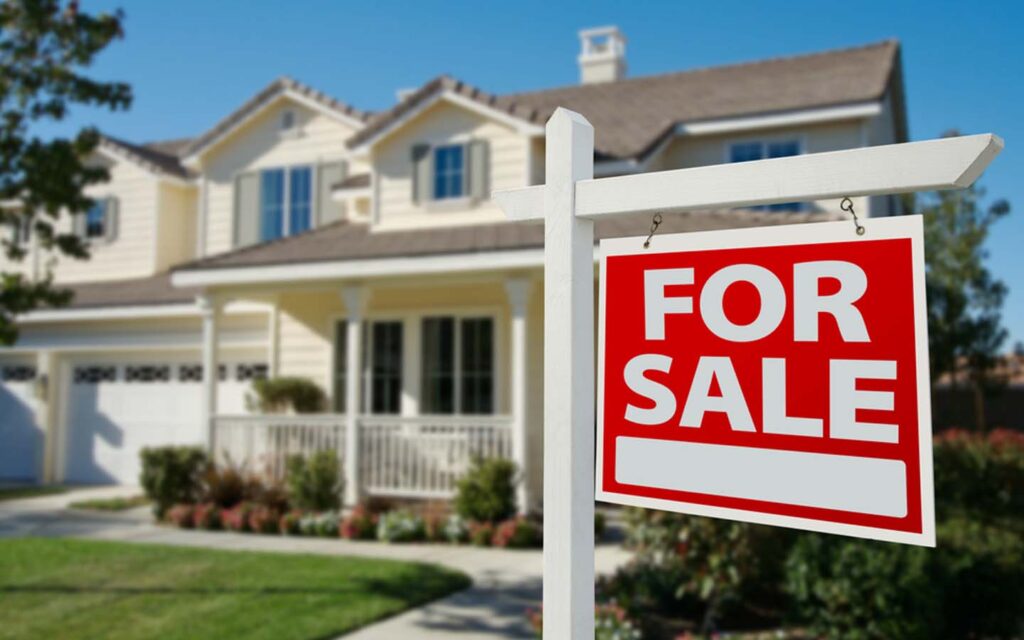
Selling a home involves multiple expenses, including agency fees, conveyancing, energy performance certificates (EPCs), and removals. Below is an estimated cost breakdown for a £274,000 property:
| Cost Category | Private Selling (DIY) | Online Agent | High Street Agent |
|---|---|---|---|
| Agency Fees | £0–£400 | £0–£1,500 | £2,450–£10,000 |
| Conveyancing Fee | £500–£1,500 | £500–£1,500 | £500–£1,500 |
| EPC | £50–£120 | £50–£120 | £50–£120 |
| Removals | £400–£1,200 | £400–£1,200 | £400–£1,200 |
| Total | £900–£3,250 | £1,200–£4,500 | £3,400–£12,700 |
Costs escalate significantly if purchasing another property simultaneously. Budget comprehensively to avoid unexpected financial burdens.
Assess Lease Extensions for Leasehold Properties
For leasehold properties, lease duration significantly impacts buyer appeal. Leases below 80 years increase extension costs, potentially deterring buyers or leading to lower offers due to mortgage restrictions. Extending a lease can cost thousands but may enhance property value, offsetting the expense. Review our Should I Extend My Lease Guide for insights on costs, value addition, and the extension process. Ensure lease details, including length and service fees, are readily available for prospective buyers.
Enhance Property Appeal
A well-presented property attracts buyers and may command a higher price. Implement cost-effective improvements to maximize appeal:
Exterior Enhancements (Kerb Appeal):
- Maintain lawns and garden areas.
- Clean windows, doors, and driveways.
- Repair fences and walls for a polished appearance.
Interior Improvements:
- Declutter and clean thoroughly to highlight potential.
- Depersonalize spaces to allow buyers to envision their ownership.
- Showcase key features, such as unique architectural elements.
- Use mirrors to enhance light and space in smaller areas.
- Eliminate odours and maintain a comfortable indoor temperature.
- Focus on low-cost, high-impact fixes to avoid over-investing in improvements.
Secure an Energy Performance Certificate (EPC)
An EPC, a legal requirement, rates your property’s energy efficiency from A (best) to G (worst) and remains valid for 10 years. Verify its status on the EPC register. If expired, arrange a new one through an energy assessor or estate agent, costing £50–£120. A higher rating can attract buyers by signaling lower utility costs.
Accurately Value Your Property
Proper valuation prevents prolonged market time or underselling. Research recent sold prices on platforms like Rightmove or Zoopla, comparing similar properties. Use online valuation tools, such as GetAgent, to estimate current value. Invite two or three estate agents for professional valuations, including high street, local, and online agents, without disclosing prior estimates. If valuations vary (e.g., £250,000, £280,000, £350,000), a balanced figure (e.g., £300,000) is often realistic.
Set a Competitive Asking Price
Base your asking price on valuations and market conditions. Overpricing may deter buyers, while underpricing risks financial loss. In competitive markets or for expedited sales, a slight price reduction can attract more interest.
Select a Selling Method
Choose a selling approach based on time, budget, and comfort level:
- Private Selling (DIY): The most cost-effective option (£900–£3,250), requiring significant effort, including hosting viewings and advertising on platforms like TheHouseShop or local media. Safety precautions are critical during viewings.
- Online Agents: A balanced option (£1,200–£4,500), requiring some legwork unless additional fees are paid for services like viewings. Packages range from £129 (Visum) to £1,999 (Yopa).
- High Street Agents: The most comprehensive service (£3,400–£12,700), including valuations, viewings, and negotiations, but at a premium (0.75–3% commission). Local expertise and physical visibility enhance exposure.

Prepare for Effective Viewings
Conduct professional viewings to showcase your home’s strengths. Highlight lifestyle benefits and be transparent about features. For DIY viewings, ensure safety by informing a friend or neighbor and confirming completion.
Engage a Conveyancer or Solicitor
Appoint a conveyancer or solicitor early to manage legal aspects, such as paperwork and Land Registry searches. Fees range from £800–£1,500, plus costs for title deeds (£10–£20), bank transfers (£20–£50), and money-laundering checks (£10–£20). Avoid agent-recommended firms to minimize costs.
Strategically Evaluate Offers
Assess offers based on price, buyer’s chain status, financial reliability, and ability to move quickly. Chain-free buyers or those with pre-approved financing are preferable. Negotiate directly or through your agent to secure the optimal deal.
Finalize Pre-Contract Details
Before exchanging contracts, agree on:
- Price adjustments for survey-identified issues.
- Fixtures and fittings included or excluded.
- A mutually convenient completion date.
Exchanging contracts is legally binding, so ensure all details are finalized.
Organize Removals
Obtain quotes from removal companies, with costs averaging £1,000–£1,500 based on distance, volume, and services. Save costs by packing yourself or handling local moves independently. Use platforms like Compare My Move for quotes.
Settle Final Utility Bills
Provide final meter readings to utility providers on completion day to avoid disputes. Budget for potential backdated bills and arrange post redirection (£36) to ensure seamless communication transitions.
Navigate Simultaneous Sale and Purchase
If selling to buy, list your property early to enhance your buyer appeal. The process involves researching new properties, viewings, and concurrent negotiations, typically taking 6 weeks to 8 months.
Budget for Additional Purchase Costs
If purchasing another property, anticipate costs such as:
- Mortgage arrangement fees (up to £2,000).
- Valuation fees (£300–£400).
- Surveys (£500–£1,500).
- Conveyancing fees (£500–£1,500).
- Searches (£300).
- Stamp duty (for properties over £250,000 in England and Northern Ireland).
Address Complaints Professionally
Resolve complaints directly with involved firms. If unresolved, escalate to:
- The Property Ombudsman or Property Redress Scheme for estate agents.
- The Legal Ombudsman for solicitors or conveyancers.
- The Financial Ombudsman Service for mortgage providers.
Ensure a Smooth Transition
Finalize all legal, financial, and logistical steps before completion. Coordinate with your conveyancer, removal firm, and utility providers to ensure a seamless transition to your next chapter.
This guide provides a structured, How to sell your property professional approach to selling your home, ensuring efficiency and minimizing stress throughout the process.
Frequently Asked Questions (FAQs)
What are the main costs involved in selling a home?
Selling costs include agency fees (£0–£10,000, depending on the method), conveyancing (£800–£1,500), EPCs (£50–£120), and removals (£1,000–£1,500). Additional costs, such as lease extensions or mortgage penalties, may apply.
Should I sell my home before buying a new one?
Selling first and moving to temporary accommodation makes you a chain-free buyer, which is attractive to sellers. However, it involves moving twice and potential rental costs. Simultaneous transactions are faster but risk chain complications.
How can I make my home more appealing to buyers?
Enhance kerb appeal with exterior maintenance (e.g., mowing lawns, cleaning windows) and improve interiors by decluttering, depersonalizing, and highlighting key features. Ensure a high EPC rating to signal energy efficiency.
What is the benefit of extending a lease before selling?
Extending a lease, especially if below 80 years, increases buyer appeal and property value, as short leases deter buyers due to mortgage restrictions and higher extension costs.
How do I choose between DIY, online, or high street agents?
DIY is the cheapest but labor-intensive, online agents offer a cost-effective middle ground with some services, and high street agents provide comprehensive support at a higher cost. Choose based on your time, budget, and comfort level.
Conclusion
Selling your home is a complex process that requires careful planning and execution. By following these 19 expert tips, you can navigate the sale with confidence, from evaluating mortgage terms to finalizing the transaction. Whether you choose private selling, online agents, or high street professionals, strategic preparation—such as enhancing property appeal, securing an EPC, and setting a competitive price—maximizes your chances of a successful sale. For those also purchasing a new property, anticipate additional costs and timelines to ensure a smooth transition. With diligent preparation and informed decisions, you can achieve a seamless and financially rewarding home-selling experience.
