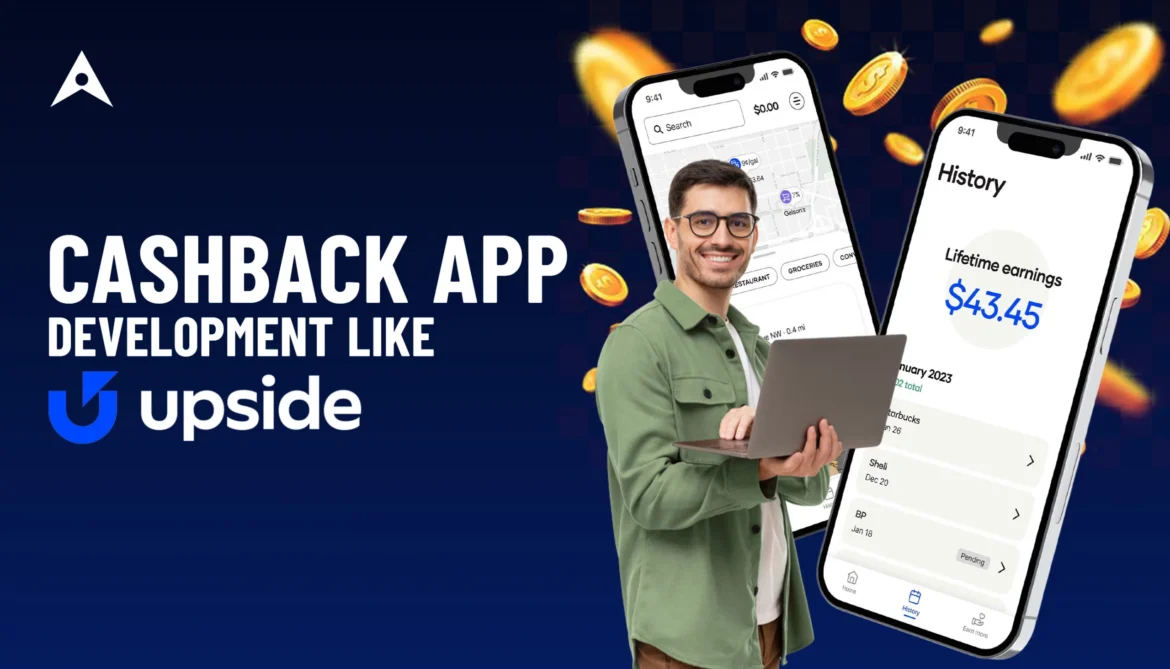
Over recent years, hitting the pump has become a budget shock—gas prices have surged to unexpected highs, squeezing household spending and denting gig‑workers’ earnings. In response, a wave of technology‑driven solutions has emerged, all promising a sense of relief and cash‑back at gas stations, restaurants, and grocery stores.
Among these, Upside—formerly GetUpside—has carved out a notable place. Founded in 2015 by two ex‑Google engineers during a pilot in Washington, D.C., the app recently rebranded to a streamlined Upside—a reflection of its refining mission. But how exactly does it work, who truly benefits, and are expectations realistic?
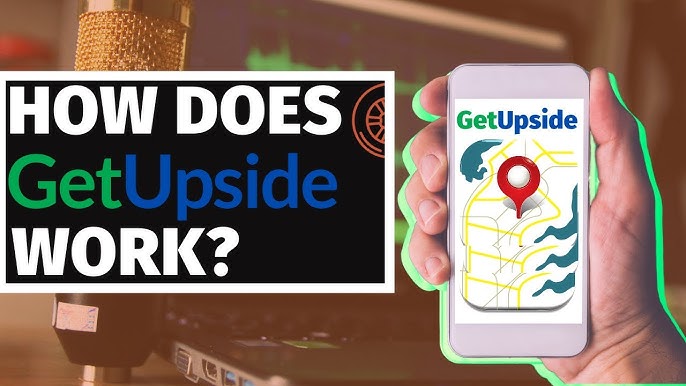
Upside Works: A Mobile-First, AI-Powered Cash-Back System
Launch & Browse
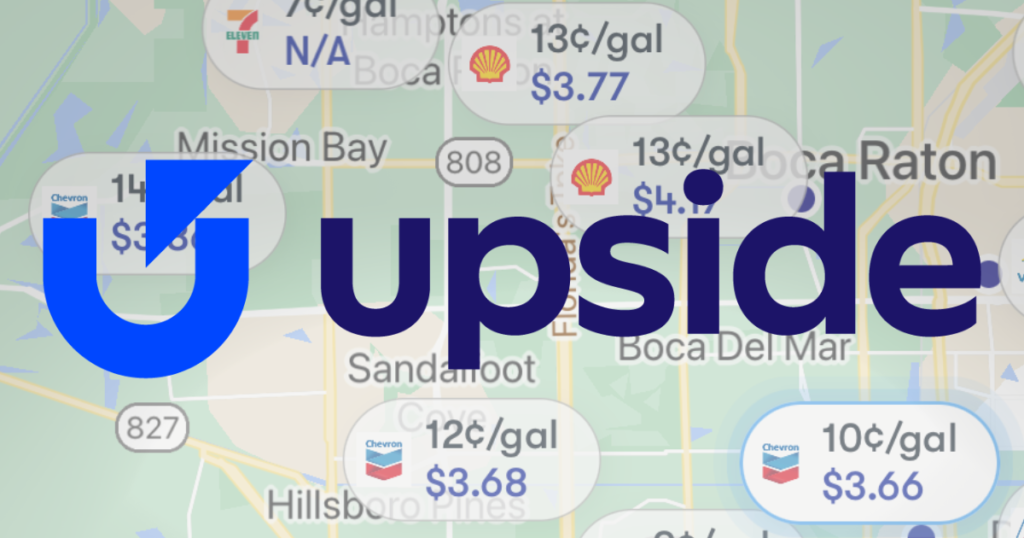
Fire up the app to see a map dotted with blue and red icons—each icon corresponds to a participating merchant: gas stations, grocery stores, quick-service restaurants (QSRs), and more. Below each stand-in price-per-gallon, which represents the effective price after cash‑back.
Important note: This isn’t necessarily the outright pump price you’d pay—it’s a discounted calculation after factoring in the reward.
Claim the Offer
Once you spot a suitable station, tap “Claim Offer.” You must pay with a linked Visa/Mastercard debit or credit card. Cash (or EBT/SNAP) doesn’t cut it. Without the card pay-in, there’s no reward.
Pay & Validate
After fueling, you can validate one of two ways:
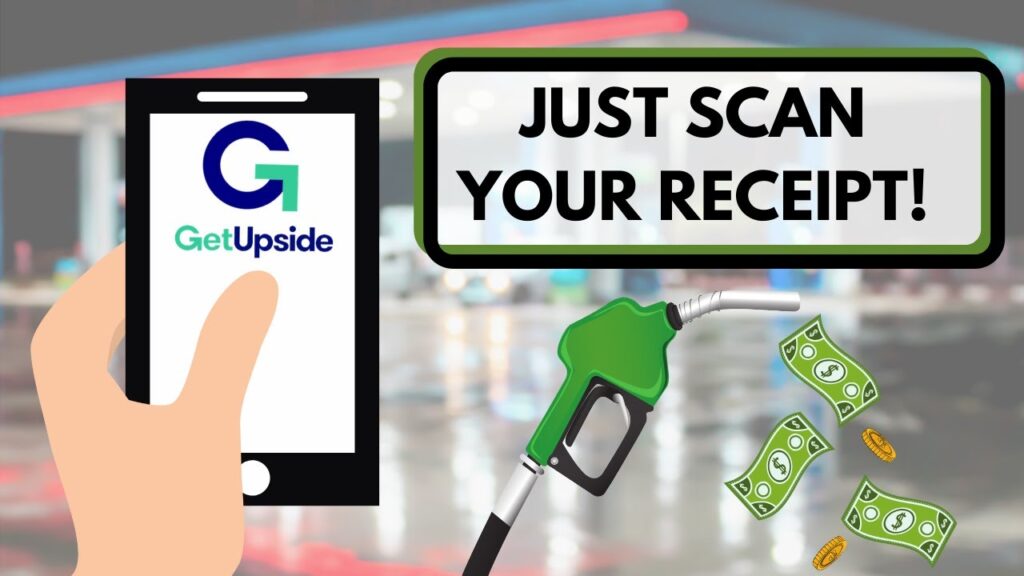
- Upload a photo of your receipt via the app, or
- Use in-app “Check In” to sync up location and transaction data.
Once confirmed, your reward posts to your Upside balance.
Cash Out
After you’ve reached the typical $10–$11 minimum threshold, you can:
- Bank transfer or PayPal cash-out, or
- Convert to a digital gift card (e.g., Amazon, Applebee’s).
Note: For balances under $10, Upside charges a $1 fee to cash out—so it may pay to wait longer.
Profit Sharing
Upside splits promotional cost with the merchant. Think of it as shared marketing: the station offers savings, Upside pays part, and both hope customers spend more—especially first-time or occasional visitors.
Personalized Discounts: Upside’s AI & Data Algorithms Drive Offers
Unlike standard loyalty programs that blanket users with identical rewards (e.g., “10¢ off per gallon if you buy two gallons”), Upside adopts a tailored discount model powered by user data and machine learning.
- The app collects anonymized card-ID, timestamps, location, ticket amounts, etc.
- It factors in station pump price, merchant profitability, competitor rates, and historical behavioral outcomes.
- Offers vary by individual based on Upside’s predictive algorithm of who’s most likely to act on a deal.
That means, even if you launch the app from the same gas pump as another user, your cash‑back offer could be subtly—or dramatically—different.
Upside’s pitch: they target promotional budget at drivers who are price‑sensitive—not those who would buy gas anyway. If you’re already a loyal customer, your reward may shrink or vanish. This precision targeting leverages smart economics at a granular level.
Potential Benefits & Caveats
| ✅ Benefits | ⚠️ Caveats |
|---|---|
| Real-world savings at pumps, grocery stores, restaurants | Average savings tend to be lower than “up to” marketing caps |
| Integration with Uber, Lyft, Instacart, DoorDash apps | Offers vary by user—and may favor new or price-sensitive profiles |
| Receipts via photo upload or in-app check-in | Has a payout threshold and small withdrawal fees |
| No cost to join; free to use | Uses your data to calibrate your personalized deals |
| Wide coverage across retail verticals, expanded rapidly | Algorithm remains proprietary—little transparency on who gets top deals |
Trying Upside—and Actually Benefiting
- Gig‑economy drivers (Uber, Lyft, DoorDash, Instacart):Upside integrated into Uber and Lyft’s driver apps and occasionally offered special promotions through DoorDash and Instacart. The pitch? Reimburse lost earnings due to high gas prices.
- Everyday commuters & families:Anyone can use Upside to check for deals on groceries or dining out while fueling up.But who is truly saving money? That’s harder to pin down.
Case Study: EntreCourier (Gig Worker)
“Ron,” a gig‑worker and courier blogger, tested Upside. He noted:
“…While [Upside] doesn’t say you’ll get that much off all the time, it sure makes it look like… ‘Hey, you can get up to 25 cents off per gallon.’ You get this idea…”
“On average, I see about 7 cents per gallon… occasionally I get up to 12 or 15 cents.”
True: Upside advertises “up to $0.25 off/gal,” but typical users—even Uber/lyft drivers—often see far less. Data suggests the average reward hovers closer to $0.07–$0.10/gal, with occasional higher bonuses.
Fast Facts & Performance Metrics
Funding to Date: ~$62.6 million from Silicon Valley, banking, and oil sectors (per CEO Alex Kinnier).
Merchants: Partnered with over 30,000 businesses across 48 states & D.C.
User Base: Over 30 million users; usage up 40% MoM in recent reporting.
Cash Back Paid: $200 million to users; merchants allegedly gained $350 million in incremental profit .
Algorithm Transparency: Upside leverages anonymized behavioral data; full algorithm remains proprietary.
It Fair—and Loses Out
Two key questions arise:
Do loyal customers lose discounts?
An undated Upside white paper suggested yes—if a user is loyal, offers “go to zero.”
A later corporate communication reversed the claim, affirming “Users are always able to earn cash back at our participating locations.”
Takeaway: Upside leverages tiered personalization, but random checks show loyalty could still result in lower-value deals.
Does Upside use “price discrimination”?
Experts like Marshall Steinbaum (Univ. of Utah) and Garphil Julien (Open Markets) argue Upside may be practicing price discrimination—extracting more safely from those willing to pay more, and offering deeper deals to budget-sensitive users. They caution potential exploitation through asymmetries in data-knowledge.
Julien warns this is achievable now through AI-enabled data analytics:
“The advent of harvesting more user data and using AI… has helped firms get pretty close to achieving [price-based personalization].”
Upside Worth It
If you frequently spend money on gas, order grocery delivery, or drive for ride‑hail/delivery services, it can put some cash back in your pocket:
- You’re unlikely to save more than 10–12 ¢ per gallon on average—but every penny counts.
- Occasional special offers may boost that temporarily.
- Ultimately, it’s a free, low-risk way to earn minor savings if you’re already buying fuel.
- But if you expected consistent 15–25 ¢/gal returns, Upside may disappoint. Don’t base travel budgets on the highest advertised numbers. The algorithm rewards those who fit the profile of targeted customers—so outcomes vary widely.
Quick Tips for Getting the Most
- Link your primary payment card for seamless checkout.
- Compare Upside’s “effective price” with actual pump prices and competitor apps before claiming.
- Use receipt upload if check-in is unreliable.
- Aim to build your balance toward the no-fee cash-out threshold.
- Don’t chase “up to” tags—track your real average savings over several fill-ups.
FAQs
What kind of savings can I expect per gallon?
You might get as much as $0.25/gal—but most users see around $0.07–$0.12/gal, depending on location, station, and your usage profile.
How and when do I get paid?
Once your cached-back balance reaches ~$10–$11, you can request a payout via bank transfer or gift cards. Below $10 incurs a $1 fee.
Does Upside sell my data?
No—they don’t share personal identifiers externally. Instead, Upside uses unique internal IDs to offer personalized deals. Only anonymized, limited data is shared with merchants—and only to verify transactions.
Am I penalized if I buy from the same station regularly?
Maybe. Upside’s algorithm may dampen your rewards if it deems you already a loyal customer—they want to attract new visits. But the company claims everyone can still earn cash-back.
Is it worth it for gig‑economy & ride‑hail drivers?
Mixed reviews: integration exists in Uber/Lyft apps, and occasional extra promos help offset fuel costs—but most report modest average savings (~7 ¢/gal). It’s worth testing if you’re frequently driving for work or deliveries—but don’t rely on advertised maximums.
Conclusion
Upside is a cleverly personalized, AI-powered app that promises fuel, food, and grocery savings by harnessing your data for precision offers. It’s zero-cost and widely acce
