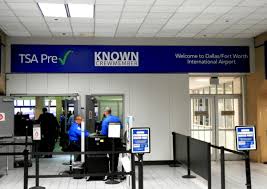
The Known Crewmember (KCM) Program, launched in 2011, allowed credentialed airline pilots and flight attendants to bypass standard TSA security lanes at many U.S. airports. The program was developed jointly by the Transportation Security Administration (TSA), the Air Line Pilots Association (ALPA), and Airlines for America (A4A).
Crew members using KCM were required to present valid identification and credentials. Upon verification, they could access secure airport areas without undergoing traditional screening. While effective in speeding up crew entry and maintaining operations, the program faced increasing scrutiny over the years.
Security officials implemented random screenings for KCM participants, but incidents of abuse continued. Recent investigations linked several airline employees to smuggling narcotics, firearms, and large sums of cash through KCM checkpoints. These developments prompted the TSA to reconsider the structure and purpose of the program.
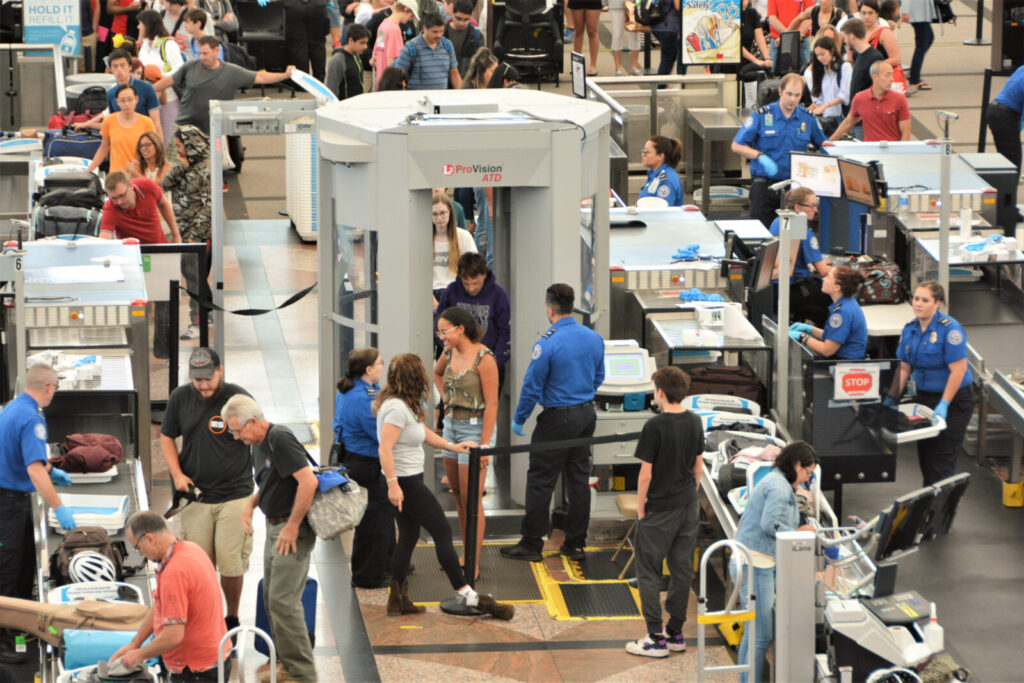
Reasons for Ending the KCM Program
Increase in Security Violations by Airline Employees
Several high-profile cases have highlighted vulnerabilities within the KCM system. Flight crew members have been caught transporting illegal substances, weapons, and undeclared cash through KCM checkpoints. These incidents raised concerns that the program’s limited screening process was being exploited.
TSA data and media reports have shown a rise in criminal activity associated with crew access privileges. As a result, the credibility and security integrity of the KCM system have diminished.
Misalignment with TSA’s Broader Mission
Although the TSA was created to prevent terrorist threats and the illegal transport of weapons, it has also taken on the responsibility of detecting broader security risks. The increase in smuggling activity through KCM lanes demonstrated that the program was no longer aligned with TSA’s evolving mission.
Allowing crew members to bypass standard screening processes created a loophole that compromised both passenger and staff safety. As the number of violations climbed, the TSA concluded that a new system was needed—one that could maintain efficiency while enhancing oversight.
Introduction of the Crewmember Access Point (CMAP) System
New TSA-Controlled Program for Crew Screening
In November 2025, the TSA will fully replace KCM with the Crewmember Access Point (CMAP) system. Unlike its predecessor, CMAP will be developed and managed entirely by the TSA. The shift away from joint management with ALPA and A4A is designed to centralize accountability and reduce potential weaknesses.
The CMAP system is expected to incorporate advanced identity verification and consistent screening procedures for all crew members. TSA representatives have emphasized that this move aims to maintain operational efficiency without compromising security standards.
Expected Features of the CMAP Program
Biometric Verification – CMAP will likely rely on fingerprint scans or facial recognition to verify identity. This process would reduce the chances of impersonation or credential misuse.
Dedicated Screening Lanes – Airline crews will be screened in designated CMAP lanes separate from general passenger and TSA PreCheck lanes.
Uniform Screening Protocols – All participating crew members will undergo standardized screening regardless of duty status or uniform appearance.
Passport-Linked Credentialing – Flight crew members may need to link their credentials to government-issued passports, ensuring a more secure and internationally recognized form of identity verification.
Consistent Random Screening – TSA will maintain the authority to conduct random checks, even within CMAP lanes, to preserve oversight and prevent misuse.
Differences Between KCM and CMAP Systems
| Feature | Known Crewmember (KCM) | Crewmember Access Point (CMAP) |
|---|---|---|
| Management | Joint (TSA, ALPA, A4A) | Solely TSA |
| Screening | Limited/Random | Consistent & Enhanced |
| Credentialing | Airline Badge | Passport-Linked + Biometric |
| Technology | Badge Scan | Biometrics + Digital Verification |
| Accountability | Shared | Centralized (TSA) |
The most significant change is the consistent application of security protocols. While KCM relied heavily on crew status and was selectively enforced, CMAP will use a unified screening standard across all airports and crew types.
Anticipated Effects of the Transition to CMAP
Impact on Airline Crew Members
Flight attendants and pilots may experience longer processing times compared to KCM, but the process will likely be faster than traditional passenger screening. Enhanced consistency and technological support may lead to fewer misunderstandings and reduced frustration caused by random KCM screenings.
However, the elimination of KCM’s bypass privileges may be viewed as an inconvenience by some. CMAP’s design is intended to strike a balance between speed and security while addressing the misuse that plagued the previous system.
Changes in Airport Operations
Airport infrastructure will need updates to accommodate CMAP lanes, equipment, and credentialing software. TSA officers will require additional training to implement the new system effectively. Airports with high crew traffic, such as major hubs, are expected to undergo the most significant changes.
Airline Adjustments to Scheduling and Logistics
Airlines will likely revisit crew scheduling and reporting procedures to allow time for CMAP screening. Some may adjust gate report times or build in buffer periods during shift rotations to reduce operational delays.
Security and Efficiency Benefits of CMAP
Increased Deterrence Against Smuggling
By standardizing screenings and incorporating biometric authentication, the TSA aims to prevent the misuse of access privileges. Crew members with intent to transport illegal items will have fewer opportunities to bypass detection.
Reduction in Security Loopholes
Unlike KCM, which depended on voluntary compliance and occasional enforcement, CMAP is designed to remove discretion. Uniform enforcement reduces uncertainty and creates a consistent barrier against unauthorized access.
Streamlined Security Flow for Crew Members
Though screening will be mandatory, TSA plans to make the process as fast and predictable as possible. CMAP lanes will be optimized for rapid movement while preserving the integrity of the screening process.
Official Timeline and Implementation Status
- January 2025: TSA announces plans to end KCM and launch CMAP.
- February to October 2025: TSA and airport partners begin CMAP setup, including lane construction and equipment calibration.
- November 2025: KCM officially sunsets; CMAP launches across all participating airports.
- Late 2025 to 2026: TSA monitors performance and refines screening processes.
As of mid-2025, KCM remains operational. Airline crew members are encouraged to ensure their passport and credential information is up to date with their respective employers and industry credentialing agencies.
Airline and Union Perspectives
Airline Positions on CMAP
Most major U.S. carriers support the move, citing an urgent need to close security gaps. Airlines recognize the operational adjustments involved but agree that the security benefits outweigh the added complexity.
Union Responses and Crew Sentiment
Organizations like ALPA and AFA have acknowledged the necessity of change while advocating for fairness and transparency. Flight attendants and pilots have expressed a mix of concern and acceptance. Some welcome the end of unpredictable random screenings, while others miss the convenience of KCM.
Five Key Facts About the CMAP Program
CMAP Program Scheduled for Launch in November 2025
The TSA has confirmed that the full transition to the new system will take place by the end of November 2025. Preparation is ongoing.
Biometric and Passport Verification Expected
Crew members may be required to submit biometric information and link credentials to passports for access authorization.
Uniform Screening Policy for All Crew
Unlike KCM, the CMAP program will not distinguish between in-uniform and off-duty crew. All will follow the same screening process.
Dedicated Lanes Planned for Crew Screening
CMAP will include exclusive lanes for airline personnel, reducing interference with regular passenger checkpoints.
Random Security Checks Will Continue
Even under CMAP, random screenings will remain in place to maintain accountability and security enforcement.
Conclusion
The transition from the Known Crewmember Program to the TSA’s Crewmember Access Point marks a new era in aviation security. With rising concerns over smuggling and misuse, the shift to a more secure, standardized, and centrally managed system is both timely and necessary.
While the CMAP program may initially disrupt routines for airline crews, the long-term benefits of consistency, transparency, and safety are expected to outweigh the challenges. By incorporating biometrics, improving credential verification, and standardizing screening procedures, the TSA is reinforcing its mission to ensure the secure movement of all individuals within airport environments—regardless of role or uniform.
