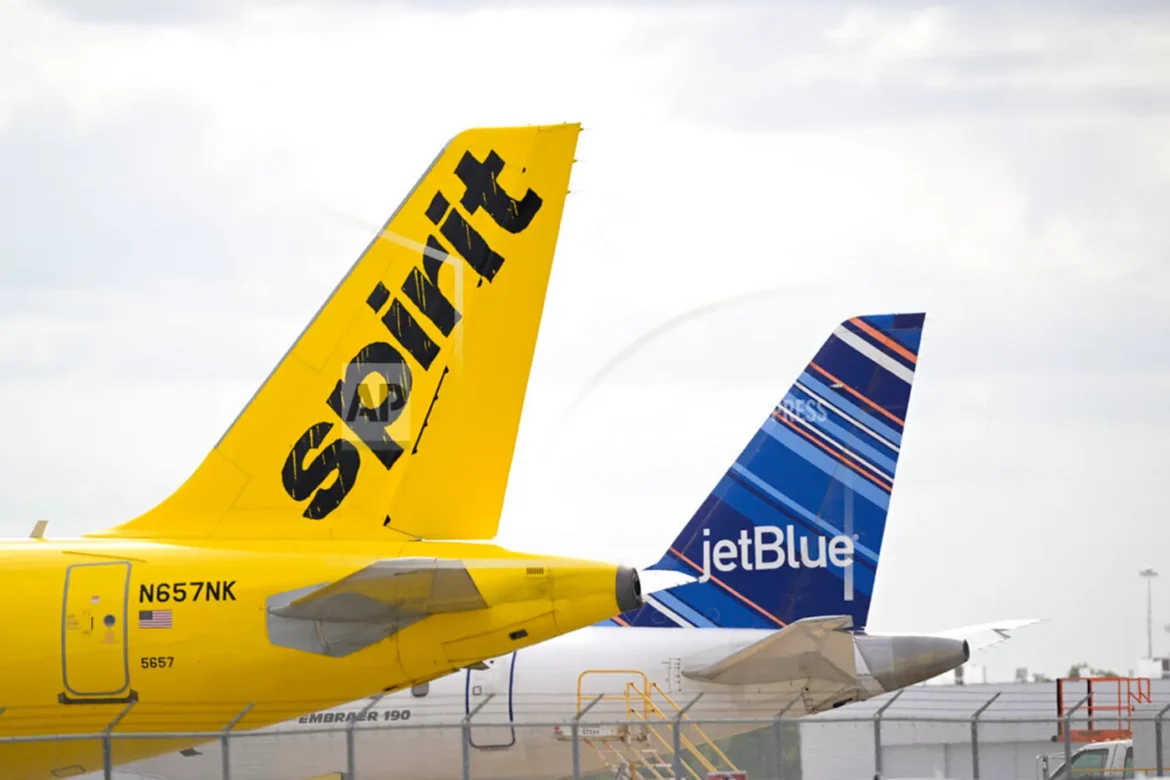
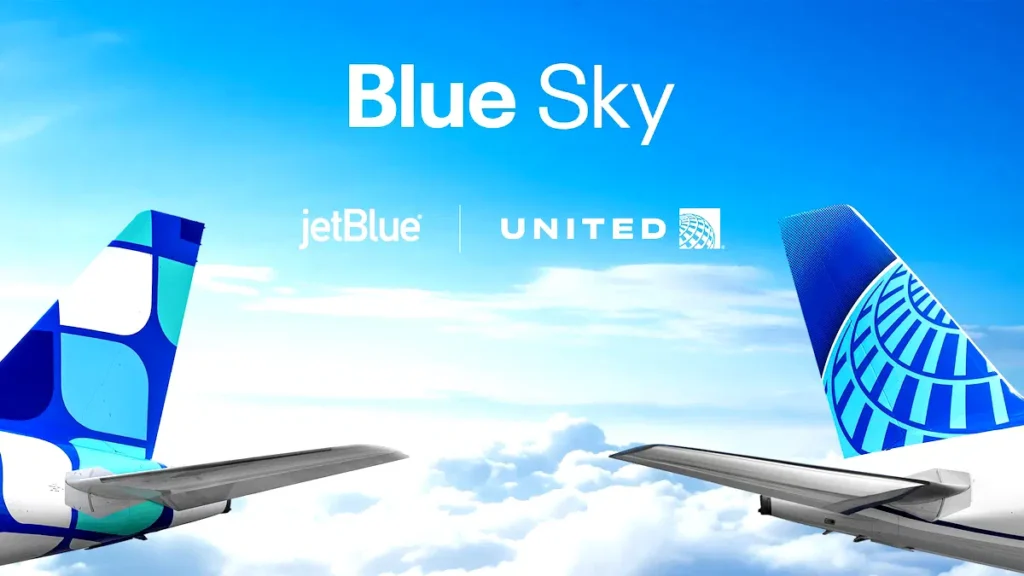
In a notable development within the U.S. airline industry, JetBlue Airways and United Airlines have unveiled plans for a strategic alliance named “Blue Sky.” This partnership aims to enhance connectivity and customer benefits through initiatives like frequent flyer program reciprocity, potential slot swaps, and coordinated corporate account strategies. The collaboration is designed to roll out gradually, starting with modest integrations and expanding over time. However, before the partnership could fully take off, Spirit Airlines, a prominent low-cost carrier, has raised significant objections, citing potential anticompetitive effects that could reshape the competitive landscape of the airline industry.
Spirit’s Call for Regulatory Scrutiny
Spirit Airlines has formally lodged a complaint with the U.S. Department of Transportation (DOT), urging an extended review period for the Blue Sky partnership. The airline is advocating for full transparency, demanding that all details of the agreement be disclosed to the public and that a period for public comment be established. Spirit’s filing draws a parallel to the 2021 review of the American Airlines and JetBlue Northeast Alliance (NEA), during which United Airlines itself supported public access to partnership details and a comment period. Spirit argues that the same level of scrutiny should apply to the Blue Sky initiative, given its potential to impact competition and consumer interests.
The limited information released about the Blue Sky partnership has already raised red flags for Spirit. The airline contends that the agreement could mirror the anticompetitive issues seen in the NEA, which was ultimately challenged and dissolved due to concerns over reduced competition. Spirit’s filing emphasizes that the partnership’s structure could lead to unfair competitive practices, potentially harming consumers and other airlines, particularly low-cost carriers like itself.
Details of Spirit’s Anticompetitive Concerns
Spirit’s complaint outlines several specific concerns about the Blue Sky partnership. At its core, the airline argues that the collaboration creates incentives that could undermine competition. The key points of contention include:
Frequent Flyer Program Reciprocity
The partnership’s frequent flyer reciprocity, allowing customers to earn and redeem miles across both JetBlue’s TrueBlue and United’s MileagePlus programs, is a central issue. Spirit claims that this arrangement could effectively subordinate JetBlue to United, given United’s significantly larger global network. JetBlue’s customers would gain access to United’s extensive international and domestic routes, which could make JetBlue more reliant on United’s infrastructure and loyalty program.
Spirit argues that JetBlue will need to purchase United miles to offer this connectivity, increasing its operational costs. To offset these costs, Spirit predicts that JetBlue may raise fares, which would ultimately harm consumers. The airline asserts that this dynamic could transform JetBlue into a “de facto vassal” of United, with its network decisions influenced by United’s priorities rather than independent competitive strategies.
Read More: The 10 Longest Nonstop Flights Globally: A Points and Miles Guide
Potential Slot Swaps
Another significant concern is the proposed slot swaps, which could allow United to re-enter New York’s John F. Kennedy International Airport (JFK) by 2027. Slot swaps involve exchanging highly coveted takeoff and landing slots at constrained airports, a practice that can significantly alter market dynamics. Spirit argues that such swaps could entrench the dominance of legacy carriers like United in key markets like New York and Boston, where access to slots is already limited for smaller carriers. This, in turn, could restrict competition by limiting the ability of low-cost carriers to expand their presence in these critical hubs.
Corporate Account Coordination
The Blue Sky partnership also includes plans to coordinate on high-value corporate accounts, which Spirit views as a threat to competition. By aligning their offerings to corporate clients, United and JetBlue could capture a larger share of this lucrative market segment, potentially sidelining smaller carriers like Spirit that rely on competitive pricing to attract business travelers. This coordination could further erode the market share of low-cost carriers, making it harder for them to compete effectively.
Broader Market Implications
Spirit’s filing goes further, arguing that the Blue Sky partnership could perpetuate barriers to entry at major airports like those in New York and Boston. These airports are already challenging for new entrants and smaller incumbents due to limited slot availability and high operational costs. By strengthening the market position of United and JetBlue, the partnership could weaken the competitive pressure exerted by low-cost carriers, ultimately leading to higher fares and fewer choices for consumers.
Spirit also highlights the risk of customer “siphoning,” where passengers are drawn to the Blue Sky partnership due to the enhanced benefits of United’s loyalty program. This could reduce the customer base of independent carriers like Spirit, further straining their financial viability in an already challenging market.
Evaluating Spirit’s Arguments
Spirit’s objections are not uncommon in the airline industry, where competitors frequently challenge partnerships that could alter market dynamics. However, the validity of Spirit’s concerns depends on the specific aspects of the Blue Sky partnership and their broader implications.
Frequent Flyer Program Concerns: Valid or Overstated?
Spirit’s argument that the frequent flyer reciprocity is inherently anticompetitive appears to be one of its weaker points. Loyalty program partnerships are common in the airline industry and are generally seen as consumer-friendly, offering travelers more flexibility and options for earning and redeeming rewards. For example, global Airline alliances like Star Alliance and Oneworld have long facilitated similar reciprocity without facing significant regulatory pushback.
The claim that JetBlue will need to raise fares to cover the cost of purchasing United miles seems speculative. Such partnerships typically involve negotiated agreements that balance costs and benefits for both parties. Without concrete evidence that JetBlue’s fares will increase as a direct result of this partnership, Spirit’s argument lacks substance. Moreover, consumers often benefit from the expanded earning and redemption opportunities that come with such collaborations, making it difficult to classify them as inherently anticompetitive.
Slot Swaps: A Legitimate Concern
The potential slot swaps, however, warrant closer scrutiny. Slot-constrained airports like JFK and Boston Logan are critical battlegrounds for airline competition, and any arrangement that could further limit access for smaller carriers raises valid concerns. If United’s return to JFK comes at the expense of JetBlue’s slot portfolio or restricts opportunities for other carriers, it could indeed reduce competition in these markets. Regulatory oversight is essential to ensure that any slot swaps are conducted transparently and do not disproportionately favor legacy carriers.
Impact on Low-Cost Carriers
Spirit’s broader point about the challenges faced by low-cost carriers in the current industry landscape is undeniable. The U.S. airline market has evolved significantly, with legacy carriers like United, American, and Delta leveraging their loyalty programs and co-brand credit card agreements to generate substantial profits. These programs rely on scale, which smaller carriers like Spirit and JetBlue struggle to achieve independently.
The Blue Sky partnership could exacerbate these challenges by enhancing the competitive position of United and JetBlue, potentially drawing customers away from unaligned low-cost carriers. Spirit’s concern that such partnerships weaken smaller players is valid, but it reflects a structural issue in the industry rather than a specific flaw in the Blue Sky agreement.
The Bigger Picture: Industry Consolidation and Loyalty Programs
Spirit’s objections highlight a fundamental tension in the U.S. airline industry: the growing divide between large, legacy carriers and smaller, low-cost operators. The profitability of legacy carriers is increasingly tied to their loyalty programs, which are bolstered by lucrative co-brand credit card agreements. These agreements effectively subsidize airfares, allowing legacy carriers to offer competitive pricing while generating significant revenue from non-ticket sources.
Low-cost carriers, however, lack the scale to compete in this arena. Without robust loyalty programs or the infrastructure to support large-scale partnerships, carriers like Spirit struggle to maintain profitability. This dynamic has contributed to the financial difficulties faced by many low-cost carriers, some of which have resorted to mergers or partnerships to survive.
Spirit’s call for regulatory intervention reflects a desire to preserve its competitive position, but it also raises questions about the long-term viability of independent low-cost carriers. The airline industry’s economics suggest that scale is increasingly necessary to compete effectively, and partnerships like Blue Sky are a natural response to this reality.
Is Consolidation the Answer?
One perspective is that the airline industry could benefit from further consolidation. Rather than maintaining a fragmented market with numerous struggling carriers, a move toward a “big six” or similar structure could create more stable, competitive entities capable of leveraging loyalty programs and economies of scale. This approach would prioritize overall industry capacity and consumer choice over the survival of every individual airline.
However, consolidation is not a panacea. It could lead to reduced competition in certain markets, particularly if slot-constrained airports remain dominated by a few large carriers. Regulators must balance the need for industry stability with the imperative to protect consumer interests and maintain competitive pricing.
Consumer Implications
From a consumer perspective, the Blue Sky partnership offers both opportunities and risks. The frequent flyer reciprocity could enhance travel options, allowing JetBlue customers to access United’s global network and vice versa. This could be particularly appealing for frequent travelers seeking flexibility in their loyalty programs.
However, if Spirit’s concerns about fare increases or reduced competition in key markets prove valid, consumers could face higher prices and fewer choices over time. The slot swap issue, in particular, requires careful monitoring to ensure that it does not disproportionately benefit United at the expense of smaller carriers or consumers.
Regulatory Considerations
Spirit’s demand for transparency and a public comment period is reasonable, given the potential impact of the Blue Sky partnership. The DOT has a responsibility to thoroughly review any agreement that could alter the competitive landscape, particularly in slot-constrained markets. The precedent set by the NEA case underscores the importance of public scrutiny and regulatory oversight in such matters.
Regulators should focus on ensuring that the partnership does not unduly restrict competition or harm consumers. This includes evaluating the terms of any slot swaps, assessing the impact on fares, and considering the broader implications for low-cost carriers. A transparent review process with opportunities for public input will help address these concerns and build confidence in the regulatory framework.
FAQ’s
What is the “Blue Sky” partnership between United Airlines and JetBlue Airways?
The Blue Sky partnership is a strategic alliance between United Airlines and JetBlue Airways that includes frequent flyer program reciprocity, potential slot swaps, and coordination on corporate accounts. It aims to enhance customer benefits and connectivity, starting gradually and expanding over time, with potential slot swaps planned for 2027 and beyond.
Why is Spirit Airlines objecting to the Blue Sky partnership?
Spirit Airlines has filed a complaint with the Department of Transportation (DOT), claiming the partnership is anticompetitive. Spirit argues that it could lead to higher fares, reduced competition, and limited market access for low-cost carriers, particularly due to frequent flyer reciprocity and potential slot swaps at constrained airports like JFK and Boston Logan.
What specific concerns does Spirit raise about the partnership?
Spirit’s concerns include:
- Frequent Flyer Reciprocity: JetBlue may raise fares to cover the cost of purchasing United miles, making it a “de facto vassal” of United.
- Slot Swaps: Potential slot swaps could entrench legacy carriers’ dominance at key airports, limiting access for smaller carriers.
- Corporate Account Coordination: Joint efforts on corporate accounts could sideline low-cost carriers.
- Market Impact: The partnership could weaken low-cost carriers by attracting customers to United’s loyalty program, reducing competition and raising fares.
What actions is Spirit requesting from the DOT?
Spirit is demanding an extended review period for the partnership, full public disclosure of its details, and a period for public comment, citing the precedent set by United’s support for transparency during the 2021 American Airlines-JetBlue Northeast Alliance (NEA) review.
Does Spirit’s objection have merit?
Spirit’s concerns have mixed validity:
- The frequent flyer reciprocity argument is weak, as such partnerships are common and benefit consumers by offering more options.
- The slot swap concern is more legitimate, as it could limit competition at slot-constrained airports like JFK and Boston Logan.
- Spirit’s point about the challenges faced by low-cost carriers is valid but reflects broader industry trends rather than specific issues with the partnership.
How could the Blue Sky partnership affect consumers?
The partnership could benefit consumers by offering more options to earn and redeem miles across United and JetBlue’s networks. However, if Spirit’s concerns about fare increases or reduced competition are realized, consumers could face higher prices and fewer choices, particularly in markets like New York and Boston.
What are slot swaps, and why are they a concern?
Slot swaps involve exchanging takeoff and landing slots at constrained airports. They are a concern because they could give United and JetBlue a competitive advantage in key markets, potentially limiting access for smaller carriers and reducing competition, which could lead to higher fares.
How does this partnership relate to broader airline industry trends?
The partnership reflects the industry’s shift toward scale and loyalty program profitability, driven by lucrative co-brand credit card agreements. Low-cost carriers like Spirit struggle to compete without similar scale, leading to financial challenges and calls for consolidation or partnerships.
What role does the DOT play in this situation?
The DOT is responsible for reviewing airline partnerships to ensure they do not harm competition or consumers. Spirit’s complaint urges the DOT to scrutinize the Blue Sky partnership, particularly its potential impact on fares, market access, and low-cost carriers.
Could this partnership lead to industry consolidation?
The partnership highlights the challenges faced by smaller carriers, which may push the industry toward further consolidation. Some argue that moving toward a “big six” airline structure could create more sustainable competitors, but this must be balanced against maintaining competition and consumer choice.
What is the precedent set by the American Airlines-JetBlue Northeast Alliance (NEA)?
The NEA, reviewed in 2021, was challenged and dissolved due to anticompetitive concerns, as it reduced competition in key markets. Spirit cites this case to argue for similar scrutiny of the Blue Sky partnership, noting United’s prior support for transparency in that review.
What are the next steps for the Blue Sky partnership?
The DOT will likely review Spirit’s complaint and decide whether to extend the review period, require public disclosure, or allow a comment period. The partnership’s implementation, particularly slot swaps, may face delays or modifications based on regulatory findings.
Conclusion
Spirit Airlines’ objections to the United and JetBlue Blue Sky partnership highlight legitimate concerns about competition in the U.S. airline industry. While the frequent flyer reciprocity appears to be a standard and consumer-friendly practice, the potential slot swaps and their impact on market access warrant closer scrutiny. Spirit’s broader point about the challenges faced by low-cost carriers is valid but reflects deeper structural issues in the industry.
The Blue Sky partnership represents a strategic move by United and JetBlue to strengthen their competitive positions, but it also underscores the growing divide between legacy carriers and smaller operators. Regulators must carefully evaluate the agreement to ensure that it does not harm consumers or unduly restrict competition. Meanwhile, the industry’s evolution suggests that further consolidation may be necessary to create a more sustainable and competitive market, though this must be balanced against the need to preserve consumer choice and affordability.
