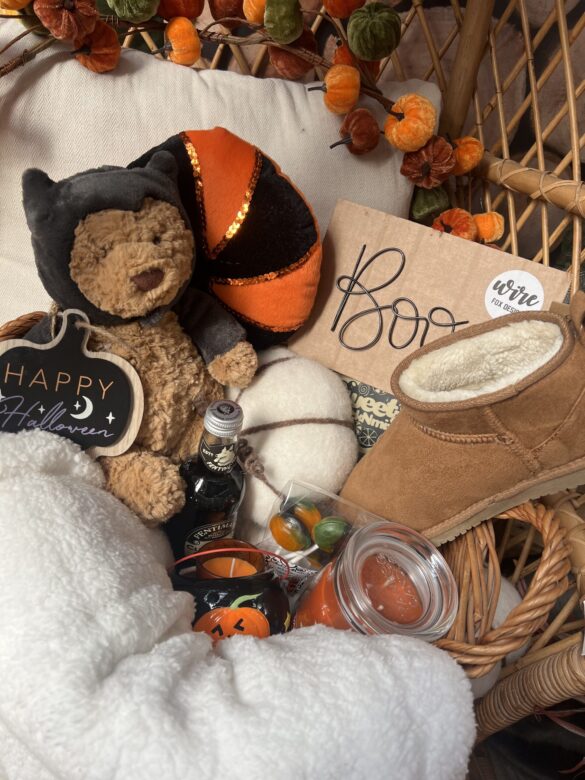
In early September, I stumbled across the term “boo basket” for the first time. It appeared on Instagram stories, where friends expressed a longing for someone to gift them one. As someone who finds the rush to embrace “cozy season” and “sweater weather” irritating—especially when summer is still lingering—I was immediately skeptical. The commercialization of fall often feels excessive, and this new trend seemed like another gimmick. Yet, the boo basket craze was inescapable, popping up on TikTok, Instagram Reels, and even in real-life conversations with people I know.
Social media amplified the trend, with countless posts showcasing elaborately curated baskets filled with Halloween-themed goodies. It felt like an overnight sensation, yet the fervor suggested it was a long-standing tradition. Curiosity got the better of me, and I dove into understanding what these baskets are, why they’re trending, and whether they’re worth the hype.
Defining the Boo Basket
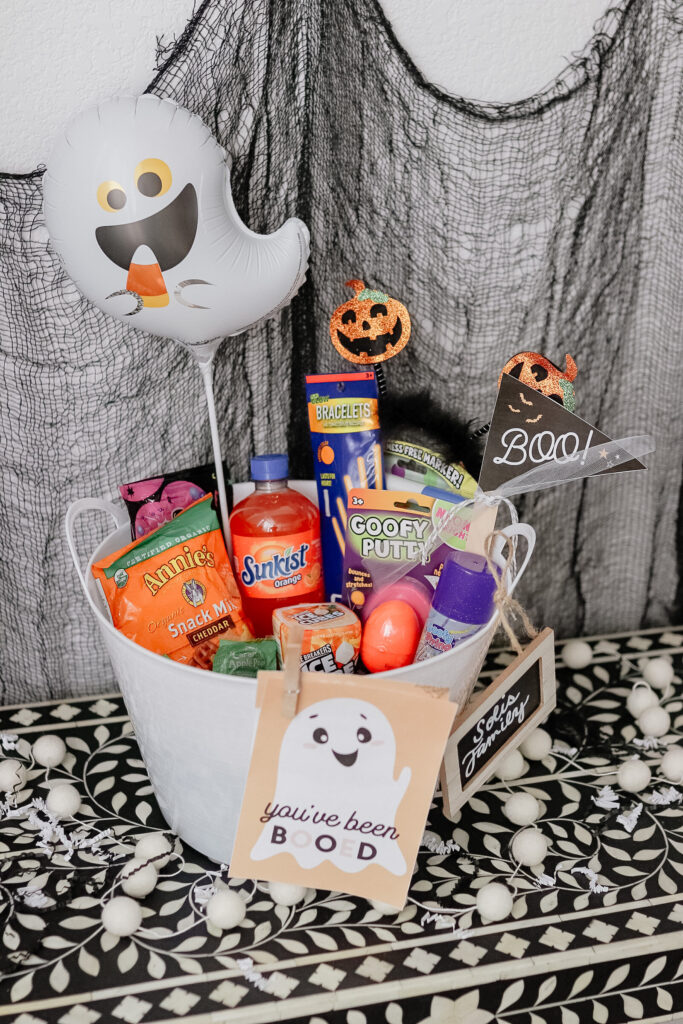
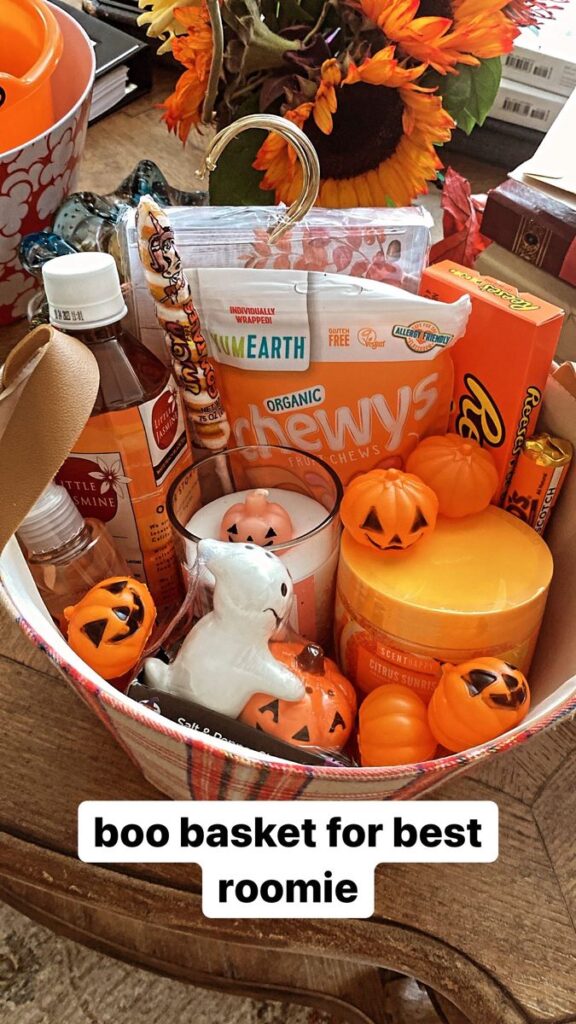
A boo basket, at its core, is a Halloween-themed gift basket, akin to an Easter basket but tailored for the spooky season. Its contents and purpose vary depending on the giver and recipient. For some, it’s a parental gesture, filled with candies, small toys, or seasonal trinkets for kids. Others see it as a romantic exchange between partners, featuring personalized items like favorite snacks, Halloween-themed candles, or cozy blankets. The term “boo” cleverly plays on both the spooky Halloween vibe and an affectionate nod to a loved one.
The trend’s flexibility is part of its appeal. Baskets can range from budget-friendly collections of dollar-store finds to extravagant packages including high-end items like designer mugs or tech gadgets. However, this versatility also fuels debates about its necessity, especially when Halloween already involves expenses like costumes, candy, and seasonal outings.
The Origins and Popularity of Boo Baskets
Despite their sudden prominence, boo baskets are not a time-honored tradition. A quick check on Google Trends reveals that interest in the term surged only within the last two years, with over 82,000 TikTok videos tagged #boobasket as of my research. This rapid rise suggests a trend driven by social media algorithms rather than deep cultural roots. Unlike Christmas or Valentine’s Day gift exchanges, boo baskets lack historical precedent, making their meteoric popularity all the more intriguing.
The trend’s origins are murky, but it seems to have gained traction through parenting blogs, lifestyle influencers, and social media platforms where users share gift ideas. Retailers have also jumped on the bandwagon, with stores like Target and Etsy promoting pre-made boo baskets or themed items to fill them. The trend’s virality is further fueled by the pressure to participate in what feels like a new social expectation, especially in tight-knit communities or online circles.
The Social Pressure to Participate
Boo baskets are not just about gifting; they carry a social weight. On platforms like Reddit, parents lament the expectation to create boo baskets for their children, especially after already spending on Halloween costumes, trick-or-treating supplies, and fall activities like pumpkin patches. Some describe it as an added burden, another expense in an already costly season. Others, particularly in romantic relationships, feel pressured to reciprocate if their partner hints at wanting one.
There’s also a chain-letter-like aspect to the trend in some circles. Similar to holiday gift exchanges or cookie swaps, some boo baskets come with an implicit obligation to “pay it forward” by gifting one to someone else. This dynamic can feel coercive, especially in suburban or community settings where social norms discourage breaking the chain. I recall my mother navigating similar pressures with church gift exchanges when I was young, participating not out of enthusiasm but to maintain harmony.
This social pressure raises questions about whether boo baskets are a genuine expression of affection or a manufactured obligation driven by social media and consumerism. The fear of being seen as “cheap” or uninvolved can push people to participate, even if they’re skeptical of the trend’s value.
The Cost of Boo Baskets – A Consumerist Concern
One of my biggest gripes with boo baskets is their potential to escalate spending during a season already packed with expenses. Halloween is not traditionally a gift-giving holiday, yet some boo baskets feature extravagant items like Stanley cups, Ugg boots, or even iPhones. Videos on TikTok showcase baskets with high-end candles, designer accessories, and premium snacks, raising the bar for what’s considered acceptable. With Christmas and other gift-heavy holidays just around the corner, this additional expenditure feels unnecessary to many, including myself.
The commercialization of boo baskets mirrors broader trends in holiday culture, where every season becomes an opportunity for retailers to push new products. Pre-made boo baskets are now available at major retailers, with price tags ranging from $20 to over $100. For those crafting their own, the cost of individual items—like themed mugs, specialty candies, or seasonal decor—can quickly add up. This financial strain is particularly felt by parents or those on tight budgets who feel compelled to keep up with the trend.
Alternatives to Extravagant Spending
If you’re considering making a boo basket but want to avoid breaking the bank, there are ways to keep it affordable and thoughtful. Focus on the recipient’s preferences and opt for budget-friendly items. For example, a basket with their favorite snacks, a Halloween-themed mug from a discount store, and a small seasonal decoration can be just as meaningful as pricier options. The dollar section at stores like Target or Walmart offers plenty of cute, festive items that won’t strain your wallet.
For a more cohesive gift, consider a theme. A coffee lover might appreciate a basket with pumpkin-spice coffee beans, a fall-themed mug, and some biscotti. A movie buff could enjoy a selection of Halloween candies paired with a streaming service gift card for a spooky movie night. These thoughtful touches show effort without requiring lavish spending.
Alternatively, you can skip the basket entirely and focus on experiences. Halloween is rich with opportunities for memory-making, like visiting a fall festival, carving pumpkins, or hosting a scary movie marathon. These activities often cost less than a lavish gift basket and create lasting memories that material goods can’t match.
The Case Against Boo Baskets
While I understand the appeal of boo baskets—thoughtful gifting can strengthen relationships—I remain skeptical of their necessity. Halloween has always been about costumes, candy, and community activities, not elaborate gift exchanges. The pressure to participate feels like a byproduct of social media’s tendency to amplify trends until they seem mandatory. Algorithms push boo basket content relentlessly, creating a sense of urgency that doesn’t align with the holiday’s traditional spirit.
Moreover, the trend’s newness undermines claims of it being a “must-do” tradition. Unlike long-standing holiday practices, boo baskets lack cultural depth, making them feel more like a fleeting fad than a meaningful ritual. For those who value anti-consumerist principles or simply want to save money for the upcoming holiday season, opting out is a valid choice.
There’s also the risk of gift fatigue. With Christmas, Hanukkah, or other winter holidays looming, adding another gift-giving expectation to October feels excessive. Instead of pouring energy into a boo basket, consider redirecting that effort into something more aligned with Halloween’s roots, like decorating your home or planning a spooky outing with loved ones.
Navigating the Boo Basket Decision
Deciding whether to embrace the boo basket trend depends on your circumstances and values. If your partner, child, or friend is dropping hints about wanting one, participating might be a way to show affection and avoid conflict. A small, thoughtful basket can fulfill the expectation without straining your budget. However, if the idea feels like an unnecessary expense or a social media-driven obligation, it’s perfectly fine to skip it.
The key is to prioritize what feels authentic to you. If you enjoy crafting gifts and see boo baskets as a fun way to celebrate Halloween, go for it—but keep it reasonable. If the trend feels like a chore, don’t let social pressure guilt you into participating. Halloween offers plenty of ways to connect with loved ones without adding another item to your shopping list.
FAQs
What exactly is a boo basket?
A boo basket is a Halloween-themed gift basket filled with seasonal items like candies, themed decor, or cozy accessories. It’s similar to an Easter basket but designed for Halloween, often given to kids, partners, or friends. The term “boo” nods to both the spooky holiday and an affectionate term for a loved one.
Are boo baskets a traditional part of Halloween?
No, boo baskets are a recent trend, gaining popularity over the last two years, largely driven by social media platforms like TikTok and Instagram. Unlike established holiday traditions, they lack deep cultural roots and are more of a modern, consumer-driven fad.
Do I have to make a boo basket for someone?
Not at all! Boo baskets are optional, and there’s no obligation to participate. If someone hints at wanting one, you might consider a small, thoughtful gesture, but skipping it won’t ruin Halloween. Focus on what feels meaningful to you, like seasonal activities or other traditions.
How can I make a boo basket without spending too much?
Keep it budget-friendly by choosing affordable items like favorite snacks, Halloween-themed trinkets from dollar stores, or small decor items. Opt for a theme, like a coffee-lover’s basket with pumpkin-spice beans and a mug, to make it cohesive without breaking the bank.
What are some alternatives to giving a boo basket?
Instead of a boo basket, consider Halloween experiences like visiting a pumpkin patch, hosting a scary movie night, or carving pumpkins together. These activities create lasting memories, often cost less, and align with the holiday’s community-focused spirit.
Conclusion
The boo basket trend is a fascinating example of how social media can turn a niche idea into a cultural phenomenon. While it’s marketed as a fun, festive way to celebrate Halloween, its rapid rise and consumerist undertones raise questions about its staying power. For some, boo baskets are a delightful way to spread joy; for others, they’re an unnecessary expense in an already commercialized season.
Ultimately, the decision to make or skip a boo basket is yours. If you choose to participate, focus on thoughtfulness over extravagance. If you opt out, rest assured that Halloween will be just as spooky and enjoyable without a basket in sight. Instead of chasing every trend, consider what makes the season meaningful for you and your loved ones—whether that’s a basket of goodies or a simple night of carving pumpkins under the autumn moon.
