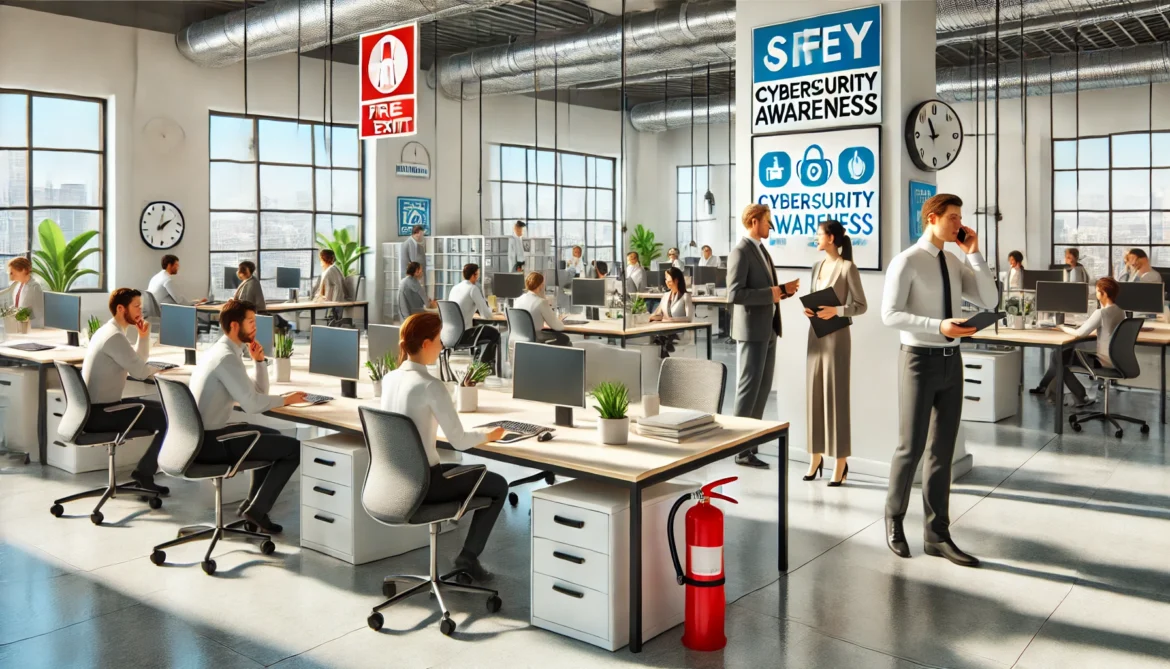
Workplace security is a fundamental aspect of any professional environment, especially in Managed Offices, where multiple businesses operate under one roof. According to the Occupational Safety and Health Administration (OSHA), workplace accidents cost companies billions of dollars annually, with over 2.8 million nonfatal injuries reported in private industry locations within a single year. Implementing effective security measures can significantly reduce these incidents, fostering a safer and more efficient work environment.
Maintain a Clean and Organized Workspace
A clutter-free environment minimizes workplace accidents such as slips and falls, which account for 85% of workplace injuries in Managed Offices. A tidy workspace not only enhances safety but also improves productivity and focus.
Key Steps to Maintain Office Cleanliness:
- Properly organize wires and cables to prevent tripping hazards.
- Dispose of waste responsibly and on time.
- Arrange furniture strategically to allow free movement.
- Regularly disinfect shared surfaces to maintain hygiene.
- Implement a no-clutter policy to keep workstations neat.
Encourage Safe Practices for a Healthier Workplace
Repetitive strain injuries contribute significantly to workplace health issues. Ergonomic enhancements in Managed Offices can alleviate skeletal problems, boosting comfort and efficiency.
Best Practices for Work-Life Balance:
- Adjust chairs and desks to support proper posture.
- Use wrist supports while typing to prevent strain.
- Take regular breaks to reduce fatigue and improve mobility.
- Opt for an ergonomic keyboard and mouse for wrist relief.
- Position screens at eye level to prevent neck and eye strain.
Prioritize Fire Safety Measures
Fires pose a major risk to workplace safety, causing over $2.3 billion in property damage annually. Managed Offices should implement fire safety protocols, including fire extinguishers, marked exit routes, and regular fire drills to ensure preparedness.
Essential Fire Safety Measures:
- Clearly mark fire extinguishers and emergency exits.
- Avoid overloading electrical outlets and extension cords.
- Conduct routine fire drills to familiarize employees with safety procedures.
- Ensure smoke alarms and fire detection systems are functional.
- Store flammable materials in designated safe areas.
Implement Electrical Safety Precautions
Faulty wiring and overheated circuits pose serious hazards, contributing to 5% of fatal workplace accidents annually.
Essential Electrical Safety Guidelines:
- Avoid daisy-chaining multiple power strips to reduce fire risk.
- Unplug devices when not in use to prevent overheating.
- Immediately report exposed wires or flickering lights.
- Ensure only qualified professionals handle electrical work.
- Keep liquids away from electrical equipment to prevent short circuits.
Strengthen Data Security and Cybersecurity
In Managed Offices, digital security is as crucial as physical safety. Cyber threats cost the global economy over $6 trillion annually and can jeopardize sensitive company data.
Cybersecurity Best Practices:
- Use two-factor authentication and strong, frequently updated passwords.
- Enable firewalls and security software for safe browsing.
- Avoid accessing sensitive data via public Wi-Fi networks.
- Regularly update software to fix security vulnerabilities.
- Conduct cybersecurity awareness training for employees.
Promote Workplace Hygiene and Health
Since the COVID-19 pandemic, workplace hygiene has become a top priority. Research indicates that maintaining good hygiene in shared offices reduces sick days by 50%.
Essential Hygiene Practices:
- Wash hands regularly with soap or hand sanitizer.
- Clean shared desks and devices daily.
- Review company sick leave policies to prevent illness spread.
- Encourage unwell employees to work from home.
- Ensure hygiene supplies like hand sanitizers and disinfectant wipes are readily available.
Provide Emergency Preparedness and First Aid Training
Workplace emergencies can happen unexpectedly. Studies show that companies with trained first-aid responders experience 50% fewer fatalities and faster recovery in crisis situations.
Key Emergency Preparedness Steps:
- Train employees in basic first aid, including CPR and wound care.
- Maintain an easily accessible list of emergency contacts.
- Participate in safety drills and training sessions.
- Ensure first aid kits are well-stocked and available.
- Designate certified emergency personnel in the office.
Reduce Workplace Stress and Support Mental Health
Over 60% of employee burnout cases stem from workplace stress. A balanced and supportive environment in Managed Offices enhances job satisfaction and productivity.
Ways to Support Employee Mental Health:
- Take regular breaks to recharge.
- Engage in mindfulness activities like meditation and deep breathing.
- Seek professional counseling if needed.
- Foster an open-door policy for addressing workplace concerns.
- Organize team-building activities to promote collaboration and morale.
Establish and Enforce Safety Policies
Clear and well-communicated safety policies reduce workplace accidents by 30%. Ensuring all employees are aware of protocols and emergency procedures minimizes confusion and risks.
Steps to Implement Effective Safety Policies:
- Conduct regular safety meetings and briefings.
- Display clear safety signs in key office areas.
- Train both new and existing employees on safety procedures.
- Distribute digital copies of updated safety guidelines.
- Encourage employees to report safety concerns promptly.
Foster a Strong Safety Culture
A proactive approach to workplace safety in Managed Offices reduces incidents and enhances overall efficiency.
How to Build a Safety-Oriented Culture:
- Encourage employees to report hazards without fear.
- Recognize and reward adherence to safety policies.
- Regularly update safety protocols based on office assessments.
- Promote a culture of shared responsibility for security.
- Maintain open communication regarding safety concerns and innovations.
Frequently Asked Questions
Why is workplace safety important in managed offices?
Workplace safety reduces accidents, enhances productivity, and ensures compliance with regulations, creating a secure environment for employees.
How can employees contribute to a safer managed office?
Employees can maintain cleanliness, follow safety protocols, report hazards, participate in drills, and practice cybersecurity measures.
What are the most common workplace hazards in managed offices?
Common hazards include slips and falls, electrical risks, poor ergonomics, fire hazards, and cybersecurity threats.
How does cybersecurity relate to workplace safety in managed offices?
Cybersecurity protects sensitive business data, prevents cyberattacks, and ensures safe digital operations alongside physical security measures.
What role does emergency preparedness play in workplace safety?
Emergency preparedness, including first aid training and fire drills, helps employees respond effectively to crises, reducing injury risks.
Conclusion
Workplace safety in managed offices is essential for protecting employees, enhancing productivity, and ensuring a secure work environment. By following these 10 safety tips, including maintaining cleanliness, implementing cybersecurity measures, prioritizing fire and electrical safety, and fostering a culture of awareness, businesses can significantly reduce risks. Encouraging employee participation in safety initiatives and regular training further strengthens workplace security. A proactive approach to safety not only prevents accidents but also creates a healthier, more efficient, and stress-free office space for everyone.
