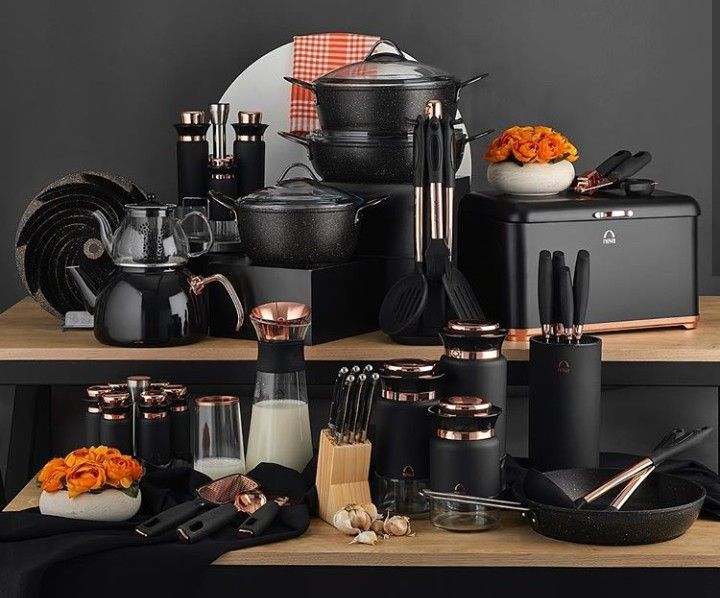
The kitchen represents one of humanity’s oldest laboratories, a space where raw ingredients undergo alchemical transformations into nourishment, comfort, and memory. At the heart of this transformation stand the silent partners in every culinary endeavor: kitchen tools. These implements form an orchestra of functionality where each instrument plays its part in the symphony of meal preparation. From the precise slice of a well-honed blade to the gentle fold of a wooden spoon, kitchen tools serve as extensions of human intention, bridging the gap between culinary vision and edible reality. Their evolution tells the story of human ingenuity itself, reflecting our changing relationship with food, technology, and each other.
The history of kitchen tools spans millennia, with archaeological evidence revealing that early humans developed specialized implements for food preparation shortly after mastering fire. Ancient grinding stones used to process grains into flour represent some of the earliest examples of tools created specifically for culinary purposes. As civilizations developed, so too did their kitchen implements, with bronze and iron age societies producing increasingly sophisticated pots, knives, and cooking vessels. The development of metalworking techniques allowed for more durable and effective tools, while the emergence of trade routes spread innovative designs across cultures. Each advancement in materials and design expanded culinary possibilities, enabling new cooking techniques and more complex recipes.
The material composition of kitchen tools has evolved dramatically over time, with modern implements representing the pinnacle of materials science. Contemporary knives may feature layered steel alloys that maintain razor-sharp edges through years of use, while non-reactive surfaces prevent discoloration and flavor transfer in sensitive foods. Heat-resistant polymers allow for utensils that can remain in cooking vessels without melting or transferring heat to the user’s hand. Even classic materials like wood and stone have been reimagined through modern treatment processes that enhance their natural properties while minimizing drawbacks. This marriage of traditional forms with advanced materials creates tools that honor culinary heritage while delivering unprecedented performance.
The relationship between a cook and their kitchen tools often transcends mere utility, evolving into something approaching partnership. Professional chefs frequently develop strong preferences for specific implements, sometimes transporting their favorite knives from kitchen to kitchen. This connection stems from countless hours of use that create muscle memory and intuitive understanding between user and tool. The balanced weight of a perfectly proportioned knife, the comfortable grip of a well-used spatula, the familiar heft of a cast iron skillet—these qualities become embedded in the cook’s sensory memory, enabling precise movements without conscious thought. This synergy between human and tool represents the highest form of functional design, where the implement seems to disappear, becoming a natural extension of the cook’s intention.
The organization of kitchen tools represents a subtle art that balances accessibility, safety, and workflow efficiency. Different culinary traditions have developed distinct organizational philosophies, from the meticulous mise en place of French kitchens to the minimalist approach of Japanese cooking spaces. The placement of tools often follows a logical progression that mirrors the cooking process, with preparation implements located near cutting boards, cooking tools stationed by the stove, and serving pieces arranged for easy access when plating. This spatial organization creates an efficient workflow that allows cooks to move seamlessly between tasks, their hands naturally finding the right tool at the right moment. The physical arrangement of tools thus becomes a manifestation of culinary methodology itself.
Cultural traditions find vivid expression through distinctive kitchen tools that have evolved to meet specific culinary needs. The curved blade of a Chinese cleaver, the wide base of a Mexican molcajete, the delicate edge of a Japanese vegetable knife—these implements represent generations of refinement for particular cooking techniques and ingredients. Learning to use these tools properly means engaging with culinary heritage that has been preserved and transmitted through the implements themselves. Even as global cuisine becomes increasingly interconnected, these culturally specific tools maintain their relevance, serving as tangible connections to culinary traditions that might otherwise be lost to homogenization.
The environmental considerations surrounding kitchen tools have gained significance in contemporary discussions about sustainability. High-quality tools represent the antithesis of disposable culture, with well-crafted implements often lasting generations when properly maintained. The choice between single-purpose gadgets and versatile multi-use tools reflects broader values about efficiency, consumption, and environmental impact. Many cooks are rediscovering the satisfaction of maintaining and repairing quality tools, finding meaning in the process of caring for implements that will serve them for years. This perspective transforms the acquisition of kitchen tools from casual consumerism to thoughtful curation of companions for one’s culinary journey.
The future of kitchen tools continues to evolve alongside technological advancements and changing culinary practices. Modern materials science develops new composites and alloys that offer improved performance, while ergonomic research creates implements that reduce physical strain. Smart technology increasingly integrates with traditional tools, adding digital precision to analog forms. Yet despite these advancements, the fundamental purpose remains unchanged: to extend human capability in the transformation of ingredients into nourishment. The best kitchen tools never overshadow the cook’s skill but rather enhance it, remaining silent partners in the creative process that turns raw materials into meals that feed both body and spirit.
In the final analysis, kitchen tools represent something deeply human—the persistent desire to shape our environment to better meet our needs, to transform nature’s bounty into cultural expression, and to create gathering points where nourishment becomes the medium for connection. These implements serve as bridges between imagination and realization, between individual creativity and shared tradition. They remind us that the act of preparing food remains one of our most fundamental connections to both nature and culture, and that the right tool in the hand can feel less like an instrument and more like an extension of human creativity itself.
