
The hospitality industry often employs a variety of terms to describe room categories, yet the lack of standardization can create confusion for travelers. Terms like “suite,” “junior suite,” “deluxe room,” or “executive room” are frequently used, but their meanings vary significantly across properties and brands. This inconsistency can make it challenging for guests to know exactly what to expect when booking a room. A junior suite at one hotel might rival the size and amenities of an executive suite at another, while a standard room at a luxury property could outshine a suite at a mid-tier hotel. To navigate this ambiguity, travelers must rely on detailed research, including room descriptions, square footage, photos, and reviews, to make informed decisions. This article explores the distinctions between a hotel suite and a junior suite, delving into their definitions, features, and the factors that influence their categorization, while also addressing the broader context of hotel room naming conventions.
Defining a Hotel Suite
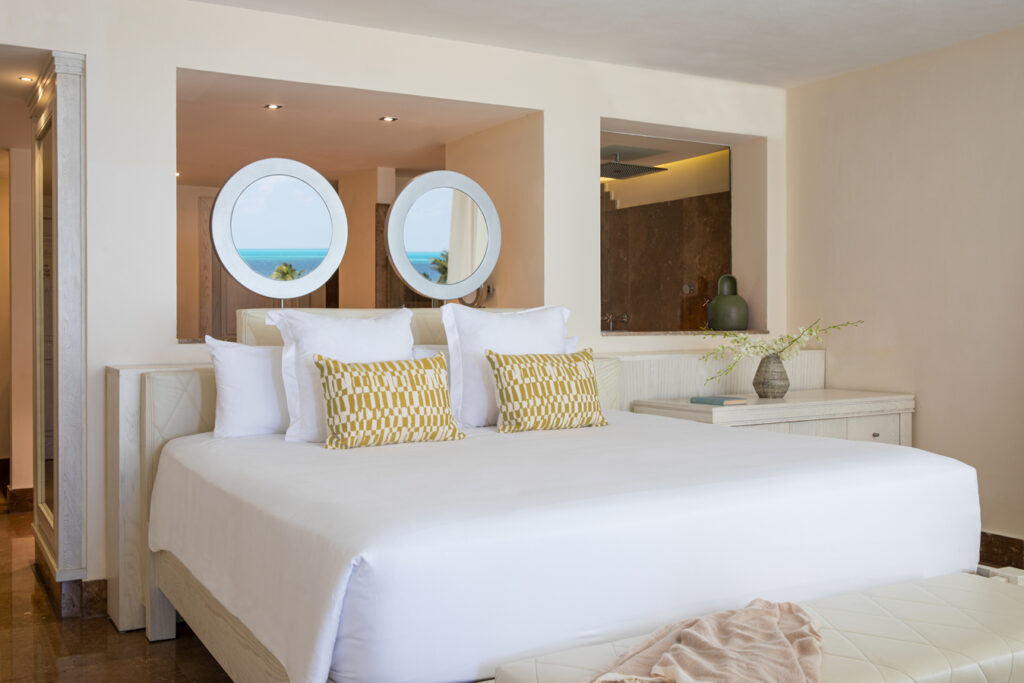
A hotel suite is typically considered a premium accommodation that offers more space and enhanced amenities compared to standard guest rooms. The Merriam-Webster dictionary defines a “suite” as “a group of rooms occupied as a unit,” suggesting that a suite should consist of multiple distinct spaces designed for different purposes. In the context of hotels, a full suite—sometimes labeled as an executive suite, deluxe suite, or signature suite—should ideally include a separate bedroom and living area, divided by a door or a substantial partition. This separation ensures privacy and functionality, allowing guests to use the living area for relaxation, work, or entertaining, while the bedroom serves as a dedicated sleeping space.
The hallmark of a full suite is its layout. For instance, a suite at the Hyatt Regency Zurich Airport exemplifies this standard, featuring a distinct bedroom with a closing door and a spacious living room equipped with a sofa, armchairs, and a coffee table. Such suites often include additional amenities, such as a dining area, a wet bar, or even a kitchenette, depending on the hotel’s target audience and brand positioning. Luxury hotels may elevate suites further by incorporating high-end furnishings, premium bedding, and exclusive perks like access to a club lounge or private concierge services.
However, not all hotels adhere to this definition. Some properties market rooms as suites even if they lack a clear separation between living and sleeping areas. For example, a hotel might label a slightly larger room with a small sitting area as a suite, even if it consists of a single open space. This practice can lead to unmet expectations, as guests anticipating a multi-room accommodation may find themselves in a room that feels more like an upgraded standard room. To avoid disappointment, travelers should carefully review floor plans, photos, and descriptions provided by the hotel, paying close attention to whether the suite includes a physically separated bedroom.
Characteristics of a Junior Suite
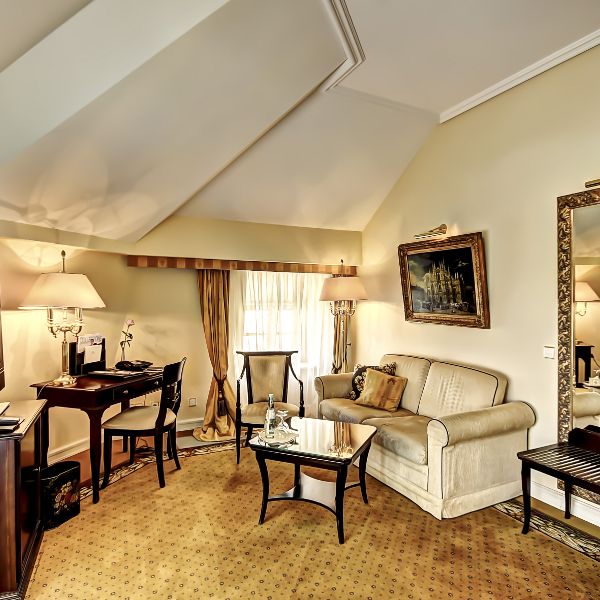
A junior suite occupies a middle ground between a standard room and a full suite. It typically offers more space and a more defined sitting area than a standard room but does not feature the fully separated bedroom characteristic of a full suite. The primary distinguishing feature of a junior suite is its enhanced living space, which should include comfortable seating for multiple people, such as a sofa, armchairs, or a combination of both. This setup allows guests to relax, work, or socialize in a designated area that feels distinct from the sleeping space, even if the separation is minimal.
For example, a junior suite at the Park Hyatt Milan might include a spacious room with a king bed, a sofa, and a coffee table, creating a comfortable sitting area within the same room. Similarly, a junior suite at Marriott’s The Ben in West Palm Beach could feature a couch and a small dining table, offering a functional space for guests to unwind or conduct business. These rooms are designed to provide a step up from standard accommodations, catering to travelers who desire more space and comfort without the higher cost of a full suite.
Despite these expectations, the definition of a junior suite varies widely. Some hotels apply the term loosely, using it to describe rooms with minimal upgrades over standard rooms. For instance, at the Hotel Martinez Cannes, a junior suite might consist of a single room with a chair, an ottoman, and a partial daybed—hardly distinguishable from a standard room in terms of functionality or space. Such discrepancies highlight the importance of researching specific room features before booking. A junior suite should ideally offer a noticeable improvement over a standard room, with a focus on a well-defined sitting area, but travelers should not assume it will include a separate bedroom.
Read More: These Cordless Power Tools Are up to 50% Off During Home Depot’s Fourth of July Sale
Factors Contributing to Naming Inconsistencies
The lack of uniformity in how hotels designate suites and junior suites stems from several factors. First, hotel branding plays a significant role. Luxury chains like Four Seasons, Ritz-Carlton, or St. Regis often reserve the term “suite” for accommodations with distinct living and sleeping areas, while mid-tier or budget brands may use the term more flexibly to market larger rooms. Second, regional differences influence naming conventions. In Europe, where space is often at a premium, a junior suite might be smaller than a standard room in a sprawling resort in the United States or Asia. Third, marketing strategies drive hotels to use aspirational terms like “suite” or “executive” to attract guests, even if the room does not meet traditional expectations.
Square footage is another variable that complicates comparisons. Some hotels include outdoor spaces, such as balconies or terraces, in their reported square footage, while others only account for indoor areas. This discrepancy can make a junior suite at one property appear larger on paper than a full suite at another. Additionally, hotels may prioritize amenities over layout when classifying rooms. A room with premium features like a soaking tub or a high-tech entertainment system might be labeled a suite, even if it lacks multiple rooms.
The absence of industry-wide standards exacerbates these inconsistencies. Unlike airline seating classes, which are somewhat standardized (e.g., economy, business, first), hotel room categories are largely determined by individual properties or brands. As a result, a traveler booking an executive suite at one hotel might receive a luxurious multi-room accommodation, while the same term at another property might describe a single room with a slightly larger footprint.
Practical Considerations for Choosing Between a Suite and a Junior Suite
When deciding between a suite and a junior suite, travelers should consider their specific needs and preferences. A full suite is ideal for those who value privacy, require a separate workspace, or plan to entertain guests. Families or groups traveling together may also benefit from the additional space and distinct areas for sleeping and lounging. For example, a suite with a separate living room can serve as a communal area for families, allowing parents to relax while children sleep in the bedroom.
A junior suite, on the other hand, suits travelers who want more space than a standard room but do not need a fully separated bedroom. Business travelers might appreciate the extra room for working or hosting small meetings, while couples may enjoy the added comfort of a sitting area. However, the value of a junior suite depends heavily on its execution. A poorly designed junior suite with minimal seating or cramped quarters may not justify the price difference over a standard room.
To make an informed decision, travelers should prioritize the following steps:
- Review Room Descriptions and Photos: Hotel websites and booking platforms often provide detailed descriptions and images of room categories. Look for mentions of separate rooms, seating arrangements, and specific amenities like desks or dining tables.
- Check Square Footage: Compare the listed square footage of suites and junior suites, but be mindful of whether outdoor spaces are included. Cross-reference this information with guest reviews to gauge the actual usable space.
- Read Guest Reviews: Platforms like TripAdvisor or Google Reviews can offer insights into whether a suite or junior suite meets expectations. Look for comments about space, layout, and amenities.
- Contact the Hotel Directly: If details are unclear, reach out to the hotel’s reservations team to confirm the layout and features of a specific room category. Ask whether the suite has a separate bedroom or if the junior suite includes a substantial sitting area.
- Consider the Purpose of Your Stay: Evaluate whether you need the extra space for work, relaxation, or family activities. A full suite may be worth the splurge for longer stays, while a junior suite might suffice for shorter trips.
Examples of Suite and Junior Suite Variations
To illustrate the variability in suite and junior suite definitions, consider the following real-world examples:
- Hyatt Regency Zurich Airport (Full Suite): This suite features a separate bedroom with a king bed and a living room with a sofa, armchairs, and a dining table. The door between the two spaces ensures privacy, making it ideal for business travelers or families. Additional amenities, such as a minibar and large windows, enhance the experience.
- Park Hyatt Milan (Junior Suite): The junior suite here offers a spacious open-plan room with a king bed and a sitting area that includes a sofa and a coffee table. While the sleeping and living areas are not fully separated, the generous square footage and high-end furnishings create a luxurious feel.
- Marriott’s The Ben, West Palm Beach (Junior Suite): This junior suite includes a couch, a small dining table, and a king bed in a single room. The sitting area is well-defined, providing a comfortable space for relaxation or work, though it lacks the privacy of a full suite.
- Hotel Martinez Cannes (Junior Suite): Marketed as a junior suite, this room features a chair with an ottoman and a partial daybed, with limited additional space compared to a standard room. The designation feels misleading, as the sitting area is minimal and does not align with typical junior suite expectations.
- Park Hyatt Auckland (King Bed Rooftop Room): Although not labeled as a suite, this room includes a spacious sitting area with a couch and dining table, resembling a junior suite in functionality. This example underscores how room naming can deviate from guest expectations.
These examples highlight the importance of looking beyond room titles and focusing on specific features and layouts when booking.
Strategies for Managing Expectations
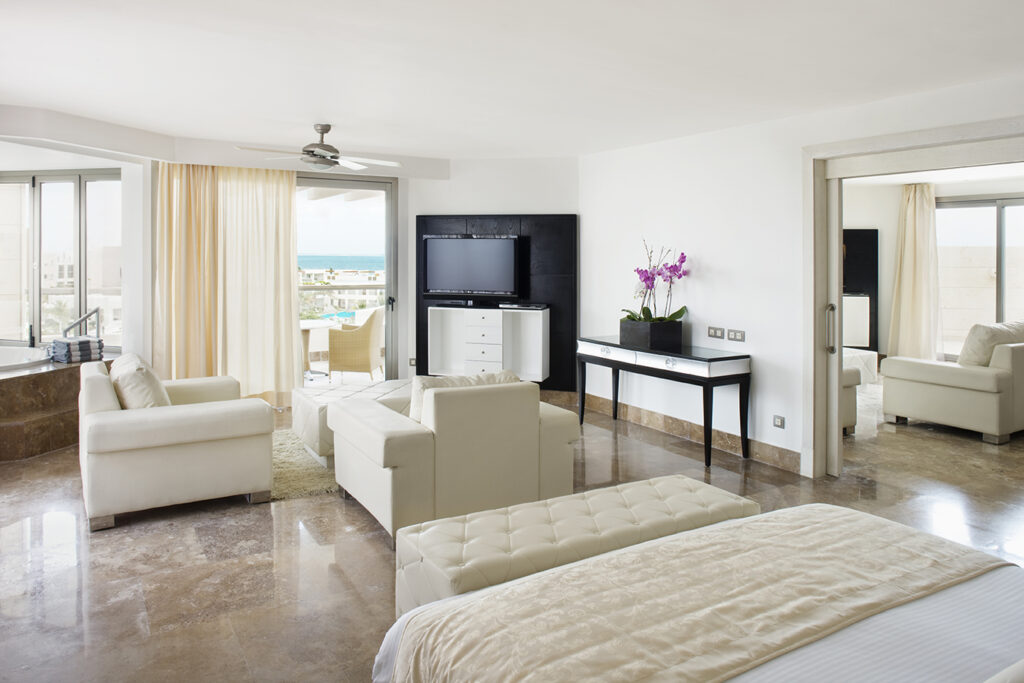
Given the inconsistencies in hotel room naming, travelers can take proactive steps to ensure their accommodations meet their needs. Start by setting realistic expectations. A suite at a budget or mid-tier hotel is unlikely to match the grandeur of a suite at a luxury property. Similarly, a junior suite at an urban hotel with limited space may not offer the same spaciousness as one at a resort.
Leveraging loyalty programs can also enhance the booking experience. Many hotel chains, such as Marriott, Hilton, or Hyatt, offer suite upgrades as a perk for elite members, increasing the chances of securing a full suite at no additional cost. When booking, consider using points or flexible rates that allow for upgrades or cancellations, as this provides more flexibility to adjust plans if a room does not meet expectations.
Finally, technology can aid in decision-making. Virtual tours, 360-degree photos, and user-generated content on platforms like X or Instagram can provide a clearer picture of what a suite or junior suite entails. Searching for posts from guests who have stayed in the specific room category can reveal real-time insights into its quality and suitability.
Frequently Asked Questions
What is the main difference between a hotel suite and a junior suite?
A hotel suite typically features a separate bedroom and living area, often divided by a door or substantial partition, offering privacy and distinct spaces for sleeping and relaxing. A junior suite, in contrast, is usually a single room with a defined sitting area, such as a sofa or armchairs, but lacks a fully separated bedroom. The suite provides more space and functionality, while the junior suite offers an upgrade over a standard room without the full separation.
Do all hotel suites have a separate bedroom?
Ideally, a full suite should include a separate bedroom and living area, as this aligns with the dictionary definition of a suite as a group of rooms. However, some hotels market rooms as suites even if they are a single open space with enhanced amenities or a small sitting area. Always check the hotel’s description, photos, or floor plans to confirm the layout.
What should I expect from a junior suite in terms of amenities?
A junior suite should offer a spacious sitting area with comfortable seating, such as a sofa or multiple chairs, and possibly a small dining table or desk. Amenities may include upgraded bedding, a minibar, or enhanced bathroom features. However, the extent of these amenities varies by hotel, so reviewing specific room details is essential to ensure the junior suite meets your expectations.
Why do hotels use different names for suites, like “executive” or “deluxe”?
Hotels use varied terminology, such as “executive suite,” “deluxe suite,” or “signature suite,” to differentiate their offerings and align with branding or marketing strategies. These names often reflect the level of luxury, size, or additional amenities, but there is no industry standard, leading to inconsistencies. A deluxe suite at one hotel might be smaller than an executive suite at another, so research specific features before booking.
How can I tell if a suite or junior suite is worth the extra cost?
To determine value, consider your needs and the room’s features. A full suite is ideal for those needing privacy, a workspace, or space for entertaining, making it worth the cost for longer stays or families. A junior suite suits travelers wanting more comfort than a standard room without a high price tag. Compare square footage, amenities, and guest reviews, and weigh these against the price difference to assess value.
Are junior suites always larger than standard rooms?
In most cases, junior suites are larger than standard rooms and include a dedicated sitting area. However, some hotels apply the term loosely, offering rooms with minimal space or seating upgrades. For example, a junior suite at a compact urban hotel might only have a chair and ottoman. Always verify the square footage and layout to ensure the room meets your expectations.
Can I rely on a hotel’s square footage to compare suites and junior suites?
Square footage is a helpful metric but can be misleading. Some hotels include outdoor spaces like balconies in their measurements, while others only count indoor areas. Additionally, layout matters more than raw size—a smaller suite with a separate bedroom may feel more functional than a larger junior suite with an open plan. Cross-reference square footage with photos and reviews for accuracy.
How do I avoid booking a suite that doesn’t meet my expectations?
To avoid disappointment, research thoroughly before booking. Review the hotel’s website for detailed descriptions and photos, check floor plans if available, and read guest reviews on platforms like TripAdvisor or X for real-world insights. Contacting the hotel directly to confirm whether a suite has a separate bedroom or if a junior suite includes a substantial sitting area can also clarify expectations.
Do loyalty programs or upgrades affect access to suites or junior suites?
Many hotel loyalty programs, such as those offered by Marriott, Hilton, or Hyatt, provide elite members with opportunities for complimentary upgrades to suites or junior suites, subject to availability. Booking with points or flexible rates can also increase the likelihood of securing a higher room category. Check the terms of your loyalty program to understand upgrade policies and benefits.
Why do some hotels call a room a suite when it’s just a larger single room?
Hotels may use the term “suite” for marketing purposes to make a room sound more luxurious or appealing, even if it lacks multiple rooms. This practice is common in budget or mid-tier properties where space is limited, or to justify higher rates for rooms with minor upgrades like a small sitting area or better views. Travelers should look beyond the name and focus on specific features, such as layout and amenities, to understand what they’re booking.
Conclusion
The distinction between a hotel suite and a junior suite lies primarily in their layout and functionality. A full suite should offer a separate bedroom and living area, providing privacy and versatility for guests. A junior suite, while less expansive, should include a well-defined sitting area that enhances comfort and usability compared to a standard room. However, the hospitality industry’s lack of standardized naming conventions means that these definitions are not universally applied. Travelers must approach booking with diligence, researching room details, square footage, and guest feedback to ensure their expectations align with reality. By understanding the nuances of suites and junior suites and taking proactive steps to verify room features, guests can make informed choices that enhance their travel experience.
