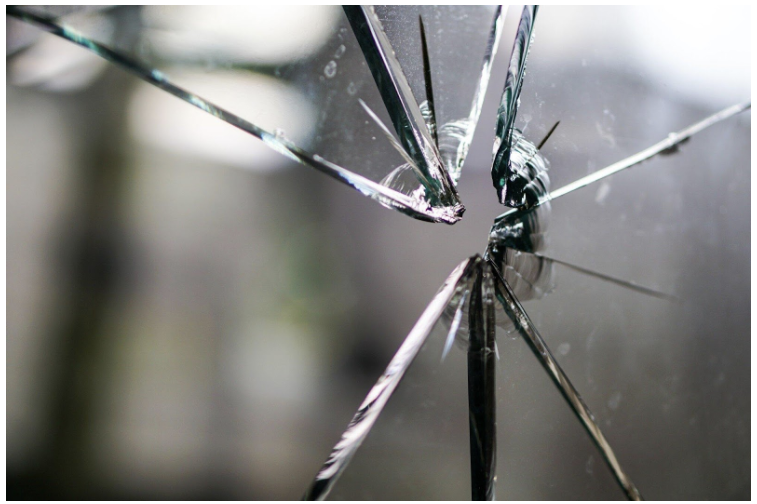
A cracked window can be a frustrating and unexpected problem for homeowners, renters, or anyone managing a property. Whether caused by a stray baseball, a storm, or simple wear and tear, a crack in your window demands attention to prevent drafts, water leaks, or further damage. Ignoring the issue risks escalating repair costs and compromising your home’s safety, energy efficiency, and aesthetic appeal.
Deciding how to address a cracked window involves weighing factors like cost, time, safety, and durability. Temporary fixes might seem appealing for quick results or budget constraints, but they often fall short in the long run. Permanent solutions, while potentially more expensive or time-consuming, offer lasting benefits and peace of mind, ensuring your home remains secure and comfortable.
This article ranks five methods to fix a cracked window, from the least effective to the most reliable. Each approach is evaluated based on affordability, ease of application, durability, and overall effectiveness. Whether you’re looking for a quick DIY solution or a professional-grade repair, this guide provides clear insights to help you make an informed decision tailored to your needs.
Duct Tape Patch: A Quick but Flimsy Fix
Why Duct Tape Seems Appealing
Duct tape is a go-to for many household repairs due to its accessibility and ease of use. Applying it to a cracked window requires minimal effort, making it tempting for those seeking a fast, temporary solution. However, its adhesive properties and durability are not designed for glass surfaces or prolonged exposure to weather.
Limitations of Duct Tape
Duct tape fails to provide a secure or weatherproof seal, allowing air and moisture to seep through. It degrades quickly under sunlight and temperature changes, often peeling off within days. The tape’s appearance is also unsightly, detracting from your home’s curb appeal and signaling a makeshift fix.
When to Avoid This Method
Using duct tape is risky for large cracks or windows in high-traffic areas, as it offers no structural support. It’s unsuitable for long-term use or in climates with extreme weather, where it can worsen the crack by trapping moisture. This method ranks as the worst due to its lack of durability and effectiveness.
Nail Polish Seal: A Creative but Weak Solution
How Nail Polish Works on Cracks
Nail polish can temporarily seal small hairline cracks by filling them with a thin layer of lacquer. This DIY method involves applying clear nail polish over the crack, letting it dry, and repeating for multiple layers. It’s a low-cost option using materials often found at home.
Drawbacks of Nail Polish
- Limited strength: Nail polish cannot hold larger cracks or prevent them from spreading.
- Temporary fix: It wears off quickly, especially under temperature fluctuations or moisture.
- Aesthetic issues: The glossy finish may look uneven or discolored on glass.
- Not weather-resistant: Rain or humidity can break down the polish, reducing effectiveness.
- Time-consuming: Multiple layers and drying time make it impractical for quick repairs.
Best Scenarios for Nail Polish
This method suits tiny, superficial cracks in low-visibility windows, like those in a basement. It’s a stopgap for those delaying professional repairs but offers no long-term protection. Nail polish ranks slightly better than duct tape due to its ability to fill small gaps, but it remains a weak choice.
Read More: How to Quickly Find Your Saved Passwords in Google Chrome
Epoxy Repair: A Stronger Temporary Option
What Epoxy Offers
Epoxy is a two-part adhesive that hardens to form a strong bond, making it a step up from duct tape or nail polish. Applied to a cleaned and dry cracked window, it can stabilize small to medium cracks. Its clear finish blends better with glass, offering a less noticeable repair.
Challenges with Epoxy
Epoxy requires precise mixing and application, which can be tricky for beginners. It’s not a permanent fix, as it may crack under stress or temperature changes. The repair process is also time-sensitive, as epoxy sets quickly, leaving little room for error.
Ideal Use Cases
Epoxy works best for small cracks in non-critical windows, such as those in sheds or garages, where aesthetics matter less. It provides temporary stability but doesn’t match the durability of professional solutions. This method ranks third due to its stronger bond compared to tape or polish.
Window Film Application: A Practical Cover-Up
How Window Film Helps
Window film is a clear, adhesive plastic sheet applied over a cracked window to hold glass together and prevent further damage. It’s relatively easy to install and can be cut to fit any window size. The film also adds a layer of insulation, improving energy efficiency.
Pros and Cons of Window Film
- Easy to apply: Requires minimal tools and skills for installation.
- Temporary solution: Holds cracks but doesn’t repair them structurally.
- Cost-effective: More affordable than full window replacement.
- Weather resistance: Offers some protection against moisture and UV rays.
- Visible seams: May not look seamless, affecting window clarity.
When to Use Window Film
Window film suits medium-sized cracks in residential windows where immediate replacement isn’t feasible. It’s ideal for renters or those on a budget, providing a functional, temporary barrier. Ranking fourth, it offers better protection than epoxy but falls short of addressing the root issue.
Glass Replacement Pane: A Near-Perfect Solution
Why Replace the Glass Pane
Replacing just the glass pane in a cracked window involves removing the damaged glass and installing a new one within the existing frame. This method restores the window’s functionality and appearance without replacing the entire unit, making it cost-effective for many homeowners.
Benefits of Glass Replacement
- Professional results: Restores clarity and strength to the window.
- Energy efficiency: New glass can improve insulation, reducing energy costs.
- Customizable: Allows for upgrades like tempered or low-E glass.
- Faster than full replacement: Typically completed in a few hours.
- Long-lasting: Provides a durable fix if installed correctly.
Considerations for This Approach
Replacing a glass pane requires professional skills to ensure a proper fit and seal. It’s more expensive than temporary fixes but cheaper than a full window replacement. This method ranks second for its balance of cost, durability, and aesthetics, though it may not suit all window types.
Full Window Replacement: The Ultimate Fix
Why Full Replacement Stands Out
Replacing the entire window unit, including the frame, is the most comprehensive solution for a cracked window. This method addresses not only the crack but also any underlying frame damage or inefficiencies. It’s ideal for severe cracks or outdated windows needing an upgrade.
Advantages of Full Replacement
Full window replacement offers unmatched durability, energy efficiency, and aesthetic appeal. Modern windows come with advanced features like double glazing or UV protection, enhancing home comfort. Professional installation ensures a perfect fit, preventing future issues like leaks or drafts.
When to Choose This Option
This approach is best for large cracks, multiple damaged windows, or homes undergoing renovations. While it’s the most expensive option, it provides long-term value and peace of mind. Ranking first, full window replacement is the gold standard for fixing a cracked window effectively.
FAQs
How do I know if my window needs repair or replacement? Assess the crack’s size and location. Small hairline cracks may only need repair, while large or spreading cracks often require replacement. Consult a professional for an accurate evaluation.
Can I fix a cracked window myself? Minor cracks can be addressed with DIY methods like nail polish or epoxy, but larger cracks or replacements require professional expertise to ensure safety and durability.
How much does it cost to fix a cracked window? Costs vary by method. Temporary fixes like tape or film cost $10–$50, while glass replacement ranges from $100–$500, and full window replacement can exceed $1,000.
Is a cracked window dangerous? Yes, cracks weaken glass, posing risks of shattering or injury. They can also allow drafts and water leaks, increasing energy costs and causing further damage.
How long do temporary fixes last? Temporary fixes like duct tape, nail polish, or window film last from days to months, depending on weather exposure and crack size, but they’re not permanent solutions.
Conclusion
Choosing the right method to fix a cracked window depends on your budget, time, and the crack’s severity. Temporary fixes like duct tape or nail polish offer quick relief but lack durability, while epoxy and window film provide stronger interim solutions. Replacing the glass pane or the entire window ensures lasting results, with full replacement being the most reliable. Evaluate your needs and consult professionals for optimal outcomes, keeping your home safe and energy-efficient.
