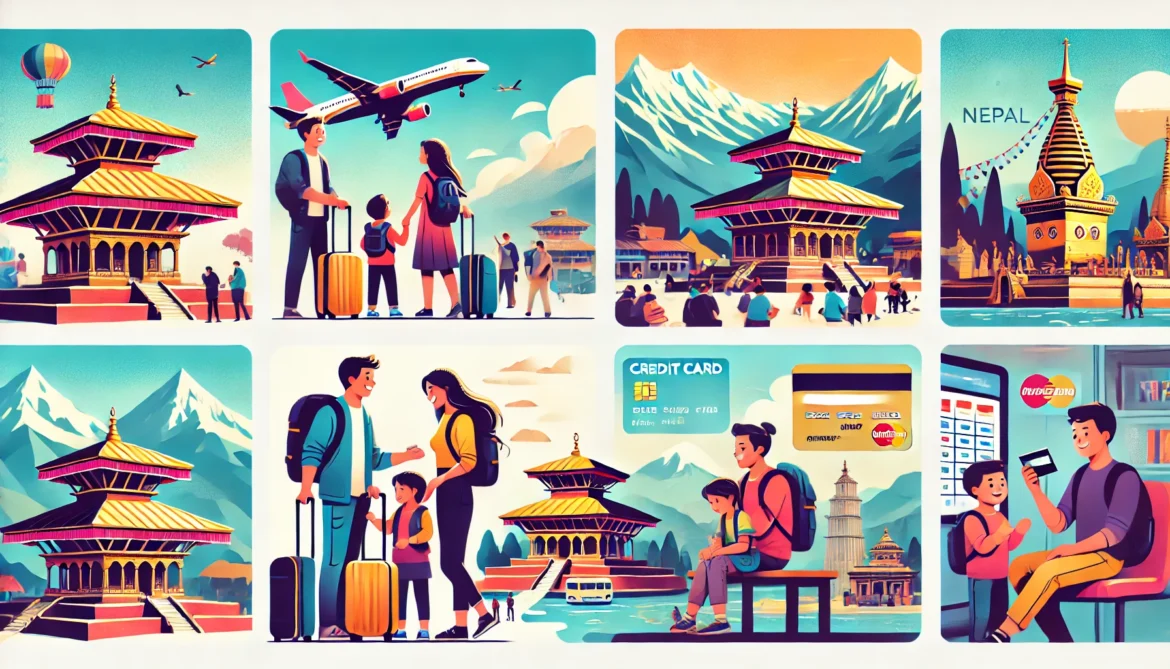
Imagine standing at the foot of the majestic Himalayas, the crisp mountain air filling your lungs as your family gathers around, eyes wide with wonder. This isn’t just a dream; it’s the adventure that awaits you next month in Nepal. Planning your first international trip, especially with a large family, can be both exhilarating and daunting. But fear not! This guide will walk you through every step, from booking the best flights and accommodations to navigating financial transactions seamlessly.
Finding the Best Flight Deals for Your Family
Embarking on your first flight journey is a milestone, and ensuring it’s comfortable and affordable is paramount.
Researching Flight Options
Start by exploring various airlines that operate between Pakistan and Nepal. Airlines often release promotional fares, so it’s beneficial to monitor multiple carriers.
Booking Platforms
Utilize reputable booking platforms to compare prices and find the best deals. Websites like Skyscanner, Kayak, and Expedia allow you to compare multiple airlines and offer competitive prices.
Group Bookings
Given your family size of 7-8 members, consider group bookings. Many airlines offer discounts for large groups, which can lead to significant savings.
Timing Your Purchase
Airfare prices fluctuate based on demand and timing. Booking your tickets well in advance can often secure better rates. Additionally, mid-week flights are sometimes cheaper than weekend departures.
Selecting Comfortable and Affordable Accommodations
Nepal offers a range of accommodations to suit various budgets and preferences.
Hotel Options
In major cities like Kathmandu and Pokhara, you’ll find numerous hotels catering to families. Some renowned options include:
- Hotel Yak & Yeti: A luxury hotel in Kathmandu offering family suites and modern amenities.
- Temple Tree Resort & Spa: Located in Pokhara, this resort provides a serene environment with family-friendly facilities.
Alternative Accommodations
Consider vacation rentals or guesthouses, which can offer more space and a homely atmosphere. Platforms like Airbnb have listings suitable for large families.
Booking Tips
- Read Reviews: Platforms like TripAdvisor provide insights from other travelers, helping you make informed decisions.
- Check Amenities: Ensure the accommodation offers facilities like extra beds, kitchenettes, or proximity to tourist attractions, aligning with your family’s needs.
Navigating Financial Transactions in Nepal
Understanding how to manage your finances abroad ensures a hassle-free experience.
Currency in Nepal
Nepal’s official currency is the Nepalese Rupee (NPR). While major establishments accept cards, cash remains king in many parts, especially in remote areas.
Using Your Cards in Nepal
Given your extensive collection of credit and debit cards, it’s essential to know which ones will serve you best.
Credit Cards
Your Visa credit cards, such as:
- HDFC Millennia
- ICICI Amazon Pay
- ICICI HPCL Coral
- One Card (BOB Visa)
- IDFC First Select
- Axis My Zone
- BOB Premier
- AU Xcite Ultra
- IndusInd Legend
- HSBC Smart Value
are widely accepted in Nepal, especially in urban centers. However, always inform your bank about your travel plans to prevent any disruptions.
Debit Cards
Your ICICI Debit Card (Mastercard) will be useful for ATM withdrawals. While Canara Rupay cards have limited acceptance internationally, Nepal is an exception. Nepal SBI Bank and Nepal Rastra Bank have enabled the RuPay payment network in 14,000 POS machines across Nepal, allowing transactions with your RuPay card.
ATM Withdrawals
ATMs are prevalent in cities like Kathmandu and Pokhara. However, be mindful of:
- Withdrawal Limits: Typically ranging from NPR 10,000 to NPR 35,000 per transaction.
- Fees: Local ATMs may charge fees between NPR 500 to NPR 800 per withdrawal. Your home bank might also impose additional charges.
To minimize costs:
- Withdraw Larger Amounts: This reduces the frequency of fees.
- Choose ATMs Wisely: Banks like Standard Chartered and Nabil Bank are known for reliability and may offer higher withdrawal limits.
Forex Cards: A Viable Alternative
If you prefer not to carry significant cash or rely solely on your existing cards, a forex card can be advantageous.
Benefits of Forex Cards
- Locked-in Exchange Rates: Protects against currency fluctuations.
- Reduced Fees: Typically lower than regular debit or credit card foreign transaction fees.
- Security: Can be easily blocked and replaced if lost.
Recommended Forex Cards
- Wise Multi-Currency Card: Offers competitive exchange rates and low fees. It’s widely accepted and allows transactions in multiple currencies, including NPR.
- Niyo Global Card: Known for zero forex markup and ease of use.
Before obtaining a forex card:
- Check Fees: Be aware of issuance fees, reload charges, and ATM withdrawal fees.
- Ensure Acceptance: Confirm that the card is accepted in Nepalese ATMs and POS machines.
Currency Exchange: INR to NPR
Exchanging your Indian Rupees (INR) to Nepalese Rupees (NPR) can be done through:
- Authorized Money Changers: Found in tourist areas like Thamel in Kathmandu. They offer competitive rates.
- Banks: Institutions like Standard Chartered and Nabil Bank provide currency exchange services. Remember to carry your passport for identification.
Avoid exchanging money at airports due to unfavorable rates and higher fees.
Additional Tips for a Smooth Financial Experience
- Notify Your Banks: Inform them about your travel dates to prevent card blocks.
- Carry Sufficient Cash: Especially when traveling to remote areas where ATMs are scarce.
- Keep Emergency Funds: In USD or other major currencies as a backup.
- Avoid Large INR Notes: Indian Rs 500 and Rs 2000 notes are not accepted in Nepal.
Embarking on this journey is a significant step, and being well-prepared will ensure it’s memorable for all the right reasons. Embrace the adventure, immerse yourself in Nepal’s rich culture, and rest assured that with the right planning, your family’s trip will be both enjoyable and hassle-free.
Frequently Asked Questions
What is the best time to visit Nepal with family?
The best time to visit Nepal with family is during spring (March-May) and autumn (September-November) when the weather is pleasant, and the skies are clear. These seasons are ideal for sightseeing, trekking, and cultural experiences.
Which airlines offer the best flights to Nepal for families?
Several international airlines fly to Tribhuvan International Airport (TIA) in Kathmandu, including Qatar Airways, Emirates, Turkish Airlines, Air India, and Nepal Airlines. It’s advisable to compare ticket prices and check baggage policies for family-friendly options.
What are the best family-friendly accommodations in Nepal?
Nepal offers a range of family-friendly hotels, resorts, and homestays in major cities like Kathmandu, Pokhara, and Chitwan. Some top choices include Hyatt Regency Kathmandu, Temple Tree Resort & Spa, and Barahi Jungle Lodge for comfortable stays with kid-friendly amenities.
Can I use international credit/debit cards in Nepal?
Yes, major international credit and debit cards like Visa, Mastercard, and American Express are accepted at hotels, restaurants, and shopping centers in Kathmandu and Pokhara. However, it’s recommended to carry some cash (Nepalese Rupees) for local markets and remote areas where card usage may be limited.
What are the must-visit places in Nepal for families?
For a memorable family adventure, visit:
- Kathmandu – Explore temples and cultural heritage sites.
- Pokhara – Enjoy lakes, adventure sports, and stunning Himalayan views.
- Chitwan National Park – Experience wildlife safaris and jungle adventures.
- Nagarkot – Witness breathtaking sunrise and mountain views.
Conclusion
Embarking on a family adventure to Nepal is an exciting and enriching experience, offering breathtaking landscapes, vibrant culture, and warm hospitality. By planning your flights strategically, choosing the right accommodations, and maximizing your credit card benefits, you can ensure a smooth and budget-friendly trip.
From booking flights early for the best deals to selecting family-friendly hotels and leveraging Amex Gold or other travel cards for rewards and perks, every step can enhance your travel experience. Additionally, understanding local card usage policies and keeping some cash on hand ensures hassle-free transactions.
