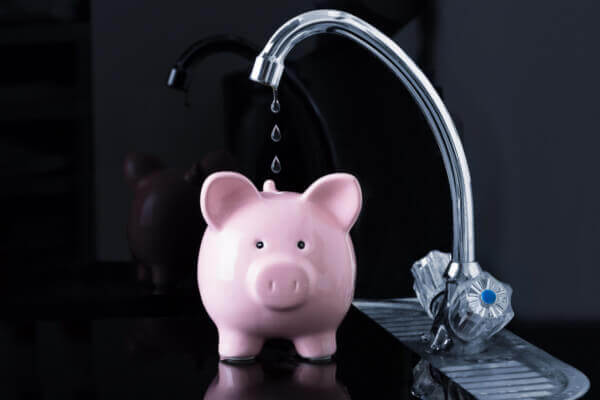
Water bills, often overlooked as a fixed expense, present significant opportunities for savings. Many assume they’re stuck with rising costs since switching water providers isn’t an option, but strategic choices like installing a water meter or accessing social tariffs can slash hundreds of pounds off annual bills. This guide explores the intricacies of water billing in England, Wales, Scotland, and Northern Ireland, detailing price changes, cost-saving strategies, available support, and practical tips to reduce usage. With water costs climbing, understanding your options is crucial to keeping expenses in check.
Rising Water Bills: What’s Happening?
Water companies adjust their rates annually, and recent announcements from Ofwat, the water regulator for England and Wales, confirm significant increases. From April 2025, households in England and Wales face an average 26% rise in water and sewerage bills, adding approximately £123 to the typical annual bill. However, the impact varies by region and provider. For instance, Southern Water customers will see a steep 47% hike, while SES Water bills are expected to decrease by 2%.
In Scotland, water charges, tied to council tax bands, will rise by 9.9% across all households from April 2025. This means a Band A household will pay around £400 annually. Northern Ireland, uniquely, has no domestic water charges, so households there face no direct water bills.
Your exact bill depends on factors like whether you’re metered, your household size, and your water company’s pricing structure. Regional variations are significant, with some providers splitting water and sewerage services, meaning you might receive two separate bills. Understanding these differences is key to managing costs effectively.
Read More: The Ultimate List of Apps & Sites That Accept Amazon Pay Balance Other Than Amazon
Billing Systems: Metered vs. Unmetered
In England and Wales, households are billed in one of two ways:
- Unmetered Billing: Based on your home’s rateable value, a fixed amount tied to property size. This method estimates usage, so you pay the same regardless of how much water you use.
- Metered Billing: A water meter tracks actual usage, meaning you pay only for what you consume. Since 1990, all new homes in England and Wales have been fitted with meters, and existing households can request a free meter installation.
In Scotland, bills are calculated based on council tax bands and bundled into a combined service charge with other utilities. Northern Ireland residents don’t pay domestic water charges, so metering isn’t relevant there.
Should You Get a Water Meter?
Deciding whether to install a water meter is a critical choice for households in England and Wales. A useful rule of thumb, popularized by money-saving expert Martin Lewis, is: If your home has more bedrooms than people, or the same number, a meter is likely to save you money. This is because larger homes often have higher rateable values, leading to inflated unmetered bills, even for low-usage households.
In Scotland, installing a water meter isn’t free and can be costly, making it less practical unless you live alone in a large property. Northern Ireland households don’t need meters due to the absence of domestic water charges.
How Much Can You Save?
Savings vary based on usage and your water provider. For example, a single occupant in a large home could save significantly by switching to a meter, as demonstrated by Marie, who reduced her annual bill from £1,600 to £250—a saving of over £1,000—without changing her water habits. Most providers allow a two-year trial period for meters, during which you can revert to unmetered billing if it doesn’t save money.
To estimate potential savings, use the Consumer Council for Water’s free water meter calculator. Input details like household size, shower frequency, and dishwasher use to compare metered and unmetered costs. Alternatively, contact your water company for a tailored assessment. If a meter isn’t feasible due to practical constraints (e.g., shared pipes in flats), request an assessed charge bill, which estimates usage based on household characteristics like the number of occupants or bedrooms. Jake, for instance, saved nearly £200 annually by switching to an assessed charge after Thames Water couldn’t install a meter.
Social Tariffs: Support for Low-Income Households
If you’re on a low income (typically up to £26,000 annually), social tariffs can drastically reduce your water bill, whether you’re metered or not. These schemes, offered by all water companies, can cut bills by up to 90% by capping or discounting charges. Eligibility often depends on income, benefits, or household composition, with around 1.6 million eligible households currently missing out on an average saving of £160 per year.
For example, Jacqui, a single occupant, reduced her bill from £910.40 to £74.40 annually (£6.20 monthly) after applying for a social tariff through her provider’s website. To apply, contact your water company, which will assess your income and circumstances. Common eligibility criteria include:
- Affinity Water (Lift): Caps bills at £143.40 (or £95.80 with council tax reduction) for incomes below £19,995 or specific benefits.
- Southern Water (Essentials Tariff): Reduces bills by 45%–90% for incomes under £22,020 or Pension Credit recipients.
- Severn Trent Water (Big Difference): Offers up to 70% off for incomes below £23,492.
Check your provider’s specific scheme, as criteria and discounts vary. Some require your water bill to exceed a percentage of your income (e.g., 5% after housing costs).
The WaterSure Scheme: Capped Bills for Specific Needs
The WaterSure scheme, available across all water companies in England and Wales, caps bills for metered households meeting specific criteria. To qualify, you or someone in your household must:
- Receive an eligible benefit (e.g., Universal Credit, Pension Credit, or Child Tax Credit).
- Have three or more children under 19 in full-time education or a medical condition requiring high water usage (e.g., dialysis or skin conditions).
If approved, your bill is capped at your provider’s average household cost, regardless of actual usage. Contact your water company for an application form to apply.
Additional Support for Struggling Households
If you don’t qualify for social tariffs or WaterSure, water companies offer other support for those in financial difficulty:
- Repayment Plans: Most providers offer plans where they match your payments to reduce debt. For example, paying £1 monthly might prompt the company to contribute £1 (or even £2 after six months) toward your arrears.
- Charity Grants: Companies like Dŵr Cymru, Thames Water, and United Utilities run assistance funds to clear water debt for customers in genuine need. Some even help with other debts, like energy or council tax bills. Applications are assessed case-by-case, and Citizens Advice can assist with the process.
- Priority Services Register: Vulnerable customers (e.g., elderly, disabled, or those with medical needs) can join this register for tailored support, such as bill adjustments or priority repairs.
Free Water-Saving Gadgets
Reducing water usage benefits both your wallet and the environment. Many water companies, in partnership with Save Water Save Money, offer free water-saving devices, with over 700,000 available across England, Wales, Scotland, and Northern Ireland. These include:
- Shower Heads: Regulate water flow, saving up to £30 annually on water (if metered) and £30 on gas bills for a family of four.
- Tap Inserts: Reduce flow, typically worth £5.
- Shower Timers: Encourage shorter showers, usually £2.50.
- Cistern Bags: Reduce toilet flush volume, around £2.
- Garden Hose Nozzles: Control garden watering, worth £2.50.
Availability depends on your provider and stock levels. For example, South East Water customers can order directly via Save Water Save Money’s website, while others like Bristol Water or United Utilities require using their savings calculator. Thames Water no longer offers freebies, so customers must purchase their own or rely on behavioral changes.
Additionally, some companies provide subsidized water butts for rainwater collection, ideal for gardening. The Energy Saving Trust notes that these gadgets not only cut bills but also reduce environmental impact by lowering energy use for water treatment and pumping.
Sewerage Rebates and Sub-Meters
Water companies assume 90%–95% of water used returns to the sewer, but this isn’t always accurate. If you use significant water outdoors (e.g., for gardening, pools, or soakaways) that doesn’t enter the sewer, you may qualify for a rebate. Some providers, like Anglian or South West Water, allow sub-meters on external taps to track non-sewer-bound water, adjusting your bill accordingly. You’ll need to pay for sub-meter installation and provide regular readings.
If you’re denied a rebate, contact the Consumer Council for Water for assistance, especially if you believe your provider should have known your circumstances (e.g., if neighbors receive similar rebates).
Compensation for Service Failures
Under the Guaranteed Standards Scheme (GSS), water companies must compensate customers for service failures, such as low pressure, missed appointments, or supply interruptions. In England, compensation starts at £40 per incident (increased from £20 in July 2025). For drought-related restrictions preventing essential tasks (e.g., drinking, cooking, or flushing), you’re entitled to £10 daily, up to your provider’s average annual bill.
If compensation isn’t offered automatically, claim within three months by contacting your water or wastewater provider. If refused, escalate to the Consumer Council for Water or Ofwat for resolution.
Practical Tips to Reduce Water Usage
For metered households, cutting water use directly lowers bills. Even unmetered households benefit by reducing energy costs and environmental impact. The average person uses 150 liters daily—far more than the 20 liters used by previous generations. Here are practical tips to save water:
- Showering: Use water-efficient shower heads and limit showers to 4–5 minutes.
- Toilets: Adopt the mantra, “If it’s yellow, let it mellow; if it’s brown, flush it down,” to reduce flushes, especially at night. Install cistern bags for efficiency.
- Taps: Turn off taps while brushing teeth or washing dishes. Fit tap inserts to reduce flow.
- Gardening: Use water butts for rainwater collection and avoid hosepipes where possible.
- Appliances: Run dishwashers and washing machines only when full, and choose water-efficient models.
The Energy Saving Trust estimates that these changes can significantly cut water and energy bills while reducing your carbon footprint.
Staying Proactive with Your Water Bills
Water bills may seem like a fixed cost, but proactive steps can yield substantial savings. Use tools like the Consumer Council for Water’s calculator to assess meter viability, apply for social tariffs or WaterSure if eligible, and request free water-saving gadgets. Regularly check your bill for accuracy, especially if metered, to ensure it reflects actual usage.
For the latest updates and tips, subscribe to MoneySavingExpert’s free weekly email or download their app, available on the Apple App Store and Google Play. These resources provide alerts on bill-saving opportunities and practical advice to keep costs down.
Frequently Asked Questions
Why are water bills increasing in 2025?
Water bills in England and Wales are rising by an average of 26% from April 2025, as announced by regulator Ofwat, due to adjustments in water and sewerage charges. In Scotland, bills will increase by 9.9%, tied to council tax bands. The exact increase depends on your provider, region, and whether you’re metered, with some areas like Southern Water facing up to 47% hikes.
Should I get a water meter to save money?
If you live in England or Wales and your home has more bedrooms than people (or the same number), a water meter is likely to reduce your bill, as you’ll pay only for what you use. Use the Consumer Council for Water’s free calculator to estimate savings. You can trial a meter for up to two years and revert to unmetered billing if it doesn’t save money.
What is the WaterSure scheme, and who qualifies?
WaterSure is a national scheme in England and Wales that caps metered bills for eligible households. To qualify, you must receive specific benefits (e.g., Universal Credit or Pension Credit) and either have three or more children under 19 in full-time education or a medical condition requiring high water usage. Contact your water company to apply.
How can low-income households reduce their water bills?
Low-income households (typically earning up to £26,000 annually) can apply for social tariffs, which can cut bills by up to 90%. Eligibility varies by provider but often includes receiving benefits or having a high bill relative to income. Contact your water company to assess your circumstances and apply for discounts.
What free water-saving gadgets are available?
Many water companies offer free devices like efficient shower heads, tap inserts, shower timers, cistern bags, and hose nozzles through Save Water Save Money. Availability depends on your provider and stock. These can save up to £30 annually on water (if metered) and £30 on gas bills for a family of four, per the Energy Saving Trust.
Conclusion
Water bills are rising, but you’re not powerless. Whether through a water meter, social tariffs, or simple usage reductions, households can save hundreds annually. Explore your provider’s support options, leverage free tools, and adopt water-saving habits to minimize costs and environmental impact. By staying informed and proactive, you can ensure your water bill doesn’t drain your finances, keeping more money in your pocket for the things that matter.
