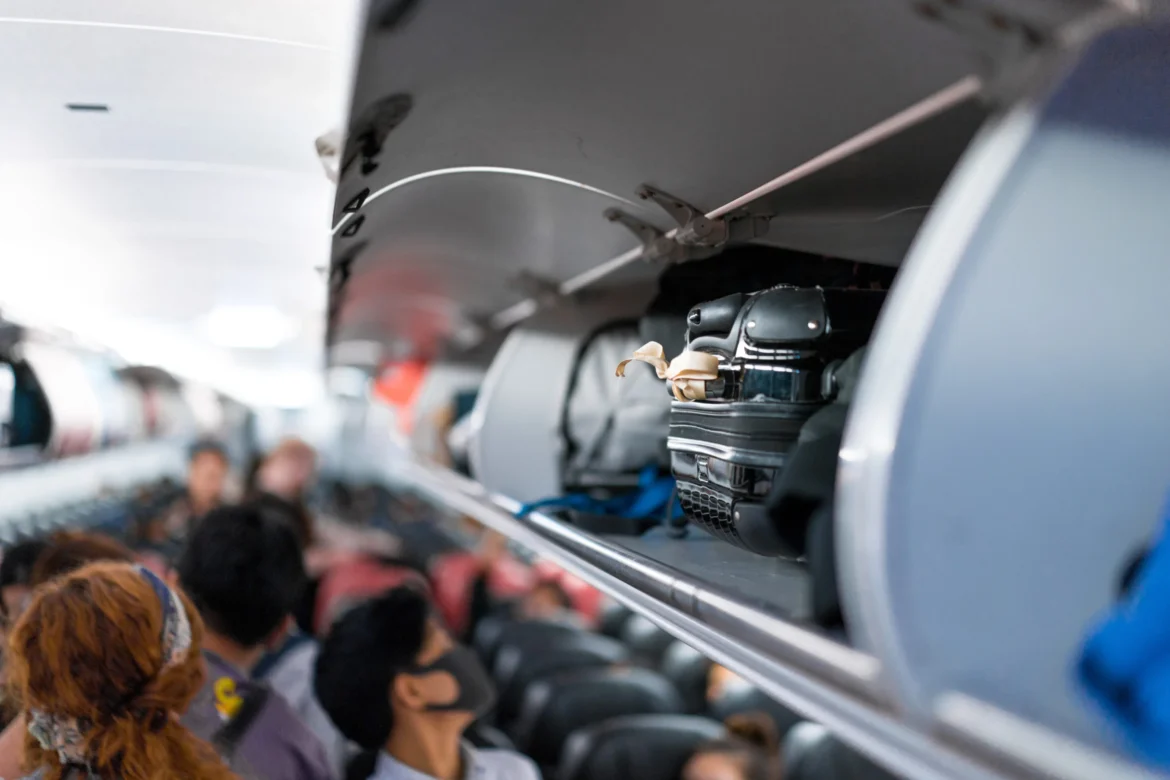
Traveling with just a carry-on can save time, money, and hassle. However, not all Airlines follow the same rules when it comes to size and weight restrictions. While many U.S. carriers allow bags up to 22 x 14 x 9 inches, this standard isn’t universal. International carriers often impose stricter guidelines, and budget airlines may charge additional fees or enforce lower limits.
Understanding the carry-on policies for each airline is essential to avoid last-minute surprises, unexpected fees, or the inconvenience of checking your bag at the gate. This guide provides an in-depth breakdown of size and weight limits for carry-on luggage and personal items across top airlines around the world.
Understanding Airline Carry-On Rules
Standard vs. Personal Item
Airlines typically allow two types of onboard baggage:
- Carry-on bag: Stored in the overhead bin; larger in size.
- Personal item: Fits under the seat; includes backpacks, handbags, and laptop bags.
Both have specific size and weight restrictions, and exceeding them can result in additional charges or the need to check the bag.
Why Size and Weight Matter
Airlines impose restrictions for safety, storage capacity, and turnaround efficiency. Bags must fit within standardized bins or under-seat compartments. Overweight bags can pose handling risks and complicate boarding procedures, especially on smaller aircraft or fully booked flights.
Average Carry-On Dimensions for U.S. Airlines
Most major U.S. airlines follow a similar carry-on size standard. The most widely accepted maximum is:
- 22 x 14 x 9 inches (including wheels and handles)
- Total linear dimensions = 45 inches
This includes carriers such as:
- American Airlines
- Delta Air Lines
- United Airlines
- Alaska Airlines
- JetBlue Airways
However, low-cost carriers like Spirit and Frontier have slightly larger limits but may charge for overhead bin access depending on the fare type.
International Airlines: More Variation in Limits
Stricter Size and Weight Limits
International carriers, especially those based in Asia and Europe, tend to be stricter with both size and weight. Many allow smaller bags and enforce specific weight limits ranging from 7 to 10 kg (15–22 pounds), often lower in economy class.
For example:
- Air China: 22 x 16 x 8 inches; 5 kg (11 lbs)
- Qatar Airways: 20 x 15 x 10 inches; 7 kg (15 lbs)
- Singapore Airlines: Max 115 cm linear; 7 kg (15.4 lbs)
First and business class passengers may be allowed one or two carry-ons, and the total permitted weight can range up to 14–20 kg.
Key Differences by Travel Class
Economy Class
Most restrictive rules apply in this class. Passengers are usually allowed:
- 1 standard carry-on
- 1 personal item
- Total weight: 7–10 kg
Premium Economy
Similar to economy in size limits, but some airlines may allow:
- Slightly more weight
- Additional carry-on bag
Business and First Class
These classes typically allow:
- 2 carry-on bags
- Total combined weight up to 14–18 kg
- Generous personal item limits
Airlines like Emirates and Cathay Pacific provide additional perks, including priority storage and separate overhead bins.
Carry-On Size Chart for Major Airlines
Below is a reference chart showing carry-on size and weight limits for top airlines. Use this to check your eligibility and pack accordingly:
| Airline | Max Size (inches) | Max Weight | Personal Item Size | Notes |
|---|---|---|---|---|
| American Airlines | 22 x 14 x 9 | Not Specified | 18 x 14 x 8 | Personal item fits under seat |
| United Airlines | 22 x 14 x 9 | Not Specified | 17 x 10 x 9 | Basic Economy may have restrictions |
| Delta Air Lines | 22 x 14 x 9 | Route Dependent | Unspecified | Flexible with weight |
| British Airways | 22 x 18 x 10 | 23 kg (51 lbs) | 16 x 12 x 6 | One of the most generous |
| Lufthansa | 21.6 x 15.7 x 9 | 8 kg (17.6 lbs) | 15.7 x 11.8 x 3.9 | 2 bags allowed in Business/First |
| Qatar Airways | 20 x 15 x 10 | 7 kg (15 lbs) | Unspecified | First/Business: 2 bags total 15 kg |
| Emirates | 22 x 15 x 8 | 7 kg (15 lbs) | Additional 7 kg for Business/First | Strict enforcement |
| Air France | 21.7 x 13.8 x 9.9 | 12–18 kg | 16 x 12 x 6 | Depends on cabin |
| ANA (Japan) | 22 x 16 x 10 | 10 kg (22 lbs) | Unspecified | High precision checks |
| Air India | 22 x 14 x 10 | 8 kg (Economy), 12 kg (Business) | Linear limit 45 inches |
What Counts as a Personal Item?
A personal item is typically smaller than a carry-on bag and should fit under the seat in front of you. Acceptable personal items include:
- Laptop bags
- Handbags or purses
- Small backpacks
- Briefcases
- Camera bags
- Diaper bags
Some airlines have strict size limits for these items, such as 15.7 x 11.8 x 5.9 inches, while others simply require that they fit under the seat.
Fare Types and Carry-On Entitlements
Basic Economy or Hand-Baggage Only
These are the most restricted fare types:
- May not include overhead bin access
- Some allow personal items only
- Upgrades or add-ons may be required for a full carry-on
Airlines like JetBlue, United, and Norwegian have separate fare tiers with these limitations.
Premium and Flexible Fares
Higher-tier fares usually offer:
- Free carry-on and personal item
- Priority boarding
- More generous weight allowances
Understanding your fare class before you travel ensures you bring the correct bag and avoid excess charges.
Strategies to Avoid Baggage Fees
Travel with Only a Personal Item
Choose a large personal item that maximizes the allowed dimensions. Travel backpacks or underseat bags with multiple compartments can fit all your essentials.
Invest in an Airline-Approved Bag
Look for bags specifically designed to meet carry-on restrictions:
- Hardshell or softside
- Expandable features (for post-boarding expansion)
- External USB chargers (battery must be removable)
Use Packing Cubes and Compression Bags
Organizing your belongings efficiently can help avoid overpacking. Compression bags allow more volume within size limits.
Weigh Your Bag Beforehand
Bring a travel scale to check the weight. Many airports enforce strict weight rules, especially on international and budget airlines.
Carry-On Restrictions: What Not to Pack
TSA and other aviation security agencies enforce strict rules regarding what can and cannot be brought in your carry-on:
Prohibited Items
- Liquids over 3.4 oz (100 ml) unless medically necessary
- Sharp items (knives, scissors, razor blades)
- Firearms or ammunition
- Sports gear (bats, clubs, sticks)
- Flammable substances (lighters, matches)
- Tools like hammers or screwdrivers
Allowed Items
- Toiletries under 100 ml per container, inside a 1-quart bag
- Electronic devices: phones, tablets, laptops
- Power banks (must be in carry-on, not checked luggage)
- Baby formula or medication (subject to screening)
Can a 24-Inch Suitcase Be a Carry-On?
In most cases, no. A 24-inch bag exceeds the 22-inch limit most airlines enforce for carry-on luggage. Some exceptions exist with linear dimension rules (e.g., 45–46 total inches), but it’s risky to rely on them.
To avoid last-minute checking or fees, stick with bags that:
- Are 22 inches or less in height
- Have a combined dimension of no more than 45 inches
- Weigh under 15–22 pounds, depending on your airline
Tech and Power Guidelines
Charging Equipment
Most airlines allow you to bring:
- Phone and laptop chargers
- USB cables and wall adapters
- Travel converters
Power Banks and Batteries
Power banks with lithium-ion batteries must be carried in hand luggage. Airlines typically allow:
- Batteries rated under 100 Wh without approval
- Up to 2 batteries (100–160 Wh) with airline permission
Top Tips for Carry-On Travel Success
Check Airline Policy Before Booking
Each airline’s website provides the most accurate and updated information.
Board Early
Space in overhead bins is limited. Early boarding increases your chances of finding space.
Use Smart Packing Techniques
Roll clothing, use packing cubes, and avoid heavy or unnecessary items.
Upgrade Wisely
Sometimes, purchasing a higher fare or airline credit card can waive baggage fees and allow priority boarding.
Stay Within Limits
Use a measuring tape and luggage scale before heading to the airport.
Conclusion
Navigating carry-on luggage policies can be challenging, especially when traveling with multiple airlines or flying internationally. While 22 x 14 x 9 inches is the safest general guideline, it’s always best to check the specific rules of your airline before you pack.
Being informed and prepared ensures a smoother journey, avoids surprise fees, and makes boarding more efficient. Whether you’re a frequent flyer or an occasional traveler, mastering carry-on luggage rules will make every trip more enjoyable.
