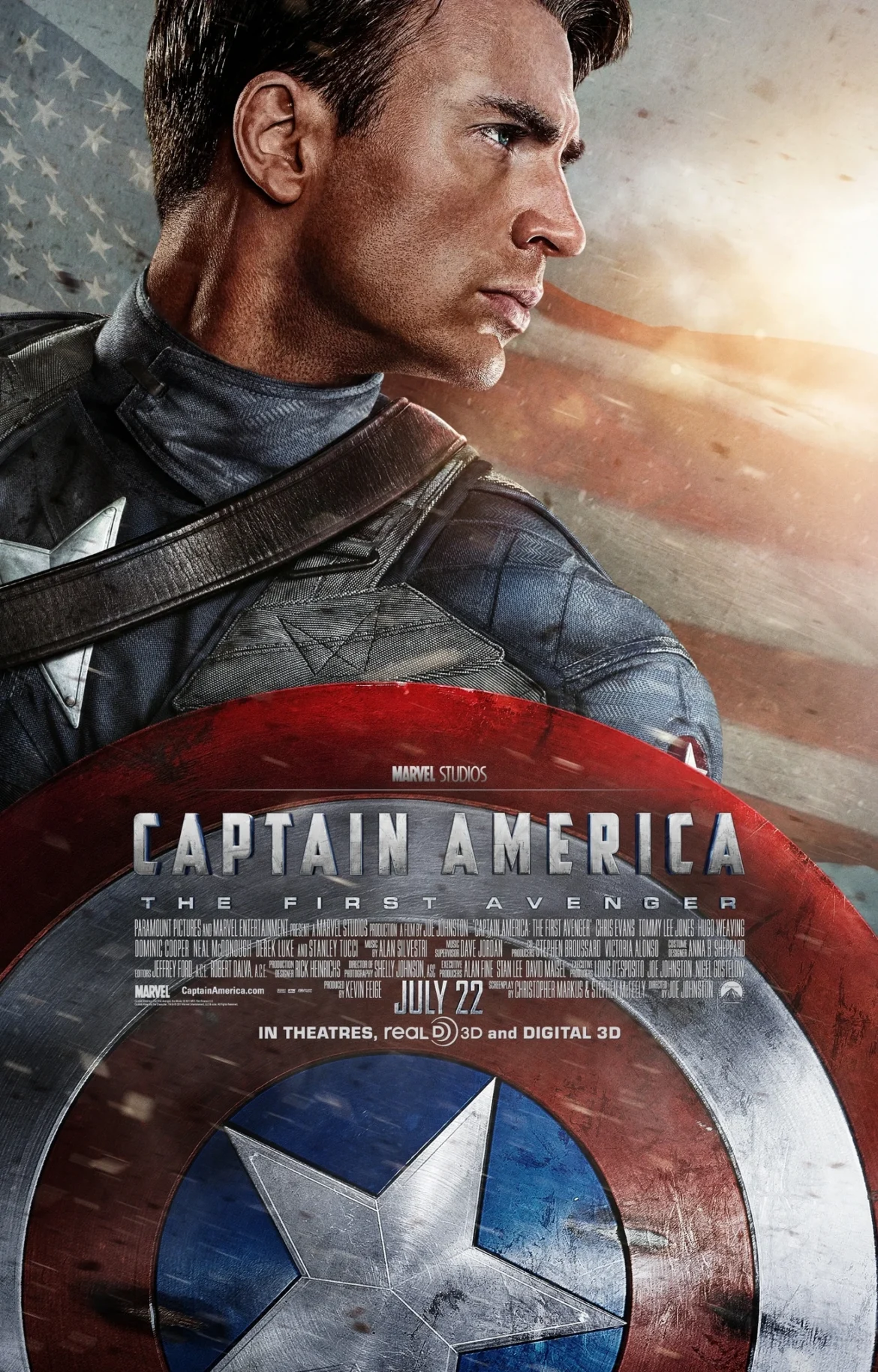
The Captain America films, part of the Marvel Cinematic Universe (MCU), are a cornerstone of modern superhero cinema, chronicling the journey of Steve Rogers, a patriotic hero transformed into a super-soldier. These films blend action, drama, and historical context, offering a compelling narrative arc that spans decades. This guide presents the Captain America films in chronological order, aligning with the in-universe timeline, and provides detailed insights into each film’s plot, themes, and significance. Additionally, we address frequently asked questions and conclude with reflections on the franchise’s impact.
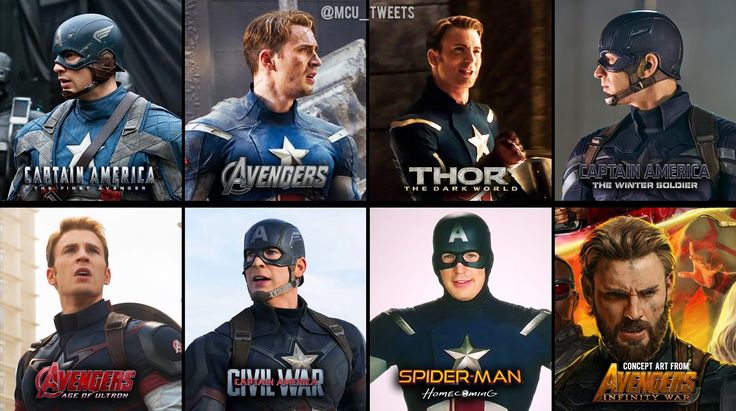
Understanding the Chronological Order
The MCU’s timeline differs from the release order of the films. Chronological order follows the in-universe timeline, starting with events in the 1940s and progressing to the present day. The Captain America films are unique because they span multiple eras, from World War II to the modern-day Avengers saga. Below, we explore the three core Captain America films, their settings, and their place in the MCU timeline, with additional context from Steve Rogers’ appearances in other MCU films where relevant.
Captain America: The First Avenger (2011)
Setting: 1942–1945 (World War II), with brief modern-day framing scenes in 2011.
Plot Summary:
Set primarily during World War America Films II, Captain America: The First Avenger introduces Steve Rogers, a frail but determined young man from Brooklyn who dreams of serving his country. Rejected from military service due to his physical limitations, Steve volunteers for a secret experiment led by Dr. Abraham Erskine. The Super Soldier Serum transforms him into the peak of human physicality, creating Captain America. Allied with Peggy Carter and Bucky Barnes, Steve battles the Nazi-affiliated Hydra organization, led by Johann Schmidt (Red Skull), who wields the Tesseract, a powerful artifact. Steve’s heroism culminates in a sacrificial act: he crashes a Hydra aircraft into the Arctic to save millions, becoming frozen in ice for decades. The film ends with Steve awakening in 2011, disoriented in a new world.
Themes and Significance:
The America Films establishes Steve Rogers as the moral heart of the MCU, embodying selflessness and courage. Its 1940s setting grounds the MCU in historical context, contrasting Steve’s old-fashioned values with the modern era he later navigates. The introduction of the Tesseract ties the film to the broader MCU, setting up The Avengers. The romance between Steve and Peggy Carter becomes a recurring emotional thread, while Bucky’s apparent death foreshadows his transformation into the Winter Soldier.
Key Moments:
- Steve’s transformation into Captain America via the Super Soldier Serum.
- The formation of the Howling Commandos, showcasing Steve’s leadership.
- The tragic loss of Bucky and Steve’s sacrifice in the Arctic.
The Avengers (2012) – Steve Rogers’ Next Major Appearance
Setting: 2012
Plot Summary:
While not a standalone Captain America Films, The Avengers is crucial to Steve’s chronological journey. After being thawed from the ice, Steve is recruited by S.H.I.E.L.D. director Nick Fury to join the Avengers Initiative. He teams up with Iron Man (Tony Stark), Thor, Hulk (Bruce Banner), Black Widow (Natasha Romanoff), and Hawkeye (Clint Barton) to stop Loki, who uses the Tesseract to open a portal for an alien invasion. Steve’s leadership shines as he coordinates the team during the Battle of New York, proving his worth in a modern context.
Relevance to Captain America’s Arc:
The America Films Avengers bridges Steve’s World War II origins to the present, highlighting his struggle to adapt to a world that has moved on without him. His interactions with Tony Stark reveal ideological clashes—Steve’s selflessness versus Tony’s ego—that define their dynamic in later films. This film also sets up Steve’s ongoing role as a leader in the MCU.
Captain America: The Winter Soldier (2014)
Setting: 2014
Plot Summary:
Captain America Films: The Winter Soldier shifts to a modern espionage thriller, set two years after The Avengers. Steve, now working for S.H.I.E.L.D., grapples with the moral complexities of modern warfare. When Nick Fury is attacked by the mysterious Winter Soldier, Steve uncovers a conspiracy within S.H.I.E.L.D. orchestrated by Hydra, which has secretly infiltrated the organization. The Winter Soldier is revealed to be Bucky Barnes, brainwashed and enhanced by Hydra. Alongside Black Widow and new ally Sam Wilson (Falcon), Steve dismantles Hydra’s plan to use surveillance-enabled Helicarriers to control the world. The film ends with Steve searching for Bucky, who begins to regain fragments of his identity.
Themes and Significance:
Widely regarded as one of the MCU’s best America Films, The Winter Soldier blends political thriller elements with superhero action. It explores themes of surveillance, freedom, and loyalty, questioning whether Steve’s values can endure in a morally gray world. The reintroduction of Bucky as the Winter Soldier adds emotional depth, while the fall of S.H.I.E.L.D. reshapes the MCU, paving the way for Avengers: Age of Ultron. The film also introduces Falcon, who becomes a key ally.
Key Moments:
- The elevator fight, showcasing Steve’s combat prowess.
- The revelation of Bucky as the Winter Soldier.
- The destruction of S.H.I.E.L.D. and Hydra’s exposure.
Avengers: Age of Ultron (2015) – Steve’s Continued Journey
Setting: 2015
Plot Summary:
In Avengers: Age of Ultron, Steve leads the Avengers in their fight against Ultron, an artificial intelligence created by Tony Stark and Bruce Banner that seeks to eradicate humanity. The team confronts new allies, Wanda and Pietro Maximoff (Scarlet Witch and Quicksilver), and the mysterious Vision, powered by the Mind Stone. Steve’s leadership is tested as internal conflicts, particularly with Tony, foreshadow the America Films rift in Civil War. The film ends with Steve and Natasha training a new Avengers team, including Falcon and Vision.
Relevance to Captain America’s Arc:
This film deepens Steve’s sense of duty and his struggle with a world that challenges his ideals. His vision of a life with Peggy, induced by Wanda’s powers, underscores his personal sacrifices. The introduction of the Sokovia Accords sets the stage for Captain America: Civil War.
Captain America: Civil War (2016)
Setting: 2016
Plot Summary:
Captain America Films: Civil War is a pivotal chapter, pitting Steve against Tony Stark in a clash of ideologies. After a mission in Lagos results in civilian casualties, the United Nations proposes the Sokovia Accords to regulate the Avengers. Steve opposes the accords, valuing individual freedom, while Tony supports oversight. The conflict escalates when Bucky, framed for a terrorist attack, becomes a fugitive. Steve assembles a team—including Falcon, Scarlet Witch, Hawkeye, and Ant-Man (Scott Lang)—to protect Bucky, while Tony leads Black Widow, Vision, War Machine, and Spider-Man (Peter Parker) to enforce the accords. The film’s climactic battle reveals Zemo’s manipulation and the truth about Bucky’s past, fracturing the Avengers. Steve leaves his shield behind, choosing loyalty to Bucky over his Captain America identity.
Themes and Significance:
Civil War is a deeply personal film, exploring loyalty, friendship, and the cost of standing by one’s principles. The Steve-Tony conflict reflects real-world debates about security versus freedom. The America Films introduction of Spider-Man and Black Panther expands the MCU, while the film’s emotional core—Steve and Bucky’s bond—grounds the spectacle. The Avengers’ division sets up Avengers: Infinity War.
Key Moments:
- The airport battle, one of the MCU’s most iconic action sequences.
- The revelation of Bucky’s role in Tony’s parents’ death.
- Steve’s decision to abandon his shield.
Avengers: Infinity War (2018) – Steve’s Resistance
Setting: 2018
Plot Summary:
In Avengers:America Films Infinity War, Steve operates as a fugitive, leading a secret team with Natasha and Sam. They join forces with the Avengers and Wakanda’s forces to stop Thanos, who seeks the Infinity Stones to erase half of all life. Steve’s determination to save Vision, who carries the Mind Stone, reflects his refusal to sacrifice individuals for the greater good. Despite their efforts, Thanos succeeds, and Steve witnesses the devastating “Snap” that decimates half the universe.
Relevance to Captain America’s Arc:
Steve’s nomad persona reflects his disillusionment with institutions, reinforcing his commitment to doing what’s right, regardless of cost. His leadership in Wakanda and emotional response to the Snap highlight his resilience.
Avengers: Endgame (2019) – Steve’s Final Chapter
Setting: 2023, with time-travel sequences to 2012, 2014, and 1970.
Plot Summary:
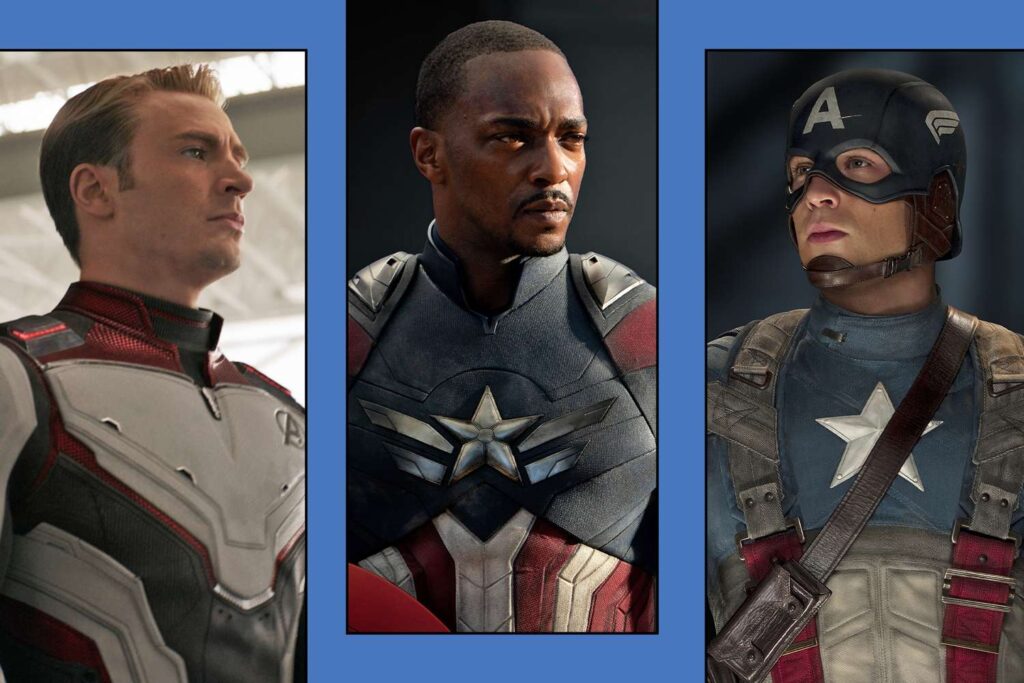
Avengers:America Films Endgame concludes Steve’s arc. After Thanos’ Snap, Steve leads the surviving Avengers in a mission to reverse the decimation. Using time travel, they retrieve the Infinity Stones from past events, including a 1970s sequence where Steve encounters Peggy Carter. After defeating Thanos, Steve volunteers to return the stones to their timelines. Instead of returning, he stays in the past to live with Peggy, passing the Captain America mantle to Sam Wilson in 2023.
Themes and Significance:
Endgame offers closure for Steve, rewarding his sacrifices with a life of peace. His choice to pass the shield to Sam symbolizes the evolution of the Captain America legacy. The film ties together the MCU’s Infinity Saga, with Steve’s arc providing emotional resonance.
Key Moments:
- Steve wielding Mjolnir, proving his worthiness Turtle.
- His reunion with Peggy in the 1970s.
- The passing of the shield to Sam.
Chronological Order Matters
Watching the Captain America films in chronological order—starting with The First Avenger, followed by The Avengers, The Winter Soldier, Age of Ultron, Civil War, Infinity War, and Endgame—offers a cohesive narrative of Steve Rogers’ evolution. This approach highlights his growth from a World War II hero to a modern leader grappling with complex moral dilemmas, culminating in his choice to find personal peace. It also emphasizes the emotional weight of his relationships with Bucky, Peggy, and the Avengers.
FAQs
What is the best order to watch the Captain America films?
The chronological order (The First Avenger, The Avengers, The Winter Soldier, Age of Ultron, Civil War, Infinity War, Endgame) follows the in-universe timeline, providing a linear narrative. However, the release order (The First Avenger [2011], The Avengers [2012], The Winter Soldier [2014], Age of Ultron [2015], Civil War [2016], Infinity War [2018], Endgame [2019]) preserves the MCU’s storytelling flow and surprises.
Do I need to watch other MCU films to understand the Captain America movies?
While the Captain America films are self-contained, watching The Avengers, Age of Ultron, Infinity War, and Endgame enhances understanding of Steve’s arc and the broader MCU context, especially regarding the Infinity Stones and team dynamics.
Why is The Winter Soldier considered the best Captain America film?
The Winter Soldier is praised for its blend of espionage thriller elements, character development, and action. It deepens Steve’s character, introduces the Winter Soldier twist, and reshapes the MCU by dismantling S.H.I.E.L.D.
What happens to Captain America after Avengers: Endgame?
Steve Rogers retires as Captain America, living a quiet life with Peggy Carter in the past. He passes the shield to Sam Wilson, who takes up the mantle in The Falcon and the Winter Soldier series.
Are there more Captain America films planned?
As of July 2025, Captain America: Brave New World (released February 2025) continues the legacy with Sam Wilson as Captain America. It follows the events of The Falcon and the Winter Soldier and introduces new challenges for Sam.
Conclusion
The Captain America films, from The First Avenger to Endgame, trace Steve Rogers’ transformation from a scrawny idealist to a battle-hardened leader who ultimately chooses personal fulfillment. These films, interwoven with Avengers crossovers, offer a rich exploration of duty, sacrifice, and friendship. Watching in chronological order immerses viewers in Steve’s journey, highlighting his enduring legacy as the MCU’s moral compass. With Sam Wilson now carrying the shield, the Captain America saga continues to evolve, promising new stories while honoring its roots.
