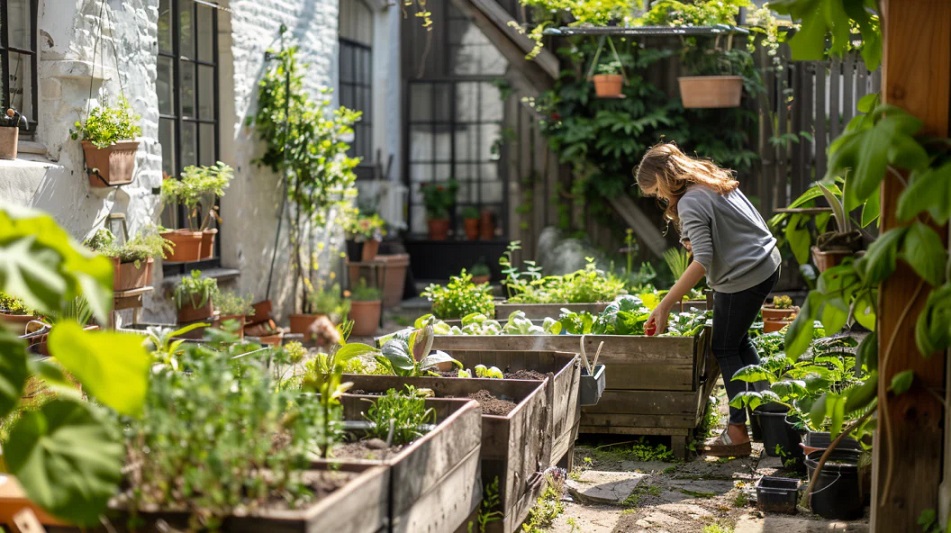
Creating a thriving garden doesn’t require a hefty budget. Strategic planning, resourceful sourcing, and clever techniques allow you to cultivate a beautiful and productive garden affordably. This guide explores practical ways to garden on a budget, from planning and sourcing free materials to propagating plants and repurposing household items. Whether you’re a beginner or an experienced gardener, these tips will help you save money while growing a vibrant outdoor space.
Plan Your Garden for Maximum Value
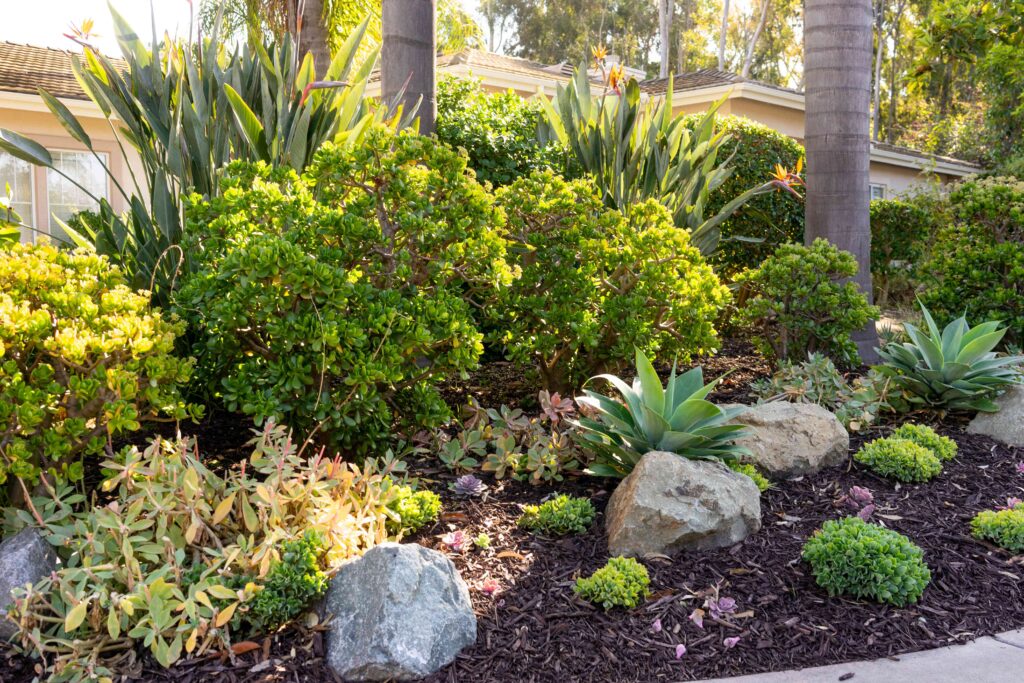
A well-thought-out garden plan sets the foundation for cost-effective gardening. Without a clear strategy, you might overspend on unsuitable plants or materials that don’t suit your space. Key considerations include assessing sunlight, soil type, and the time you can commit to maintenance.
The Royal Horticultural Society (RHS) offers valuable garden design advice. Here are some budget-focused tips to get started:
- Create a garden map: Sketch your garden layout, noting areas for plants, pots, and furniture to visualize your space efficiently.
- Prioritize your wishlist: Identify plants and features you want, estimate costs, and focus on high-impact, affordable options.
- Keep a gardening journal: Use a simple notebook to track weather, plant growth, and successes to refine your approach over time.
- Document progress with photos: Take pictures on your phone and store them in a dedicated folder to monitor changes and plan future steps.
- Invest in an almanac: A gardener’s almanac, like the National Trust’s version (£3 at The Works or £4.99 on Amazon), provides monthly tips and space to record planting details. Check secondhand platforms like eBay or Vinted for deals.
Source Affordable Plants and Supplies
Purchasing plants, seeds, and tools can add up, but discounts and strategic shopping keep costs low.
Take Advantage of Discounts
Retailers often offer promotions for budget-conscious gardeners. For example, Thompson & Morgan provides 25% off plants, bulbs, and seeds through a special link (valid until June 23, 2025, 11:59 PM). No minimum spend is required, though delivery starts at £2.99 for seeds and £6.99 for other items. Use code TM_TAW361W at checkout if the discount doesn’t apply automatically. Contact ccare@thompson-morgan.com with “MSE OFFER” in the subject line for order issues. Always compare prices with discount stores like Home Bargains or B&M, which may have cheaper alternatives.
Join Loyalty Programs
Free loyalty schemes at garden centers provide discounts and perks. Examples include:
- B&Q: Sign up for the B&Q Club to get £5 off a £30 spend, plus ongoing offers.
- British Garden Centres: The Family Card offers seasonal deals and restaurant discounts.
- Hillier: The Gardening Club awards 5 points per £1 spent (1 point = 1p) and a free 10th hot drink after purchasing nine.
Check local garden centers for independent loyalty programs via the Garden Centre Association. Paid schemes, like Thompson & Morgan’s £10/year Gardening Club (10% off orders) or Dobbies’ £15/year Club Plus (10% off plants, bulbs, and seeds), are only worthwhile for large purchases (e.g., over £100 or £150, respectively).
Explore Discounted and “Past Their Best” Plants
Supermarkets and garden centers often sell plants at reduced prices, especially during spring and summer. For instance, Co-op offered tomato, chili, and cucumber plants for £1.25 per pot in April 2025. Garden centers may have “past their best” sections with plants needing minor care, like watering or repotting, which can be revived for a fraction of the cost.
Leverage Community Resources
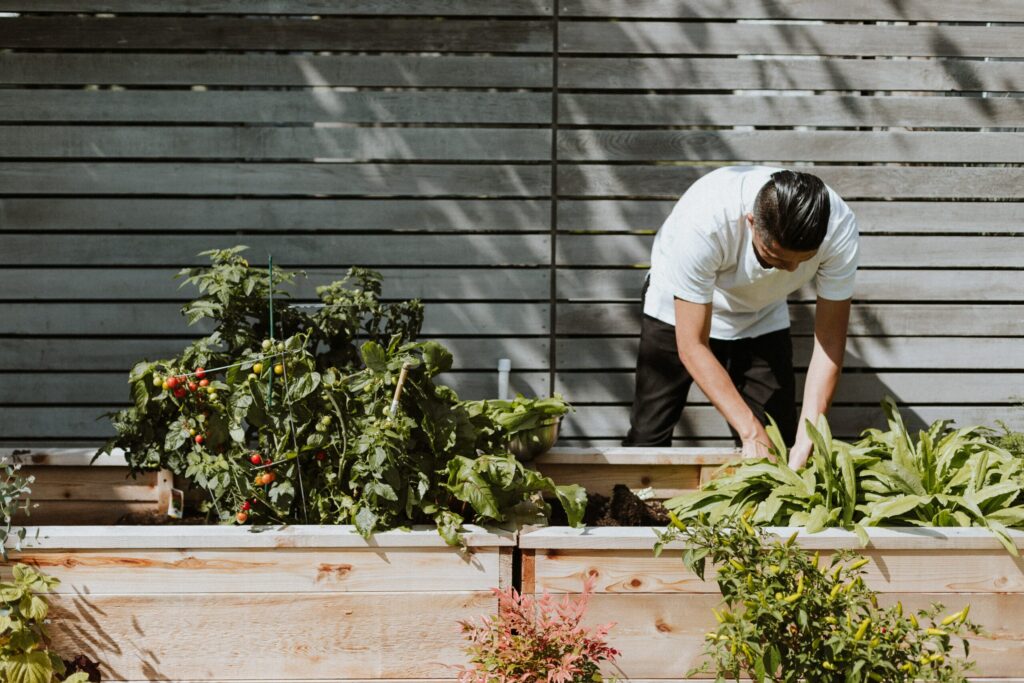
Community gardening and sharing initiatives provide access to free or low-cost resources, especially for those without private garden space.
Join Community Garden Schemes
Community gardens focus on growing and sharing produce, fostering connection, and promoting sustainability. The RHS lists groups across the UK, including:
- Incredible Edibles: Emphasizes communal food growing.
- Green Gym: Combines gardening with exercise and conservation through The Conservation Volunteers.
These programs allow you to grow food, learn skills, and share harvests without owning a garden.
Share an Allotment
Allotments offer affordable plots for growing produce. Council allotments cost around £100/year, while private ones may reach £200 but have shorter waiting lists. The Association for Public Excellence (APSE) notes that a 250-square-meter plot, costing £247/year on average in 2023, can yield produce worth up to £1,910. To save more, share an allotment with friends or family, splitting costs and tasks with permission from the council or landowner. Allotments also foster community through seed swaps, plant exchanges, and free resources like manure, as shared by MSE forumite Floss.
Propagate and Swap for Free Plants
Propagation and swapping allow you to expand your garden without spending money.
Propagate Your Own Plants
Propagation involves creating new plants from existing ones. Techniques include:
- Cuttings: Take stem or leaf cuttings and root them in water or soil.
- Division: Split root balls of perennials like dahlias in spring.
Timing varies by plant—divide dahlia tubers in spring or take rose cuttings in late summer. The RHS provides detailed propagation guides to ensure success.
Swap Seeds and Plants
Excess seeds from packets can be swapped with neighbors or through local events at libraries or community centers. Online platforms like gardening Facebook groups (e.g., Gardening Hints and Tips UK) or the MSE forum facilitate exchanges, helping you diversify your garden for free.
Read More: Top Tips to Locate a Nearby Running Track
Repurpose Household Items
Everyday household waste can replace expensive gardening products, saving money and reducing waste.
Reuse Containers
- Toilet roll tubes: Fill with compost for seed planting; they’re compostable and can be planted directly in soil.
- Butter containers: Punch holes for drainage and use as seed trays or micro herb planters.
- Plastic food containers: Use as seed trays or drip trays.
- Milk bottles: Cut off the bottom and insert into soil to direct water to plant roots.
Create Compost and Mulch
- Cardboard boxes: Flatten and place over compost heaps to suppress weeds.
- Wool packaging: Use as pot filler to retain moisture.
- Old net curtains: Substitute for horticultural fleece to protect plants.
Make Plant Feed
Create free fertilizers from household and garden waste:
- Nettles or comfrey: Soak leaves in a lidded bucket to create liquid feed.
- Banana skins: Steep in water for potassium-rich plant food.
- Lawn clippings: Sprinkle around plants for a nitrogen boost (avoid chemically treated grass).
- Coffee grounds or wood ash: Add to compost for nutrients like nitrogen, potassium, or lime.
Source Free or Low-Cost Garden Items
Secondhand and free items can enhance your garden affordably.
Street Freebies
In many neighborhoods, items left on pavements with a “free” sign are up for grabs. Look for plants, pots, or furniture. MSE Jenny H found a hose cart, cushions, and plant pots this way. Follow Martin’s Money Mantras: only take items you need and will use, and check their condition before taking.
Online and Local Platforms
- Facebook Marketplace: Search for free or cheap gardening gear, expanding searches to nearby areas.
- Vinted: Find garden decorations like lanterns or pots; compare prices with new items.
- Charity shops: Browse for affordable pots and decorations.
- Reclamation yards: Source unique items like statues; haggle for better deals.
- Car boot sales: Find seedlings, tools, and decor at low prices.
Give Away Unwanted Items
Offer surplus plants or tools on platforms like WhatsApp groups or Facebook Marketplace, as MSE Sarah did with a hydrangea. This reduces waste and builds community connections.
Choose Cost-Effective Plants
Selecting the right plants maximizes savings and impact.
Opt for Bare Root Plants
Bare root plants, sold without soil, are cheaper due to lower transport costs. For example, a bare root Lady of Shalott rose costs £23 at David Austin Roses, compared to £33 potted. They’re available seasonally (e.g., November to March at Thompson & Morgan).
Grow High-Value Produce
Focus on expensive produce like asparagus, raspberries, or blueberries rather than cheap crops like carrots. Perennials, such as asparagus or raspberries (available at Poundland), return yearly, reducing long-term costs. MSE forumite Hannah recommends autumn-fruiting raspberries for easier care.
Plant Repeat-Flowering Blooms
Choose flowers like sweet peas, cosmos, or zinnias that bloom repeatedly when picked, offering more value than one-off bloomers like peonies. These can also be dried for year-round displays.
Maintain Tools and Resources
Proper care extends the life of gardening tools and resources, saving money.
Tool Maintenance
Clean tools regularly to remove soil and sap, using a stiff brush or wire wool for secateurs. Store in a dry place to prevent rust. Avoid leaving plastic tools like watering cans in the sun, as they become brittle, per forumite in_my_wellies.
Water Conservation
Use water butts to collect rainwater, which is better for plants and cheaper than tap water. Check local councils or water companies for discounted or free water butts. The RHS offers tips on water storage and reuse.
Time Your Gardening Tasks
Follow a seasonal calendar to optimize plant health and minimize waste. The RHS and BBC’s Gardeners’ World provide monthly task guides. For example, plant tulip bulbs in September–November for spring blooms or dahlia tubers in May–June for late summer flowers.
Create a Budget Garden Makeover
Transform your garden affordably with pre-loved finds and DIY solutions.
DIY Trellises
Repurpose broken clothes airers, wire hangers, or scrap materials to create trellises for climbing plants like clematis or sweet peas, as suggested by MSE forumite Essie.
Upcycle Decor
Use broken pots for bug hotels or repurpose household items as garden decor. Charity shops, Vinted, and reclamation yards offer affordable lanterns, statues, and furniture.
FAQS
How can I start gardening if I don’t have a large budget or outdoor space?
You can begin gardening affordably by joining community garden schemes like Incredible Edibles or Green Gym, which provide access to shared plots for growing produce. Alternatively, share an allotment with friends to split costs (around £100–£200/year). For small spaces, use household items like toilet roll tubes or butter containers as seed planters. Free plant ID apps and social media groups offer guidance to maximize limited resources.
What are the best ways to get plants and seeds for free or cheaply?
Propagate plants by taking cuttings or dividing root balls from existing plants. Swap excess seeds or seedlings with neighbors or through local events at libraries. Look for street freebies like plants or pots left on pavements, and check “past their best” sections at garden centers for discounted plants. Retailers like Thompson & Morgan offer discounts (e.g., 25% off with code TM_TAW361W until June 23, 2025).
How can I save money on gardening supplies like compost and tools?
Make your own compost using food and garden waste to avoid buying it. If purchasing, buy in bulk (e.g., 50 bags of 50L compost at B&Q for £319, or 13p/liter) and share with neighbors. Repurpose household items like cardboard boxes or wool packaging for garden use. Maintain tools by cleaning and storing them properly to extend their lifespan, avoiding replacement costs.
What plants offer the most value for a budget gardener?
Focus on perennials like asparagus or raspberries, which return yearly, reducing long-term costs. Repeat-flowering plants like sweet peas or cosmos provide ongoing blooms when picked. Bare root plants, such as roses (£23 vs. £33 potted at David Austin Roses), are cheaper but seasonal. Grow high-value produce like blueberries or herbs, which are expensive to buy at supermarkets.
Where can I find free gardening advice and inspiration?
Join free gardening Facebook groups like Gardening Hints and Tips UK or follow experts on Instagram and TikTok (e.g., Monty Don @themontydon). Download plant ID apps like RHS Grow for free tracking and advice. Listen to podcasts like Gardener’s Question Time (Radio 4) or visit historic gardens with discounted entry via Gardener’s World magazine’s 2-for-1 pass.
Conclusion
Gardening on a budget is entirely achievable with thoughtful planning and resourcefulness. By leveraging community resources, propagating plants, repurposing household items, and sourcing free or discounted materials, you can create a flourishing garden without significant expense. Seasonal strategies, like planting bare root plants or timing tasks for optimal growth, further maximize savings. Tap into free expertise from apps, podcasts, and social media to refine your skills and stay inspired. With these approaches, you can enjoy the rewards of gardening—fresh produce, vibrant blooms, and a beautiful outdoor space—while keeping costs minimal and sustainable.
