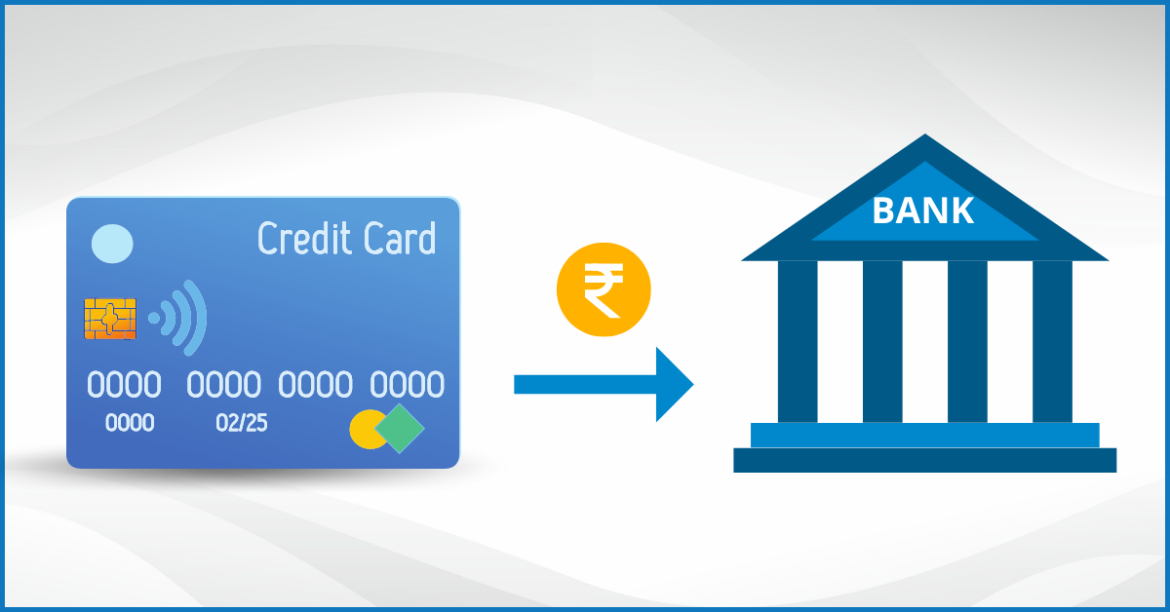
Credit Card To Bank Transfer: When it comes to managing your finances, there are a lot of strategies you can employ to ensure that your money moves seamlessly. One of the most common and practical moves people make is transferring funds from a credit card to a bank account. However, while it may sound simple, this process can often come with a host of hidden fees and charges that can quickly add up.
Let’s take a quick dive into how one of our readers, Sarah, found herself in a bit of a financial dilemma. She was looking for a way to transfer money from her credit card to a bank account to pay off some bills. To her surprise, she was hit with a fee every time she made the transfer. But after some research, Sarah figured out how to make this process work for her without losing a cent. And today, you’ll get to learn the same strategies she did.
In this article, we’re going to explore the best way to transfer money from credit card to bank account without any charge, while also helping you understand some of the technicalities and hidden fees that could otherwise cause frustration.
Understanding Credit Card to Bank Transfer
Before we even dive into the “how-to” of transferring funds without a fee, it’s essential to understand the credit card to bank transfer process. Essentially, this transfer involves moving money from your credit card into a linked bank account.
This is commonly done when someone needs quick cash and doesn’t want to use an ATM withdrawal, which can incur hefty fees. It’s also often used for bill payments, emergency cash needs, or consolidating credit card debt. But the biggest issue here is the fees that usually come with it, making what seems like an easy solution much less attractive.
In the next few sections, we’ll break down exactly how to get around these fees and ensure that your transfer doesn’t cost you a dime.
Why Are Credit Card to Bank Transfers Charged?
To really understand how to avoid fees, it helps to know why banks and credit card companies charge for these transfers.
Many times, credit card transfers are treated as “cash advances.” The reason behind this is that when you transfer money to a bank account, it’s essentially treated the same way as taking out a cash advance at an ATM. And just like those ATM withdrawals, the transfer is often accompanied by fees and interest charges.
But here’s the catch—when you opt for certain strategies that we’ll talk about later, you can avoid these fees and still enjoy the convenience of transferring funds to your bank account.
Step-by-Step Guide to Credit Card to Bank Transfers Without Charges
Alright, let’s get into the meat of it. Here’s how you can transfer funds from your credit card to your bank account without paying any fees. Follow this guide step by step to make sure you avoid hidden charges.
Check Your Credit Card Issuer’s Policy
The first thing you’ll want to do is check the terms and conditions of your credit card issuer. Some credit card companies offer zero-fee transfers as part of promotional offers, while others might have specific cash advance policies that include free transfers.
If you’re unsure whether your card issuer allows free transfers, give them a call or check online. This will help you determine if it’s even possible to avoid charges right from the start.
Use a Balance Transfer to Avoid Cash Advance Fees
A balance transfer can be your best friend when it comes to avoiding the hefty fees typically associated with credit card to bank transfers. Many credit cards offer 0% interest for the first 12-18 months when you transfer a balance from one credit card to another. While this isn’t exactly the same as moving money to a bank account, you can use this technique to manage your credit card debt and free up your available credit for bank transfers.
Here’s the trick: if you already have a balance transfer offer available to you, and if the terms are right, you can transfer money from your credit card to another credit card (with no charge) and then use that card for direct deposits to your bank account.
This strategy helps you avoid the cash advance fees and potentially gives you a lower interest rate for managing debt.
Use a Peer-to-Peer (P2P) Payment Service
Peer-to-peer payment services like Venmo, PayPal, and Cash App often allow you to link your credit card and transfer money into your bank account. But here’s the key: when you use a P2P payment service, the service usually charges a fee for instant transfers (or transfers to your bank), but if you choose the standard transfer option, you might avoid fees entirely.
- Venmo: Allows free transfers to your linked bank account if you choose the standard transfer option (usually takes 1-3 business days).
- PayPal: Similarly, if you select the standard transfer, there’s no fee involved for moving money from your PayPal balance to your linked bank account.
Look for Cards with No Cash Advance Fees
There are certain credit cards that offer zero-fee cash advances. It’s rare, but it’s worth searching for one of these cards if you anticipate making a credit card to bank transfer regularly.
Some financial institutions or even digital banking services have no-fee transfer policies for certain types of transactions, so consider looking into those options before jumping into a transfer.
Avoid Using ATMs for Cash Advances
A common mistake is to try and withdraw cash at an ATM using your credit card to then deposit into your bank account. However, ATM withdrawals are treated as cash advances and come with immediate fees and interest.
If you can avoid this option altogether, you’ll save yourself a lot of unnecessary charges.
Set Up Automatic Bank Transfers From Your Credit Card
For bill payments or regular transfers, setting up automatic payments from your credit card to a bank account may be an option worth exploring. Many credit card companies will waive the transfer fee if you schedule automatic transfers and have consistent usage.
Consider Using a No-Fee Credit Card or Bank Service
Some banks offer no-fee credit cards with features like automatic payments or free credit card to bank transfers. These cards are not very common, but they’re available for people with strong credit scores. If you don’t already have a no-fee card, it may be worth applying for one, especially if you foresee needing to make transfers in the future.
Best Alternatives to Credit Card to Bank Transfers
While credit card to bank transfers without fees are possible, there are often alternative methods that are even more cost-effective. Let’s explore these alternatives:
ACH Transfers
If you need to transfer funds from one bank account to another, you can use an ACH (Automated Clearing House) transfer. This method is often completely free and may be a better choice than using your credit card. ACH transfers are typically used for direct deposit of your paycheck, but you can also use them to transfer money between accounts without incurring any fees.
Wire Transfers
Though more traditional and usually associated with larger sums of money, wire transfers are an option if you need to send money from your bank account to another institution. However, note that most wire transfers do have a fee, so you’ll need to check with your bank beforehand.
Frequently Asked Questions
What is the best way to transfer funds from a credit card to a bank account without charges?
The best way is to use a 0% APR balance transfer offer or services like peer-to-peer payment apps that allow free transfers from your credit card to a bank account. Be sure to check for hidden fees or conditions.
Are there any apps that allow free credit card to bank transfers?
Yes, apps like Venmo, PayPal, or Zelle may allow free credit card transfers to a bank account, depending on the payment method and the type of transaction. Always verify if fees apply based on your chosen method.
Do all credit cards offer free bank transfers?
No, most credit cards do not offer free transfers. While some promotional offers might include 0% APR for balance transfers, many will charge a balance transfer fee that typically ranges from 3% to 5%.
Can I transfer money from my credit card to my bank account via wire transfer?
Wire transfers from credit cards to bank accounts usually come with significant fees, and credit card companies typically do not support this type of transaction without charging. Using balance transfer or P2P apps is often a cheaper alternative.
What are the risks of transferring money from a credit card to a bank account?
The main risks include high fees or interest rates if the balance is not paid off quickly. Additionally, if using peer-to-peer services, ensure the platform does not charge for credit card-funded transfers. Always read the terms before proceeding.
Conclusion
Transferring funds from a credit card to a bank account without incurring charges can be tricky, but it is possible with careful planning. The best method typically involves using a 0% APR balance transfer offer or leveraging services like peer-to-peer payment apps that do not charge fees for credit card transfers. It’s important to always read the fine print, as hidden fees may apply under certain conditions. Additionally, some banks may offer fee-free transfers as part of promotional offers or special arrangements for their customers. Always compare options to ensure the transfer is truly free of charge and suits your financial needs.
