Gardening may be a relaxing hobby for you, but horticulture is also a science—complete with its own set of terminology. This is hardly surprising, given how much precision is required to create the conditions necessary for some plants to survive. Whether you’re designing a vibrant backyard oasis or maintaining a small urban garden, understanding the language of plants helps you make informed decisions about care, placement, and growth.
And yet, there are some gardening and landscaping terms that are used inconsistently, or lack a standard definition, like “shrub” and “bush.” The words are often used interchangeably, but are they referring to the same thing? The confusion can lead to mistakes in plant selection or care, potentially affecting the health and aesthetics of your garden. Knowing the nuances between these terms can empower you to choose the right plants for your space.
In this guide, we’ll dive deep into the difference between shrubs and bushes, explore their characteristics, and explain why understanding these terms matters for gardeners and landscapers. From their botanical definitions to practical tips for incorporating them into your landscape, we’ll cover everything you need to know to create a thriving, beautiful outdoor space.
Defining Shrubs and Bushes: What’s in a Name?
The terms “shrub” and “bush” are often tossed around in gardening conversations, but pinning down their exact meanings can be tricky. Even horticultural experts don’t always agree on clear distinctions. Let’s break down what we know from reliable sources and why these definitions matter.
Botanical Definitions of Shrubs
A shrub is typically defined as a woody plant that’s smaller than a tree and produces multiple stems from its base, rather than a single trunk. According to the National Garden Association, shrubs are generally under 20 feet tall and lack the thick, singular trunk that characterizes trees. They’re versatile plants, often used for hedges, borders, or focal points in gardens. Their multi-stem structure gives them a fuller, denser appearance compared to trees.
Botanical Definitions of Bushes
The term “bush” is less precise. The National Garden Association describes a bush as “a shrub with branches; a thick shrub; technically, a low and much-branched shrub.” This suggests that a bush is a type of shrub, but one that’s particularly dense or low-growing. However, many experts, like Jerry Goodspeed from Utah State University Extension, use “bush” and “shrub” interchangeably to describe woody plants between 1.5 and 10 feet tall.
Why the Confusion Exists
The overlap in definitions stems from the lack of a universal standard in horticulture. Regional differences, colloquial usage, and even nursery marketing can blur the lines. For example, a plant labeled as a “bush” at one garden center might be called a “shrub” at another. This inconsistency highlights the importance of researching specific plant characteristics, like size and growth habits, before purchasing.
Read More: Give Your Franks the ‘Dirty Water Dog’ Treatment
Key Characteristics of Shrubs and Bushes
To better understand shrubs and bushes, let’s look at their physical and functional traits. While their definitions may overlap, certain characteristics can help you identify and work with these plants effectively in your garden.
Growth Patterns and Structure
- Shrubs: Typically have multiple stems arising from the base, creating a dense, rounded shape. Examples include hydrangeas and azaleas.
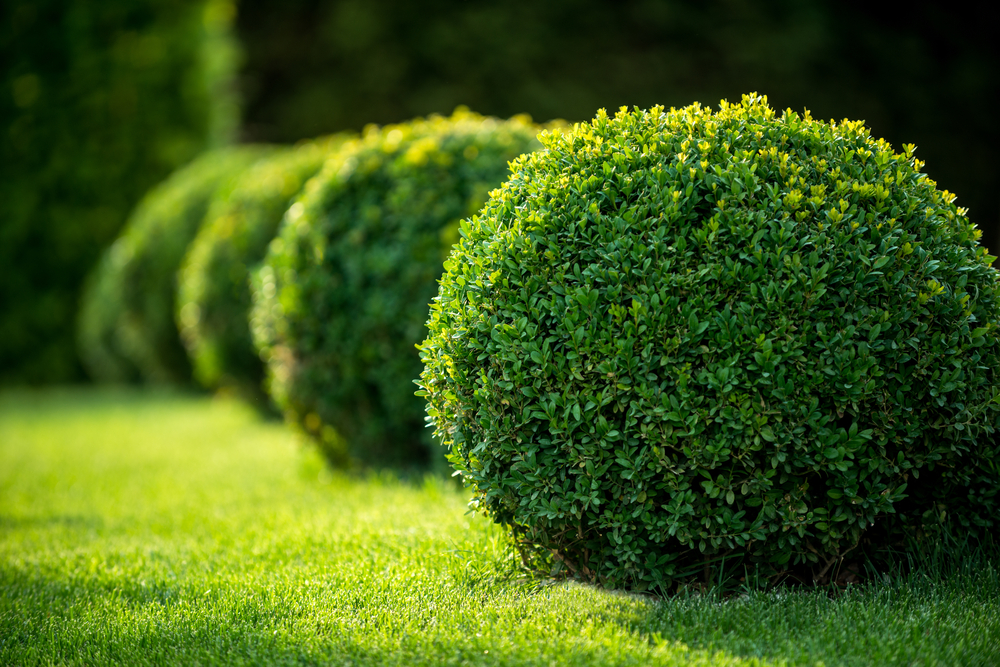
- Bushes: Often denser and more compact than other shrubs, with heavy branching. Think of a dense boxwood or a sprawling juniper.
- Height: Both usually range from 1.5 to 10 feet, though some shrubs can grow taller under ideal conditions.
- Foliage: Shrubs and bushes may be evergreen (retaining leaves year-round) or deciduous (shedding leaves seasonally), depending on the species.
- Root Systems: Both have fibrous root systems, making them easier to transplant than trees.
Common Species of Shrubs
Some popular shrubs include rhododendrons, lilacs, and viburnums. These plants are prized for their flowers, foliage, or berries, adding color and texture to landscapes. Each species has unique care requirements, such as specific soil types or sunlight needs, which gardeners must consider to ensure healthy growth.
Common Species of Bushes
Bushes, as a subset of shrubs, include plants like forsythia, spirea, and barberry. These are often chosen for their low maintenance and ability to form dense hedges or ground covers. Their compact size makes them ideal for small gardens or as foundation plantings near buildings.
Practical Uses in Landscaping
Shrubs and bushes are landscaping superstars, offering versatility and beauty. Whether you’re aiming for privacy, aesthetic appeal, or ecological benefits, these plants can transform your outdoor space.
Creating Privacy and Boundaries
Shrubs and bushes are excellent for forming natural fences or privacy screens. Tall varieties, like arborvitae, can block views, while lower ones, like boxwoods, define garden borders. Their dense growth provides a lush, green alternative to man-made fences.
Enhancing Aesthetic Appeal
With their varied shapes, colors, and textures, shrubs and bushes add visual interest to gardens. Flowering shrubs like roses or butterfly bushes attract pollinators, while evergreens like hollies provide year-round structure. Mixing different types creates dynamic, multi-seasonal landscapes.
Supporting Local Ecosystems
Shrubs and bushes can support wildlife by providing food and shelter. Berry-producing plants, like elderberries, attract birds, while nectar-rich shrubs, like buddleia, draw butterflies. These plants also help prevent soil erosion and improve air quality.
Care and Maintenance Tips
Proper care is essential to keep shrubs and bushes healthy and vibrant. While their needs vary by species, some general principles apply to most woody plants in these categories.
Watering and Feeding
- Watering: Most shrubs and bushes need regular watering, especially during their first year. Deep, infrequent watering encourages strong root growth.
- Fertilizing: Use a balanced fertilizer in spring to promote growth. Avoid over-fertilizing, which can lead to weak, leggy growth.
- Mulching: Apply 2-3 inches of organic mulch around the base to retain moisture and suppress weeds.
Pruning Techniques
- Timing: Prune flowering shrubs after blooming to avoid cutting off next season’s buds. Evergreen shrubs can be pruned in early spring.
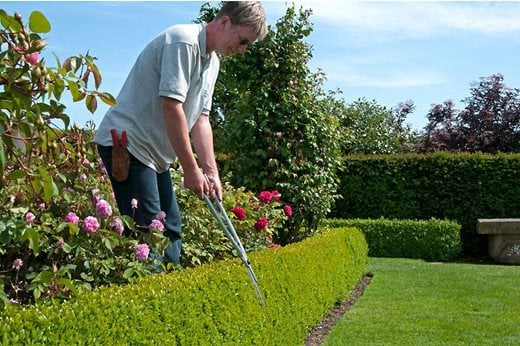
- Tools: Use sharp, clean shears to make precise cuts and prevent disease.
- Goals: Remove dead or damaged branches, shape the plant, and encourage air circulation.
Soil and Sunlight Needs
- Soil: Most shrubs prefer well-drained, loamy soil with a neutral pH. Test your soil to ensure compatibility.
- Sunlight: Check plant tags for light requirements—some thrive in full sun, while others prefer partial shade.
- Amendments: Add compost or organic matter to improve soil fertility and drainage.
Choosing the Right Plants for Your Garden
Selecting the right shrubs or bushes depends on your garden’s conditions, goals, and climate. Making informed choices ensures long-term success and minimizes maintenance.
Considering Climate and Hardiness Zones
- USDA Zones: Check your region’s hardiness zone to select plants that can withstand local temperatures.
- Native Plants: Choose native shrubs or bushes, like serviceberry or sumac, for better adaptability and lower maintenance.
- Microclimates: Account for variations in your yard, like shady corners or windy spots.
Matching Plants to Garden Goals
Aesthetics: Opt for flowering shrubs like peonies for color or evergreens like junipers for structure.
Function: Use dense bushes like privet for privacy or low-growing ones like lavender for borders.
Maintenance: Select low-maintenance options like yews if you prefer minimal upkeep.
Avoiding Common Mistakes
- Overcrowding: Space plants properly to allow for mature growth and prevent competition.
- Ignoring Care Needs: Research each plant’s requirements for water, light, and soil.
- Neglecting Pests: Monitor for pests like aphids or diseases like powdery mildew and treat promptly.
Why Understanding the Difference Matters
While the terms “shrub” and “bush” may lack precise definitions, understanding their characteristics and uses can elevate your gardening game. This knowledge impacts everything from plant selection to long-term garden success.
Impact on Plant Selection
Knowing whether a plant is a shrub or a bush (or both) helps you choose species that fit your space and goals. For example, a low-growing bush might be perfect for a small garden, while a taller shrub could serve as a focal point.
Influence on Garden Design
Shrubs and bushes shape the structure and flow of your landscape. Their size, shape, and growth habits determine where they’re best placed—whether as a hedge, accent, or ground cover. Thoughtful placement enhances both beauty and functionality.
Long-Term Maintenance Benefits
Understanding these plants’ needs ensures you provide proper care, reducing the risk of disease or poor growth. Informed gardeners can create sustainable landscapes that thrive for years with minimal intervention.
FAQs
Are shrubs and bushes the same thing?
While often used interchangeably, shrubs are woody plants with multiple stems, and bushes are typically denser, low-growing shrubs. Definitions vary, so check specific plant characteristics.
How tall do shrubs and bushes grow?
Most shrubs and bushes range from 1.5 to 10 feet tall, though some shrubs can reach up to 20 feet, depending on the species and conditions.
Can shrubs and bushes be used for privacy?
Yes, dense shrubs like arborvitae or bushes like boxwoods are ideal for creating natural privacy screens or hedges in gardens.
How often should I prune shrubs or bushes?
Prune flowering shrubs after blooming and evergreens in early spring. Regular pruning maintains shape, removes dead branches, and promotes healthy growth.
What are some low-maintenance shrubs or bushes?
Yews, junipers, and lavender are low-maintenance options that require minimal care while adding beauty and structure to your garden.
Conclusion
The difference between shrubs and bushes may seem subtle, but it’s a distinction worth exploring for any gardener. While their definitions overlap, shrubs are typically multi-stemmed woody plants under 20 feet, and bushes are often denser, lower-growing versions. By understanding their traits, uses, and care needs, you can make smarter choices for your garden, creating a vibrant, sustainable landscape that thrives for years. Start planning your garden with confidence today!
