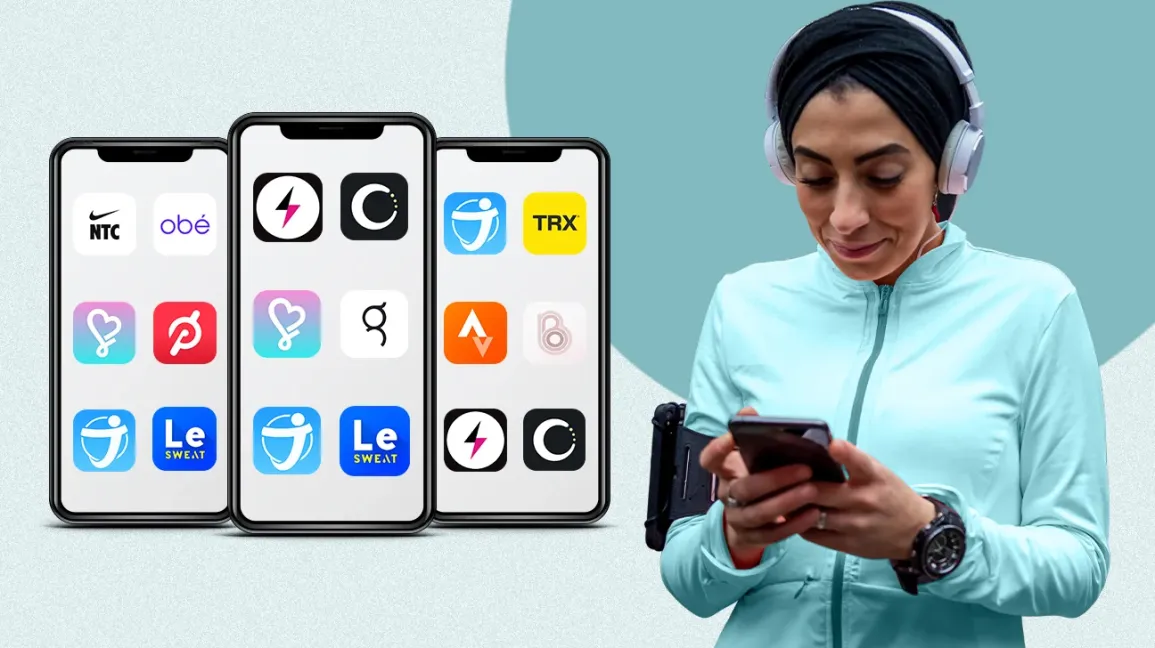
As a certified personal trainer, I’ve worked with clients of all fitness levels—from complete beginners to advanced athletes. One of the most common questions I get asked is: “What health and fitness apps do you personally use and recommend?” With so many options available, it can be overwhelming to choose the right ones. The truth is, the best apps are those that simplify your health journey, keep you consistent, and help you stay motivated. Over the years, I’ve tested dozens of apps, and today I’m sharing my favorites that I actually use for myself and recommend to clients. These aren’t just trendy downloads; they are practical tools that support sustainable health and fitness habits.
Why Use Health and Fitness Apps?
Fitness apps have become game-changers because they provide accountability, structure, and data. When you can see your progress, you’re more likely to stick to your plan. Apps also make it easy to track workouts, log nutrition, monitor recovery, and even stay mindful. The best part is that they fit seamlessly into your lifestyle—you can literally carry your coach, tracker, and meal planner in your pocket.
My Top Fitness and Health Apps
MyFitnessPal – Best for Nutrition Tracking
Nutrition plays a huge role in fitness, and MyFitnessPal is my go-to app for helping clients understand their eating habits. It has one of the largest food databases, making it easy to log meals and snacks by simply searching or scanning barcodes. What I love most is that it breaks down macronutrients and calories, which is great for anyone aiming to lose fat, gain muscle, or just eat more balanced meals. The app also integrates with many other fitness apps and wearables, making it versatile.
Strava – Best for Runners and Cyclists
For those who love running, cycling, or outdoor workouts, Strava is unbeatable. It uses GPS to track your distance, pace, and routes, and it has a strong community element. Many of my clients enjoy competing with friends, joining challenges, or just seeing their performance improve over time. It’s perfect for adding a social and motivational layer to cardio training.
Strong – Best for Strength Training
When it comes to weightlifting and resistance training, Strong is my favorite app. It allows you to log sets, reps, weights, and rest times in a very user-friendly way. Over time, you can see clear progress, which is motivating. I often recommend it to clients who want a structured way to track strength gains without carrying a notebook to the gym.
Headspace – Best for Mindfulness and Recovery
Fitness isn’t just about working out; it’s also about recovery and mental health. Headspace is my go-to app for guided meditation and relaxation. Many clients underestimate the role of stress management in overall health, but this app helps create balance. Even just 5–10 minutes a day of mindfulness can improve focus, reduce stress, and support better sleep—all of which impact fitness performance.
Fitbod – Best for Personalized Workouts
Fitbod is excellent for people who want a smart, adaptive workout plan. It uses AI to build workouts based on your goals, available equipment, and recovery level. I recommend this app for clients who train solo but still want some structure. The progressive overload feature ensures that your workouts become more challenging over time, which is key to long-term results.
WHOOP – Best for Recovery Tracking
Unlike traditional fitness apps, WHOOP focuses on recovery, strain, and sleep. It helps you understand when to push hard and when to prioritize rest. As a trainer, I love using WHOOP to teach clients the importance of listening to their bodies. It’s especially useful for athletes or anyone who wants to optimize training and avoid burnout.
Nike Training Club – Best Free All-Around App
For those who don’t want to spend money on apps, Nike Training Club is an amazing free resource. It offers guided workouts ranging from yoga and mobility to high-intensity strength and cardio sessions. I recommend it to beginners and anyone looking for variety in their workouts without hiring a personal trainer.
How I Recommend Clients Use Apps
The key with fitness apps is to avoid overwhelm. You don’t need ten apps to reach your goals—you just need the right ones that match your lifestyle. For most of my clients, I suggest picking one app for workouts, one for nutrition, and one for mindfulness. This keeps things simple and sustainable.
Here’s a simple breakdown:
- Workout tracking: Strong, Fitbod, or Nike Training Club
- Nutrition tracking: MyFitnessPal
- Mindfulness/recovery: Headspace or WHOOP
- Cardio/outdoor tracking: Strava
FAQ’s
Which fitness app is best for beginners?
For beginners, I usually recommend Nike Training Club because it’s free, easy to follow, and offers a wide range of guided workouts. It’s a great way to start building consistency.
What’s the best app for tracking food and calories?
MyFitnessPal is the most reliable option thanks to its massive food database and barcode scanning feature. It also integrates with other fitness apps to give you a full picture of your health.
Do I need to pay for premium versions of these apps?
Not always. Many apps, like Nike Training Club and Strava, have excellent free versions. However, upgrading to premium can be worth it if you want more detailed analytics, advanced features, or personalized plans.
What app should I use if I want to build muscle?
For muscle building, I recommend Strong or Fitbod. Both help you log strength workouts and track progress over time, which is crucial for building muscle effectively.
Can these apps replace a personal trainer?
Apps are fantastic tools, but they can’t fully replace the expertise, accountability, and personalized feedback of a trainer. I suggest using apps to supplement your training or to stay consistent when you don’t have direct access to professional guidance.
TBLOP is a Safe and Malware-Free Portal for All Your Porn Needs
Conclusion
As a trainer, I’ve seen how powerful these apps can be when combined with consistent effort and the right mindset. They aren’t magic shortcuts, but they do provide structure, accountability, and motivation—three things every fitness journey needs. Whether you’re just starting or looking to take your training to the next level, try experimenting with one or two of these apps and see how they fit into your routine. At the end of the day, the best app is the one you’ll actually use consistently.
