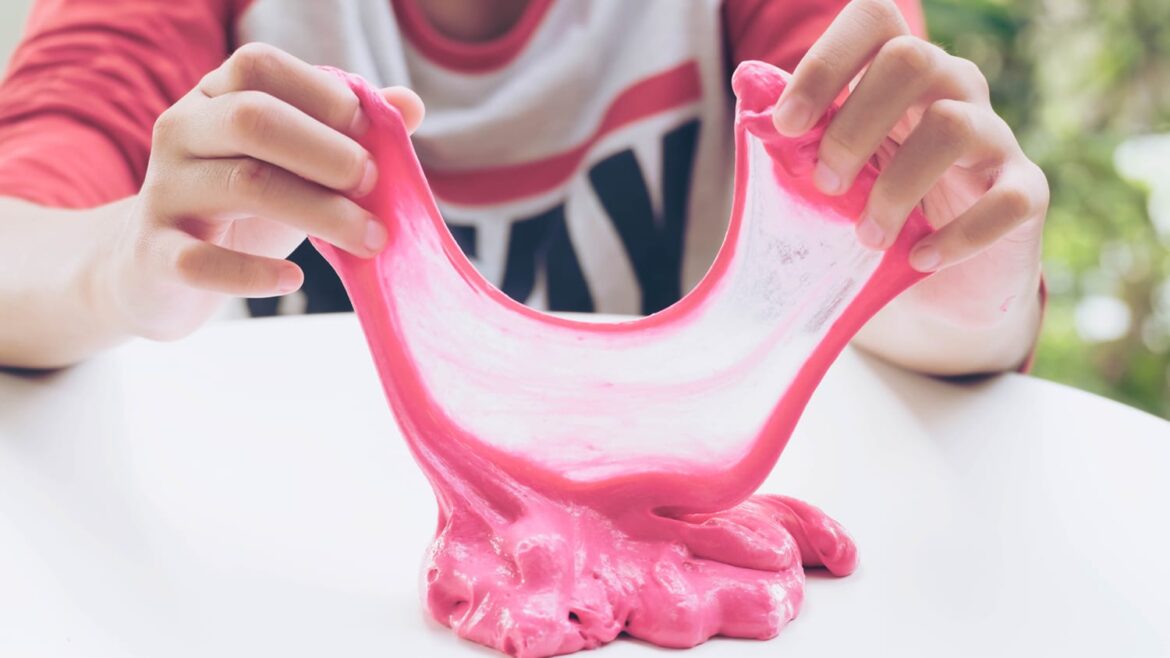
Slime is a fun and creative toy for kids, but when it ends up stuck to clothes or upholstery, it can quickly become a frustrating mess. Its sticky texture and bright colors make it stubborn to remove without the right approach.
Tackling slime stains requires a combination of quick action, gentle cleaning techniques, and the right products. Removing it carefully ensures fabrics remain undamaged while restoring their original look.
By understanding how slime behaves on different materials, you can choose the most effective cleaning method. With the correct steps, you can eliminate stains and sticky residue without leaving behind discoloration or fabric damage.
Understanding Slime and Its Composition
Key Ingredients in Slime
Most slime recipes contain glue, borax or contact solution, water, and coloring agents. These components give slime its stretchy, sticky texture, making it fun to play with but challenging to clean.
Why Slime Clings to Fabrics
Slime sticks because glue molecules bond with fabric fibers. This bonding creates a firm grip, especially when the slime has been pressed or dried onto the material.
Differences in Homemade and Store-Bought Slime
Homemade slime often contains more glue and food coloring, while store-bought versions may have added preservatives. This difference can affect how easily each type is removed from clothing or upholstery.
Preparing the Affected Area Before Cleaning
Removing Excess Slime Gently
Before applying any liquid cleaners, gently scrape away as much slime as possible with a spoon or blunt knife. This prevents deeper penetration into fabric fibers.
Choosing the Right Cleaning Tools
Use a soft-bristled brush, microfiber cloth, or sponge. Avoid abrasive materials that could damage delicate fabrics during cleaning.
Testing Cleaning Solutions First
Always test any cleaning product on a hidden section of the fabric. This ensures there is no color fading or fiber weakening before treating the stained area fully.
Effective Cleaning Methods for Clothes
- Using Vinegar for Slime Removal
- Mix equal parts white vinegar and water in a spray bottle
- Spray directly onto the slime residue
Allow it to sit for a few minutes before gently scrubbing with a cloth
Applying Liquid Laundry Detergent
Liquid detergent can help break down the sticky glue. Rub a small amount into the stain with your fingers and rinse under cold water before machine washing.
Pre-Treating Before Machine Wash
Treat stubborn areas with a stain remover spray, then wash the garment in cold water. Avoid using hot water, which may set the stain permanently.
Safe Cleaning Techniques for Upholstery
Using Ice Cubes to Harden Slime
Placing ice cubes over the slime will harden it, making it easier to pick off without smearing it deeper into the fabric.
Applying Mild Dish Soap Solution
- Mix a few drops of dish soap with warm water
- Dip a clean cloth into the mixture and dab onto the slime
- Blot, rather than scrub, to avoid damaging upholstery fibers
Avoiding Excess Water Damage
Too much water can seep into upholstery padding, causing mold or mildew. Always use minimal liquid and dry the area thoroughly afterward.
Preventing Slime Stains in the Future
Establishing Play Zones for Slime
Designating certain areas, like kitchen tables, for slime play reduces the chances of it ending up on clothes or couches.
Encouraging Protective Clothing
Have children wear aprons or old clothes when playing with slime. This precaution prevents accidental stains on favorite outfits.
Choosing Easy-to-Clean Surfaces
Encourage play on smooth, non-porous surfaces like plastic mats, making clean-up quicker and more effective.
When Professional Cleaning Is Necessary
Identifying Stubborn Stains
If slime is embedded deep into thick fabrics, professional cleaning may be the safest option to prevent fabric damage.
Considering Fabric Sensitivity
Delicate materials like silk or velvet should be handled by specialists to ensure proper stain removal without harm.
Benefits of Professional Upholstery Services
Professionals have access to industrial-grade cleaners and specialized equipment, ensuring a deeper and safer clean than at-home methods.
FAQs
Can vinegar damage colored fabrics when removing slime?
Vinegar is generally safe for most fabrics, but it’s important to test on a small hidden area first. This helps ensure the color remains vibrant and unaffected before applying it to the full stain.
What should I do if slime has dried completely on clothes?
Scrape away as much as possible with a blunt tool, then soak the stained area in a vinegar-and-water solution. Gently scrub and launder in cold water to lift the residue.
Is hot water effective for slime removal?
Hot water can set the slime stain permanently, especially if it contains glue. Cold water is recommended for rinsing and cleaning to preserve fabric quality.
Can I use rubbing alcohol on upholstery to remove slime?
Rubbing alcohol can work for certain fabrics but may cause discoloration. Always test it in an inconspicuous spot before applying it to the main area.
How can I prevent slime from sticking to clothes?
Encourage children to play with slime in designated areas while wearing old clothes or aprons. This simple step can greatly reduce the risk of slime stains.
Conclusion
Removing slime from clothes and upholstery is entirely possible with the right preparation and cleaning techniques. By acting quickly, using gentle yet effective solutions, and following tested methods, you can restore fabrics to their original condition. Establishing preventive measures will further reduce future messes. Whether handled at home or with professional help, a proper approach ensures your clothes and upholstery remain fresh, clean, and free from sticky residue.
