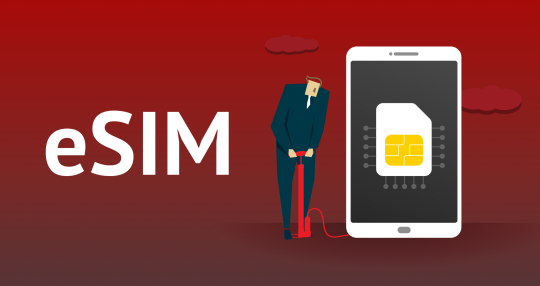
The landscape of mobile connectivity has evolved significantly over the past decade, and one of the most transformative advancements is the introduction of embedded SIMs, or eSIMs. While eSIM technology has been available for over ten years, its adoption in the United Kingdom has gained momentum only recently. Despite this progress, many UK mobile providers have yet to fully embrace eSIMs, limiting their widespread use for domestic purposes. However, eSIMs have emerged as a game-changer for international travelers, offering a cost-effective and convenient alternative to traditional roaming plans. This guide explores what eSIMs are, how they work, their compatibility with devices, their benefits for international travel, and a step-by-step process for using them, along with answers to common questions about their functionality.
What is an eSIM?
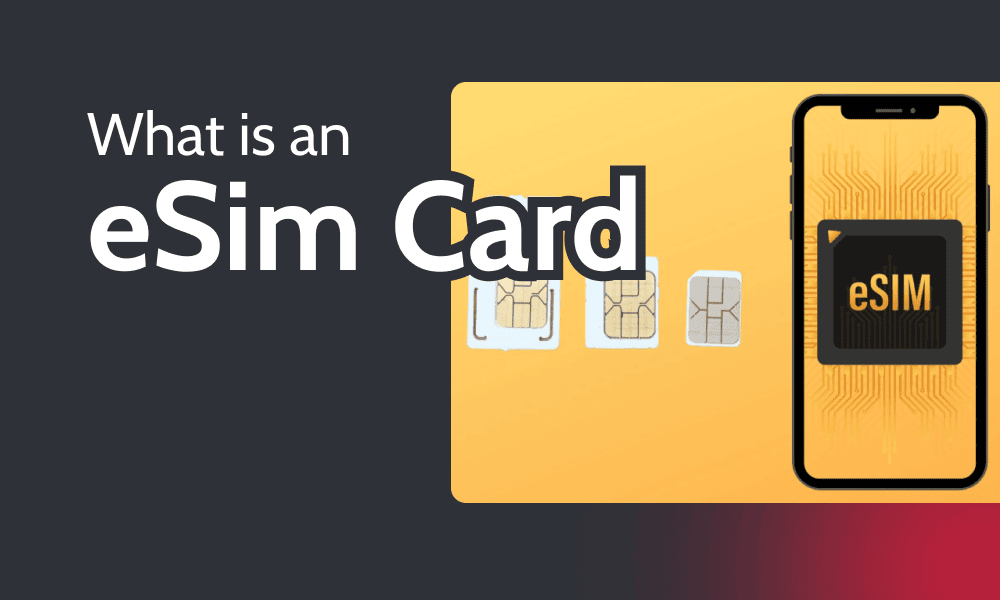
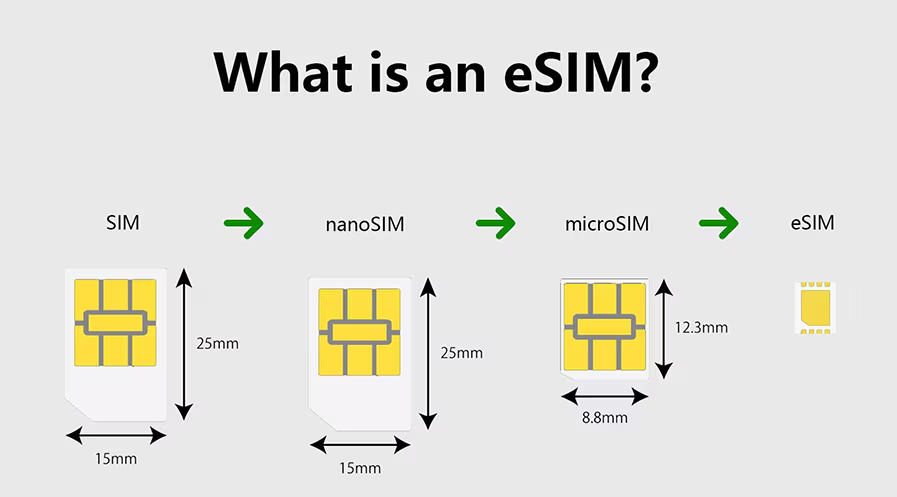
An eSIM, short for embedded SIM, is a digital version of the traditional physical SIM card that has long been a staple in mobile phones. Unlike physical SIMs, which require insertion into a device’s SIM tray, an eSIM is a small chip embedded directly into a compatible device, such as a smartphone, tablet, or smartwatch. This chip manages critical functions like calls, text messages, and mobile data, all without the need for a physical card. By eliminating the need for a tangible SIM, eSIMs offer a streamlined, flexible approach to mobile connectivity.
In the UK, eSIM adoption is still in its early stages, with only a select number of providers offering support. However, their true value shines for international travelers, particularly those venturing outside the European Union, where traditional roaming charges can be exorbitant. With an eSIM, users can maintain their UK phone number for calls and texts while accessing affordable data plans abroad, making it an attractive option for globetrotters.
How Does an eSIM Work?
The functionality of an eSIM is both innovative and straightforward. Instead of relying on a removable plastic card, an eSIM is a built-in chip that can be programmed with a mobile network operator’s profile. This chip is integrated into the hardware of compatible devices, such as smartphones, tablets, or smartwatches, and can store multiple network profiles simultaneously.
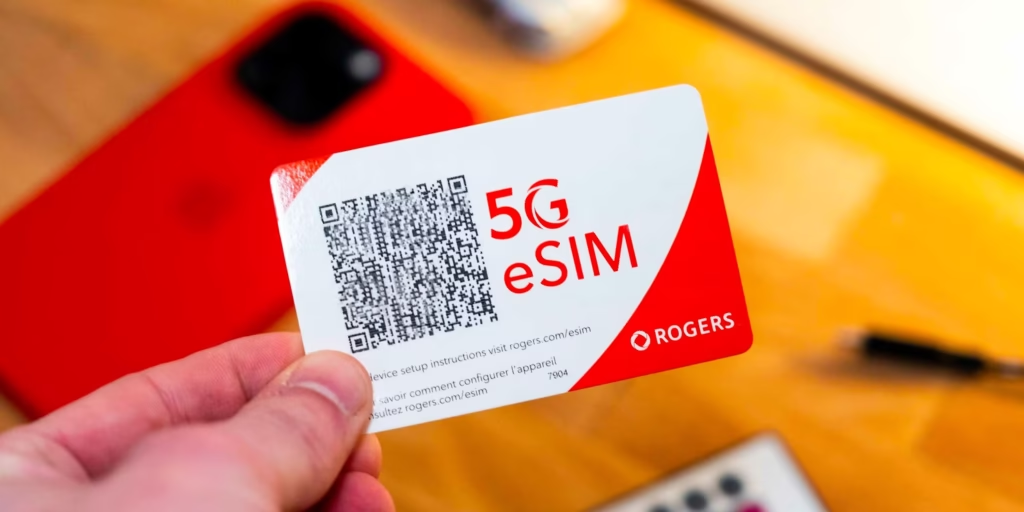
To activate an eSIM, users typically purchase a plan from an eSIM provider online. The provider sends a QR code, which the user scans using their device’s camera. This action downloads the eSIM profile and configures the device to connect to the chosen network. Once activated, the eSIM operates seamlessly, allowing access to calls, texts, and data, depending on the plan. The process is quick, often taking just a few minutes, and eliminates the hassle of physically swapping SIM cards.
Read More: Airtel eSIM – Transfer to a New Phone While Abroad
Device Compatibility with eSIMs
The adoption of eSIM technology is closely tied to device compatibility. Fortunately, many modern smartphones support eSIMs, making the technology accessible to a broad audience. Most Apple iPhones released since 2018, including models like the iPhone XR and newer, are eSIM-compatible. Similarly, Google Pixel devices and Samsung’s flagship phones launched since 2020, such as the Galaxy S20 series and later, support eSIM functionality. Beyond smartphones, devices like Apple iPads and certain smartwatches also feature eSIM support, expanding the technology’s versatility.
To confirm whether a device supports eSIMs, users can dial *#06# on their phone’s keypad. If the screen displays an Embedded Identity Document (EID) number, the device is eSIM-compatible. For those considering a new phone purchase, tools like the Cheap Mobile Finder can help identify eSIM-supported devices, ensuring compatibility with this cutting-edge technology.
The Cost-Saving Potential of eSIMs for International Travel
While eSIMs offer limited advantages for everyday use in the UK due to partial provider support, they are a boon for travelers heading outside Europe. Traditional roaming charges from UK providers can be prohibitively expensive, often reaching £15 per day for non-EU destinations. In contrast, international eSIMs provide a cost-effective alternative, allowing users to purchase data plans tailored to their travel destination without changing their UK phone number.
For example, an eSIM for the United States might cost as little as £11.11 for 10GB of data valid for 30 days, compared to a UK provider’s roaming plan that could charge £6 daily for just 500MB. Similarly, for travel to India, eSIM plans start at around £9.50 for 9GB over 15 days. These plans typically focus on data, enabling users to rely on internet-based apps like WhatsApp, Skype, or FaceTime for calls and messaging, bypassing costly roaming fees for voice and SMS.
Pricing varies widely based on the provider, destination, and data allowance. Some providers, like Holafly, offer unlimited data plans, though these come at a higher cost (e.g., £60 for 30 days in the USA). Others, such as Firsty, provide a free plan with unlimited data in over 70 countries, supported by ad-watching, making it an appealing backup option for budget-conscious travelers. However, coverage and data speeds can vary, and user feedback on these providers is limited, so thorough research is essential before purchasing.
Finding the Best eSIM for Your Travels
The growing popularity of eSIMs has led to an influx of international providers and comparison platforms, making it easier to find a plan suited to specific travel needs. Websites like SimOptions, eSimfy, eSimradar, and eSimdb allow users to compare eSIM plans based on destination, data allowance, and duration. These platforms simplify the process of selecting a provider, though their reliability and coverage may vary due to limited user feedback.
When choosing an eSIM, consider the destination, the length of your trip, and your expected data usage. For a two-week holiday, a 10GB plan for 15 or 30 days is often sufficient for most users, covering activities like browsing, navigation, and messaging. For those needing a local phone number, some eSIM providers offer plans that include voice and SMS, though these are less common and may require additional configuration.
A Real-World Experience: Martin Lewis’ eSIM Journey
Martin Lewis, founder of MoneySavingExpert, shared his firsthand experience using an eSIM during a trip outside Europe in June 2023. Opting for a 10GB eSIM plan costing £18 for 30 days, Lewis found the setup process surprisingly straightforward on his Android phone. The installation took about six minutes, and the instructions were clear, even for someone not particularly tech-savvy. Once abroad, the eSIM provided a strong 4G signal, allowing seamless internet access comparable to home. Lewis used WhatsApp for calls and messaging without issues, and the 10GB data allowance comfortably lasted his entire trip, far surpassing the restrictive 500MB daily limits of traditional roaming plans.
Upon returning to the UK, switching back to his physical SIM was a matter of seconds, highlighting the flexibility of eSIMs. While Lewis’ experience was positive, he noted that it was based on a single trip, and outcomes may vary depending on the provider and destination. Nonetheless, his story underscores the potential for eSIMs to simplify and reduce the cost of international connectivity.
eSIMs for European Travel: A Different Consideration
For short trips within Europe, eSIMs may not always be the most cost-effective option. Many UK providers offer EU roaming at minimal or no additional cost, allowing pay-monthly customers to use their UK allowances for calls, texts, and data. For example, some providers charge a nominal daily fee, while others include EU roaming free of charge. For trips lasting a week or less, sticking with a UK provider’s roaming plan is often simpler and cheaper than purchasing an eSIM. For detailed comparisons, resources like the Cheap Mobile and Data Roaming guide provide valuable insights into provider-specific policies.
Special Offers: eSIMs with Revolut
For customers of the Revolut banking app on its Ultra plan (£45/month), a unique perk is a monthly 3GB eSIM valid in over 100 countries. This data allowance, available for seven days from activation, can be topped up via the Revolut app if needed. While the Ultra plan is costly, this feature adds value for frequent travelers. However, signing up for Revolut solely for the eSIM may not be cost-effective compared to standalone eSIM providers.
Step-by-Step Guide to Using an eSIM for Roaming
Using an eSIM as a secondary SIM for international travel can seem daunting, but the process is manageable with the right steps. Here’s a simplified guide to setting up an eSIM for roaming:
Step 1: Select and Purchase an eSIM
Begin by researching eSIM providers to find a plan that matches your travel destination, duration, and data needs. After purchasing, you’ll receive instructions and a QR code to download and install the eSIM profile on your phone.
Step 2: Configure Data Roaming Settings
To ensure the eSIM functions correctly, adjust your phone’s data settings to make the eSIM the default for data. Enable data roaming for the eSIM, as it relies on partnerships with local networks to provide connectivity. Conversely, disable data roaming for your physical UK SIM to avoid unexpected charges, while keeping it active for calls and texts (check with your provider for associated costs).
Step 3: Use Internet-Based Apps Abroad
Once abroad, the eSIM should provide seamless internet access. Use apps like WhatsApp, Skype, or FaceTime for calls and messaging, linked to your UK number, to avoid roaming charges. Be cautious with traditional calls and texts, as these may incur fees depending on your UK provider’s plan.
Answering Common eSIM Questions
How Do I Install an eSIM on My Smartphone?
To install an eSIM, purchase a plan from a provider and receive a QR code. On an iPhone, go to Settings > Cellular > Add Cellular Plan and scan the QR code. On Android, navigate to Settings > Network & Internet > Mobile Network > Add Carrier and scan the code. Follow the on-screen prompts to activate the eSIM, which typically takes effect immediately.
How Do I Ensure My Phone Uses the Correct SIM Abroad?
Set the eSIM as the default data line in your phone’s settings and disable data roaming for the physical SIM. This ensures data usage is drawn from the eSIM while calls and texts can still be received on your UK number.
When Should I Install My eSIM?
You can install an eSIM before your trip, as it won’t activate until you enable it in your settings. For convenience, many users activate it at the airport before departure to ensure immediate connectivity upon arrival.
Will I Get Good Mobile Network Coverage with an eSIM?
Coverage depends on the eSIM provider’s partner networks in your destination. Reputable providers like Airalo or Nomad typically offer reliable 4G or 5G connectivity, but it’s wise to research user reviews for specific destinations.
What Happens If I Accidentally Delete My eSIM?
If you delete an eSIM, contact the provider to request a new QR code. Most providers allow reissuing, but you may need to verify your purchase. Avoid deleting an active eSIM during travel to prevent connectivity issues.
Do eSIMs Support Hotspot Functionality?
Yes, most eSIMs support hotspot functionality, allowing you to share data with other devices. Confirm with the provider, as some plans may restrict this feature.
Are There Any Downsides to eSIMs?
eSIMs require a compatible device and some technical confidence to set up. Limited UK provider support and variable coverage abroad are potential drawbacks. Additionally, not all eSIM plans include voice or SMS, which may limit their utility for some users.
UK Providers Supporting eSIMs
Several UK mobile networks now offer eSIMs, including major players like EE, O2, Three, and Vodafone, as well as smaller providers like iD Mobile, Lycamobile, and Voxi. However, not all allow direct switching to an eSIM without first issuing a physical SIM, which can negate some of the technology’s convenience. For example, EE and Giffgaff require a physical SIM before converting to an eSIM, while O2, Three, and Vodafone allow direct eSIM activation. Pay-as-you-go eSIM options are limited, with only iD Mobile, Lycamobile, Three, and Vodafone offering them.
The Benefits of eSIMs
eSIMs offer several advantages over traditional SIMs, enhancing flexibility and convenience:
Provider and Plan Flexibility: eSIMs allow users to switch providers and plans without physically swapping SIMs, though limited UK support restricts this benefit domestically.
Multiple eSIM Storage: Most devices can store up to eight eSIM profiles, ideal for frequent travelers who need plans for multiple destinations.
Dual-SIM Functionality: Compatible devices can use two active plans simultaneously (e.g., one eSIM and one physical SIM), perfect for separating personal and business lines or managing international travel.
Easy Installation: Activating an eSIM via a QR code is quick and eliminates the need for physical handling, making it user-friendly for tech-savvy individuals.
Switching to an eSIM in the UK
To switch from a physical SIM to an eSIM, confirm your device’s compatibility and check if your provider supports direct eSIM activation. Request an eSIM from your provider, who will send a QR code via email or post. Scan the code to activate the eSIM, following your phone’s prompts. The process is typically instant but may take a few hours. Ensure your contract terms remain unchanged by verifying with your provider beforehand.
Conclusion
eSIMs represent a significant leap forward in mobile connectivity, offering unparalleled flexibility for international travelers and the potential to transform domestic use as UK providers expand their support. By enabling cost-effective data plans abroad, seamless activation, and the ability to store multiple profiles, eSIMs cater to the needs of modern, connected individuals. Whether you’re planning a trip outside Europe or exploring eSIM options for future use, understanding this technology equips you to make informed decisions, saving both money and hassle on your mobile journey.
