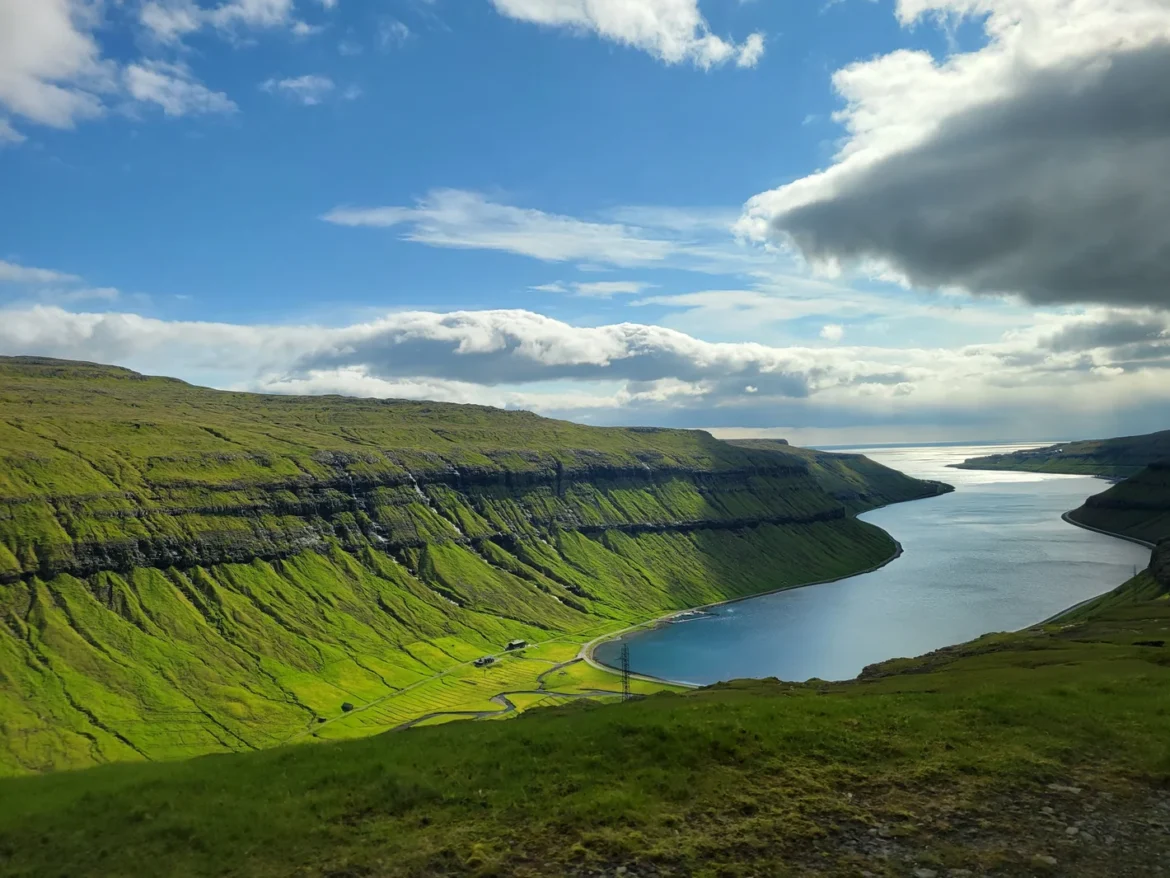
The Faroe Islands offer some of the most dramatic and pristine landscapes in the world. Nestled between Iceland and Scotland in the North Atlantic Ocean, this archipelago boasts towering cliffs, cascading waterfalls, and picturesque fjords. The natural scenery is nearly untouched, providing an extraordinary backdrop for hikers, photographers, and nature lovers alike.
Many of the islands are connected by undersea tunnels, ferries, and causeways, making them surprisingly easy to explore. Renting a car gives visitors the freedom to venture into remote villages and enjoy tranquil settings free from crowds. With low traffic and scenic drives, the Faroe Islands feel like your personal escape into nature.
Growing Popularity Among Tourists
The surge in tourism is changing the dynamic of the Faroe Islands. Over 400,000 visitors arrived in 2023 alone, mostly during the short summer season of June through August. While that number may seem small, it represents a significant increase for a destination with just 540 square miles of land.
For comparison, Iceland welcomes over 2 million tourists annually and is nearly 75 times larger. This means that even modest increases in visitors can lead to crowded conditions in the Faroes. Visiting now ensures you experience its tranquility before mass tourism becomes the norm.
Scarcity of Lodging and Accommodations
With a population of just over 50,000 residents, the Faroe Islands have limited infrastructure for hosting large numbers of tourists. Nearly half the population resides in and around the capital city of Tórshavn, where most of the accommodations are concentrated.
The town offers fewer than a dozen hotels, and while cozy guesthouses and Airbnb rentals are available, demand is quickly outpacing supply. Booking your stay in advance is essential. As tourism increases, availability will become even more restricted, especially during peak travel months.
Leveraging Points and Miles for Affordable Travel
Traveling to the Faroe Islands can be expensive, but savvy travelers can reduce costs by using points and miles.
Booking Flights with Rewards
Flying to Vágar Airport (FAE) is the most efficient way to reach the islands. Daily flights are available from Copenhagen, Oslo, and Reykjavik through Atlantic Airways, SAS, and Icelandair.
Economy-class tickets are often affordable, but prices can skyrocket for premium seats. Using frequent flyer miles from programs like Alaska Airlines Mileage Plan, American Express Membership Rewards, or Bilt Rewards can drastically reduce your airfare expenses.
Redeeming Hotel Points
Hotel options are limited but still accessible through loyalty programs. The Hilton Garden Inn Faroe Islands is bookable with Hilton Honors points, while Hotel Føroyar, part of the Ascend Hotel Collection, can be reserved using Choice Privileges points.
Credit cards offering annual hotel credits or travel reimbursements like the Chase Sapphire Reserve® or Capital One Venture X™ can also offset lodging costs. These strategies allow travelers to enjoy a unique destination without breaking the bank.
Booking Activities with Points
Adventurous activities and guided tours can be booked through platforms like Viator, which partners with rewards programs such as Chase Ultimate Rewards and Rakuten. You can also use points through Citi Travel or Chase Travel to book and pay for experiences.
Experiencing Authentic Culture and Unique Adventures
The Faroe Islands provide unforgettable experiences. Hiking trails crisscross the islands, leading to panoramic views, hidden waterfalls, and centuries-old villages like Saksun. With the ocean always in sight, every drive reveals another jaw-dropping landscape.
The locals are known for their hospitality and resilience, and many are eager to share stories about their culture, heritage, and everyday life in a remote, wind-swept paradise. From traditional Faroese food to contemporary art and music, visitors can immerse themselves in a culture that remains rooted in its past while embracing the future.
Exploring with Freedom and Ease
Driving in the Faroe Islands is one of the best ways to explore. Public transportation exists but doesn’t reach every remote destination. A rental car allows spontaneous detours and quiet moments in scenic spots away from tour groups.
Despite its rugged appearance, the infrastructure is excellent. Tunnels and causeways make island hopping simple and efficient, giving travelers access to multiple islands in just one day.
Conservation and Sustainability Awareness
The Faroe Islands have long practiced sustainable living. Local food production, renewable energy efforts, and eco-conscious tourism policies demonstrate the community’s commitment to preserving the islands.
However, the Faroese tradition of whale and dolphin hunting, which dates back to the Viking era, remains controversial. Some tourists choose not to visit for ethical reasons, while others use their presence to support anti-hunting voices and raise awareness from within.
FAQs
Where are the Faroe Islands located?
They are in the North Atlantic Ocean, roughly halfway between Iceland and Scotland.
Is traveling to the Faroe Islands expensive?
Yes. The cost of food, lodging, and transportation is generally high. However, budget-friendly options exist, especially when using points and miles.
What currency is used in the Faroe Islands?
The islands use the Danish krone (DKK) and a local version called the Faroese króna, which holds the same value.
Is the Faroe Islands worth visiting?
Absolutely. The islands offer stunning scenery, rich culture, and unique activities. However, the
unpredictable weather may require flexible plans.
Are there hotels that accept points?
Options include the Hilton Garden Inn in Tórshavn and Hotel Føroyar, part of the Ascend Hotel
Collection. Points from Hilton Honors and Choice Privileges can be used.
Conclusion
The Faroe Islands are rapidly emerging as one of Europe’s most intriguing travel destinations. With untouched natural beauty, warm and inviting locals, and a culture steeped in history, the islands offer something for every traveler.
Growing popularity and limited infrastructure suggest the time to go is now. Whether you’re looking to use points to reduce travel costs or simply want to immerse yourself in a unique and peaceful environment, the Faroe Islands promise an unforgettable experience.
Planning your visit sooner rather than later ensures a more intimate, unspoiled adventure—before the crowds change everything.
