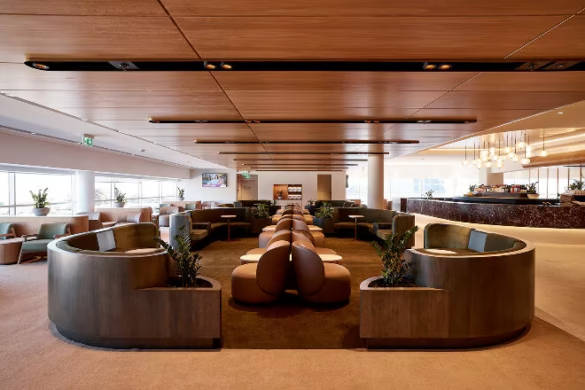
Traveling can be an exhilarating experience, but navigating the chaos of airport terminals often detracts from the excitement. Airport lounges offer a serene escape from the hustle and bustle, providing amenities such as complimentary food, beverages, and comfortable seating. Contrary to common belief, access to these havens is not exclusive to business or first-class travelers. This guide explores cost-effective strategies for accessing airport lounges, ensuring a more enjoyable travel experience without breaking the bank.
Understanding Airport Lounge Access
Dispelling the Luxury Myth
Airport lounges are frequently perceived as exclusive domains for elite travelers. While airline-operated lounges, such as those managed by British Airways or Virgin Atlantic, typically require a premium ticket or elite frequent flyer status, independent lounges operated by companies like No1 Lounges and Swissport (Aspire Lounges) are accessible to all passengers, regardless of ticket class. These lounges provide a range of amenities, including free food and drinks, comfortable seating, and often additional services like showers or device charging stations, making them an attractive option for travelers seeking comfort.
Amenities and Offerings
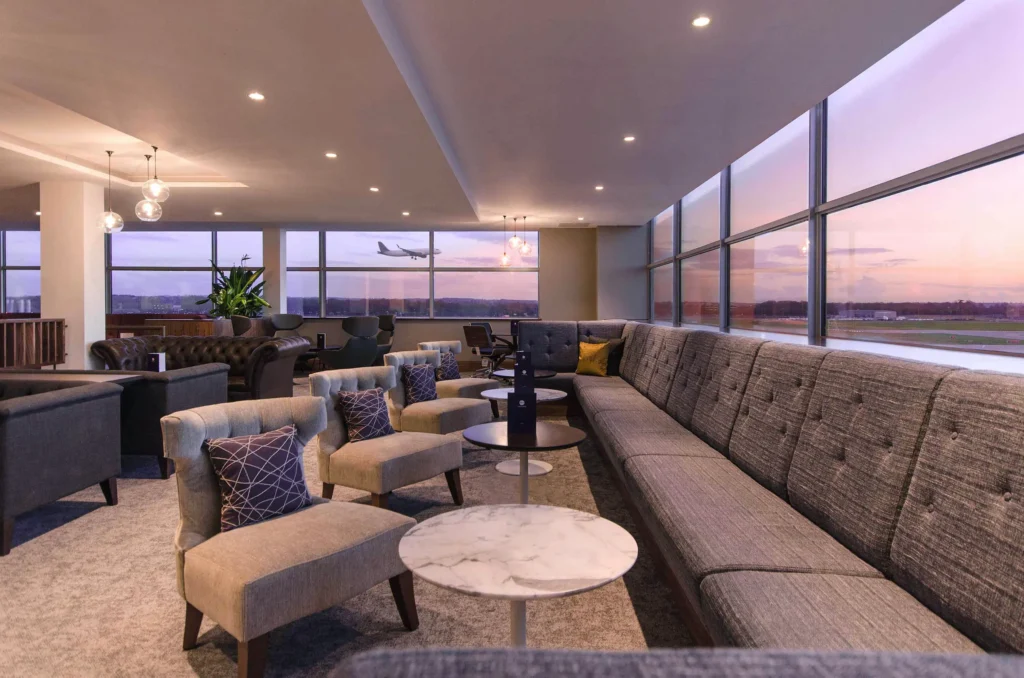
Independent airport lounges may not always match the opulence of airline-operated lounges, but they offer substantial benefits. For instance, at Gatwick Airport’s Aspire Lounge, visitors can enjoy complimentary newspapers, magazines, alcoholic beverages (such as beer and wine), and snacks like pasta, fruit, and pastries. While premium services like haircuts or massages may incur additional costs, the core offerings provide a relaxing environment away from the crowded terminal.
Evaluating the Value of Lounge Access
Cost-Benefit Analysis
Determining whether an airport lounge pass is worth the cost requires careful consideration. A lounge pass, typically starting at around £20, can be more economical than purchasing meals, drinks, and snacks in the terminal, where costs can easily exceed £20 per person. To assess value, research the specific lounge’s facilities and read reviews on platforms like TripAdvisor, Lounge Review, or SkyTrax. These resources provide insights into the quality of food, ambiance, and overall experience. For example, travelers have praised the No1 Lounge at Heathrow Terminal 3 for its value at £20, while the lounge at Malta Airport has been lauded for its compact yet well-appointed setup. Conversely, some lounges, like the Wingtips Lounge at New York’s JFK Airport, may not meet expectations unless accessed for free.
Read More:Best Credit Cards in India for Airport Spa Access
Sharing Experiences
Traveler feedback is invaluable for making informed decisions. Social media platforms and forums, such as the MoneySavingExpert airport lounge thread, allow users to share their experiences. Positive reviews, like those highlighting the Mastercard lounge at Prague Airport, can guide your choices, while negative feedback can help you avoid subpar lounges.

Exploring Airline Lounges
Premium Experiences
Airline lounges, often located at major hubs like Heathrow for British Airways or Virgin Atlantic, offer a higher level of luxury. These lounges may include exclusive amenities such as spas, manicures, or champagne, alongside complimentary food and beverages. They are typically categorized into:
- First-Class or Upper-Class Lounges: Reserved for passengers with corresponding tickets or elite frequent flyer status, these lounges provide the pinnacle of luxury.
- Business-Class Lounges: Accessible to business-class ticket holders or those with high-tier frequent flyer status, these lounges offer a comfortable yet less extravagant experience compared to first-class lounges.
Variations in Facilities
The quality of airline lounges varies by location and airline investment. For example, British Airways’ business-class lounge at San Francisco Airport includes showers, while its Dubai counterpart does not. Lounges at an airline’s primary hub are typically superior due to greater investment. If traveling from a non-hub airport, passengers may be directed to a partner airline’s lounge, which could differ in quality.
Strategies for Cost-Effective Lounge Access
Purchasing One-Off Lounge Passes
One of the simplest ways to access an airport lounge is by purchasing a one-off pass, with prices starting at approximately £20. Websites like Lounge Pass, Holiday Extras, or direct operators such as No1 Lounges and Executive Lounges by Swissport offer access to lounges worldwide. For instance, Travelzoo currently provides a global Loungekey pass for £29 per person, valid for a single visit to one of 1,200 lounges, redeemable by June 30, 2026. Discounts are also available through newsletters (e.g., 10% off via No1 Lounges or up to 15% off through Stansted Airport’s newsletter) or promotions like Aspire Lounges’ senior discount. Always compare prices across platforms, as costs vary by location, and some operators, like Swissport, offer price matching if a lounge is found cheaper elsewhere.
Considerations for Families
Many lounges welcome children, often allowing those under two to enter for free, while older children may be charged a reduced rate. However, policies differ, so confirm with the lounge before booking. Be aware that some lounges have reported overcrowding or noise, which could diminish the experience, so checking recent reviews is advisable.
Leveraging Credit Card Perks
Certain credit cards, such as the American Express Gold Card, offer complimentary lounge passes as a perk. These passes grant access to independent lounges, not airline-operated ones, and the number of passes varies periodically. No minimum spending is required to utilize this benefit, but reviewing lounge quality beforehand ensures a worthwhile experience. For detailed comparisons, refer to guides on reward credit cards that outline the benefits of Amex Gold and similar cards.
Annual Lounge Memberships
For frequent travelers, annual lounge memberships provide unlimited access to independent lounges for a yearly fee, typically ranging from £260 to £400. Popular programs include:
- Priority Pass: Access to over 1,500 lounges worldwide for £377 per year (or £419 without discounts), with guest fees at £24 per visit.
- Dragon Pass: Covers 1,300+ lounges for £379 annually, with similar guest fees.
Executive Lounges by Swissport: Offers access to 45+ lounges for £260 (Aspire and Swissport lounges) or £400 (AspirePlus), with one guest included free and additional guests charged at standard rates.
To justify the cost, travelers need to use lounges more than once a month, as individual passes start at £20. Always review lounge quality before committing to a membership.
Packaged Bank Accounts
Premium bank accounts, such as the Barclays Travel Plus Pack (£22.50/month) or NatWest Reward Black (£36/month), include lounge access as a perk. The Barclays account offers six free passes annually to over 1,000 lounges, while NatWest’s account provides unlimited Dragon Pass membership for over 1,100 lounges. These accounts also include benefits like travel insurance and breakdown cover, but their high fees make them worthwhile only if you utilize multiple perks. Eligibility for NatWest’s account requires significant income, savings, or a mortgage, so evaluate the overall value before subscribing.
Frequent Flyer Programs
Joining free frequent flyer programs, such as Virgin Atlantic’s Flying Club, can yield lounge access discounts. Members can book No1 Lounges at reduced rates (e.g., £27.50 for Heathrow Terminal 3 versus £38 direct) and earn 200–400 miles per booking. Accumulating tier points through frequent flights can also lead to elite status, granting free lounge access. This is most feasible for business travelers taking numerous flights annually, often 50 or more. Including your frequent flyer number on all bookings, including partner airlines, accelerates point accumulation.
Negotiating Access
A less conventional but potentially rewarding approach is to politely request lounge access at check-in, particularly for special occasions like honeymoons or milestone celebrations. Dressing well and using charm can increase your chances, though success is not guaranteed. This strategy works best for small groups rather than large parties. Similarly, asking for a flight upgrade or leveraging connections with airline staff may yield unexpected perks. Sharing success stories on forums can inspire others to try this approach.
Practical Tips for Maximizing Lounge Access
Research and Compare
Before purchasing a lounge pass or membership, compare prices across booking platforms and check for promotional codes. Direct bookings with lounge operators or airport websites may uncover exclusive deals. Ensure the lounge’s facilities align with your needs by consulting reviews and traveler feedback.
Plan Ahead
Booking lounge passes in advance typically saves money compared to walk-in rates, which can exceed £40 for premium lounges. Confirm availability of additional services, such as private pods at No1 Lounge Heathrow Terminal 3, which require extra payment and pre-booking.
Stay Informed
Subscribe to newsletters from lounge operators or airports for exclusive discounts. Monitor social media and forums for real-time traveler feedback to avoid overcrowded or underwhelming lounges.
Conclusion
Airport lounges transform the travel experience by offering a tranquil retreat from the chaotic terminal environment. While traditionally associated with luxury travel, cost-effective access is achievable through one-off passes, credit card perks, annual memberships, packaged bank accounts, frequent flyer programs, or even polite negotiation. By researching lounge quality, comparing prices, and leveraging discounts, travelers can enjoy premium amenities without overspending. Whether you’re savoring a complimentary meal or relaxing in a quiet space, strategic planning ensures that lounge access enhances your journey at a fraction of the cost.
