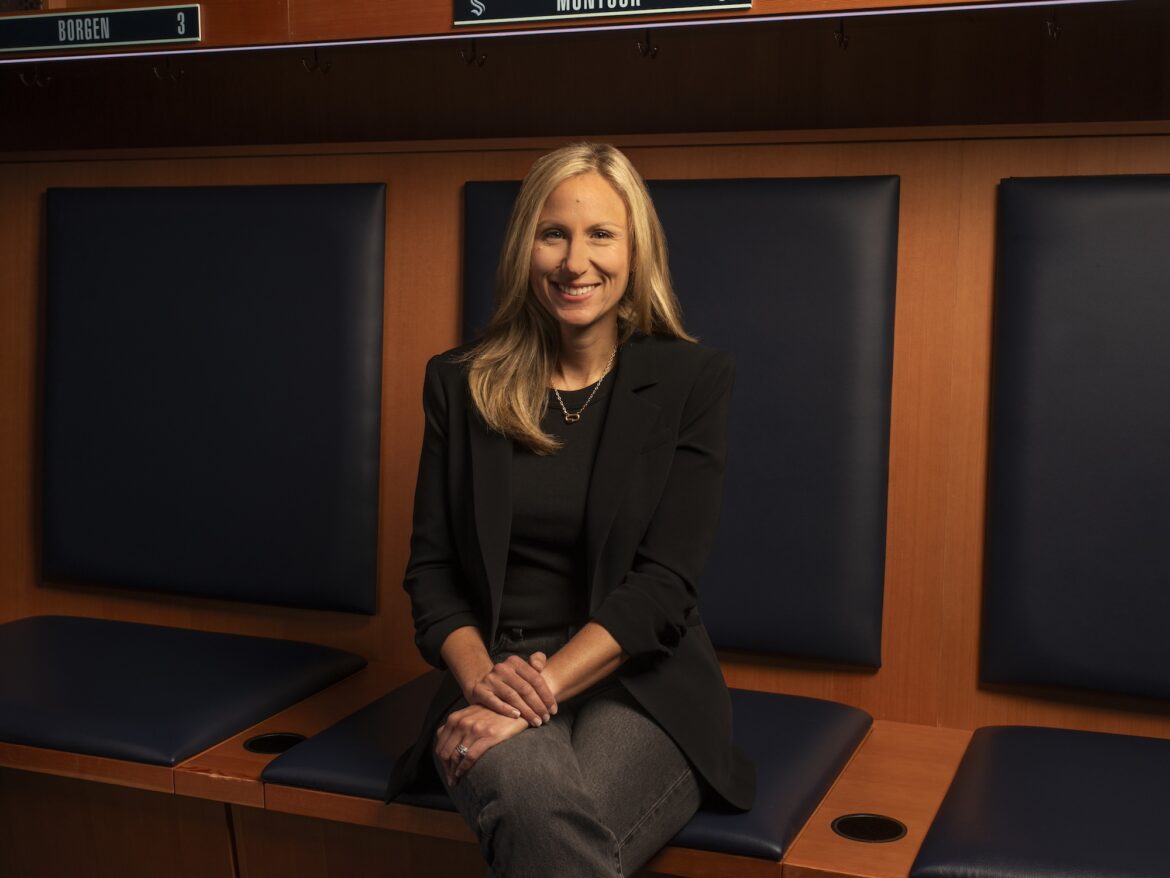
The dynamic world of professional sports, few leaders embody the intersection of innovation and tradition as clearly as Samantha Holloway. As the chair of the Seattle Kraken executive committee and co-owner of the NHL franchise, Holloway is steering one of hockey’s newest teams with the mindset of a tech entrepreneur—agile, customer-focused, and forward-thinking.
Her leadership represents a growing shift in professional sports management: one where digital transformation, data analytics, and fan engagement go hand-in-hand with on-ice performance. Holloway’s unique path to the NHL began far from the rink, but her business instincts are proving to be a natural fit for an emerging hockey powerhouse.
From Startup Life to the NHL Boardroom
Samantha Holloway didn’t begin her professional journey in sports, but her winding path through entrepreneurship laid the foundation for her current role. She earned a graduate degree in forensic psychology before shifting into business, opening a high-end women’s boutique in Denver. However, it was her foray into tech startups that would define the next decade of her career.
Holloway joined the Techstars Boulder accelerator program with an idea centered around renting maternity clothing. That concept quickly evolved after investor feedback and customer insights pushed her team toward a new direction—eventually launching GoSpotCheck, a B2B software company that helped major brands audit in-store product placements. The company would go on to work with clients in beverage, retail, and consumer goods industries before being acquired by Form.com in 2020.
“It was a huge learning experience,” Holloway recalled. As the startup’s chief customer officer, she gained deep experience in user feedback loops, product iteration, and operational efficiency—all skills she now applies to leading a professional hockey franchise.
Leadership Rooted in Customer Experience
Holloway’s startup roots are most visible in how she views fans: not just as spectators, but as core customers. Her approach is guided by customer feedback, user satisfaction, and iteration—principles she honed in the software world but which apply equally well to season ticket holders and game-day attendees.
“If your customer isn’t liking your product, there’s going to be churn and it’s going to be hard to grow,” she said. “So for us, it’s really important to listen to the fan.”
Fan feedback is constantly gathered through surveys, social media, and even spontaneous elevator conversations during games. Holloway sees each interaction as an opportunity to refine the Kraken experience—from in-arena technology to merchandising and food options.
Agile Operations and a Fast-Moving Front Office
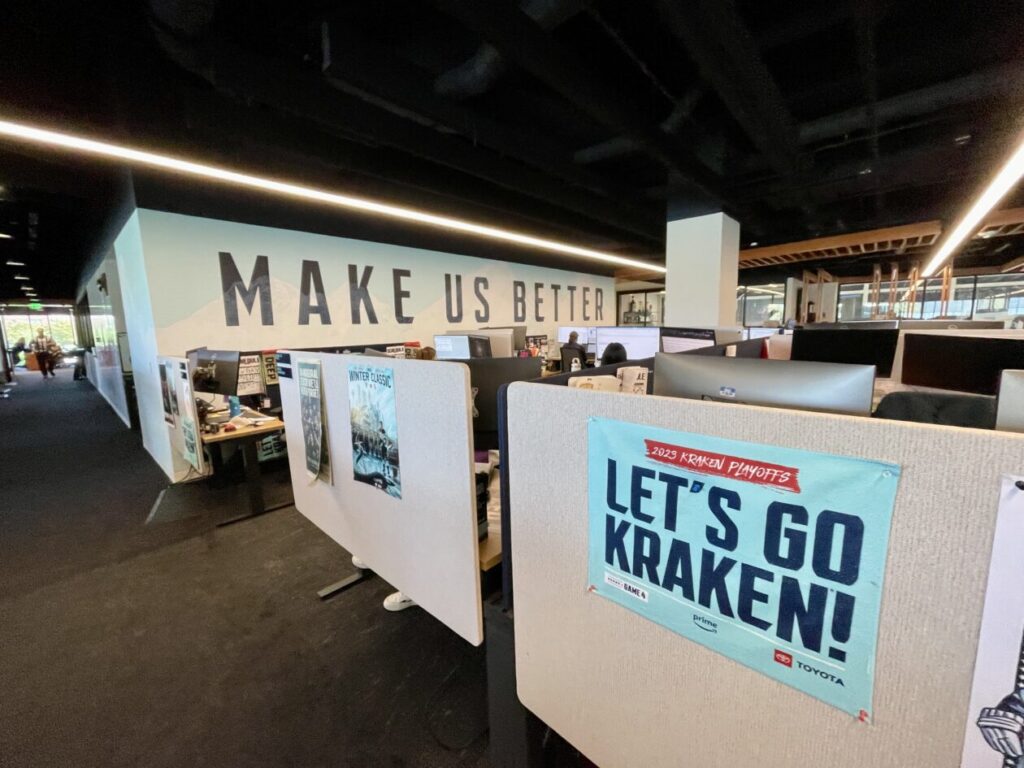
Startup world, speed and adaptability are critical. Holloway brings that same ethos to the Kraken’s front office, where decisions are made quickly and implemented without unnecessary red tape.
“That’s not being reactive,” she clarified. “That’s just being able to move quickly without a lot of bureaucracy. It’s similar to a startup. We test, we iterate, and we move forward.”
This operational agility allows the Kraken to stay ahead of fan expectations, embrace innovation, and adapt quickly—whether it’s implementing new technologies in Climate Pledge Arena or launching new digital fan experiences.
Embedding Technology Into the Franchise DNA
Technology isn’t an afterthought—it’s a core part of the Kraken’s identity. The franchise, which debuted in 2021, was built with a modern infrastructure and a tech-first philosophy. From its mobile app to arena operations, the Kraken have positioned themselves as one of the most technologically forward teams in the NHL.
“This is a sports team,” Holloway said, “but it’s really enabled by technology.”
The Kraken app, for example, doubles as a digital ticket and free public transit pass. Retail transactions at the arena are powered by Amazon’s Just Walk Out technology. And fans enjoy one of the most digitally immersive in-game experiences in professional sports.
The team’s tech-driven mindset has been reinforced by strategic partnerships, particularly with Amazon. CEO Andy Jassy, a minority owner of the Kraken, played a pivotal role in building the app and shaping the franchise’s digital vision.
“Andy is extremely smart and empathetic,” said Holloway. “And he loves hockey, which helps a lot.”
The Climate Pledge Arena Sets a New Environmental Standard

The Kraken’s home ice, Climate Pledge Arena, reflects the organization’s commitment to innovation and sustainability. Redeveloped with support from Amazon, the arena is the first net-zero carbon certified arena in the world. It features a living wall, solar panels, and rainwater harvesting systems used to resurface the ice.
Holloway sees the arena as a natural extension of the Kraken’s values: sustainability, community, and innovation. “We’re creating an experience that’s more than a game—it’s a statement about where sports are headed,” she said.
Amazon’s involvement was instrumental in realizing that vision. The venue’s tech capabilities and environmental features serve as a model for future sports arenas around the world.
Building a Culture of Access and Inclusivity
One of Holloway’s long-term goals is making hockey more inclusive and accessible. That starts at the grassroots level, just outside her office window at the Kraken Community Iceplex, where local children are learning to skate and play.
Helping build a more diverse fanbase is central to her mission. Whether it’s introducing hockey to first-time fans or lowering barriers for youth participation, Holloway views the Kraken as a platform for cultural and generational change.
“We’re trying to grow the game for people who’ve never experienced it,” she said. “That’s just as important as winning games.”
Vision for Growth and the Future of Seattle Sports
Holloway and the Kraken leadership have their sights set on a Stanley Cup, they’re also thinking bigger. The Kraken ownership group is expected to lead Seattle’s bid for an NBA expansion franchise, bringing professional basketball back to the city for the first time since the Sonics relocated in 2008.
Their ability to build a successful expansion team from scratch, launch a world-class arena, and maintain high attendance numbers gives the Kraken group credibility in leading such an effort.
“For now, we’re focused on building something great,” Holloway said. “And just like in startups, if you build something great, the outcomes will follow.”
FAQs
What is Samantha Holloway’s role with the Seattle Kraken?
She serves as chair of the Kraken’s executive committee and co-owner of the franchise. She helps oversee team operations, strategic initiatives, fan engagement, and community outreach.
How does her startup background influence her work with the Kraken?
Her experience in tech startups helps her lead the Kraken with a focus on customer experience, agile decision-making, technology integration, and iterative improvement.
What is the Kraken Community Iceplex?
It is the Kraken’s training facility and community hub located in Northgate, Seattle. It houses team offices and hosts youth hockey programs and public skating events.
How is Amazon involved with the Kraken?
Amazon CEO Andy Jassy is a minority owner. Amazon contributed to the development of Climate Pledge Arena and provides technologies like Just Walk Out retail and the Kraken’s mobile app infrastructure.
What is the long-term vision for the Kraken ownership group?
In addition to winning a Stanley Cup, the group is rumored to be pursuing an NBA expansion team in Seattle and is focused on growing the sport and its fanbase regionally and nationally.
Conclusion
Samantha Holloway represents a new kind of sports executive—one equally comfortable in boardrooms and arenas, and who brings the lean, responsive ethos of a startup into the high-stakes world of professional hockey. Her vision for the Seattle Kraken extends beyond championships. It’s about redefining how a modern sports franchise operates, engages fans, and leaves a lasting legacy.
Through technology, community engagement, and business acumen, Holloway is shaping not only the future of Seattle hockey but perhaps the future of sports leadership as a whole.
